Foam roofs are one of the most durable and energy-efficient roofing systems used throughout Phoenix, Scottsdale, Tempe, and the East Valley. They offer outstanding insulation, seamless waterproofing, and excellent longevity when cared for properly. Yet even the best foam roofing systems need periodic inspections and repairs, especially after enduring a year of intense Arizona heat, monsoon storms, dust, and UV exposure.
Homeowners often miss early warning signs because foam roofs can look deceptively simple from a distance. A small crack or worn coating patch may seem minor, but it can quickly become a leak or structural issue if ignored. That is why routine foam roof inspections are essential and why identifying early symptoms of damage can save thousands in future repairs.
This 2026 checklist breaks down the top five signs your foam roof needs repair in Phoenix, along with what these issues mean and what to do next.
1. Visible Cracks, Holes, or Depressions in the Foam Surface
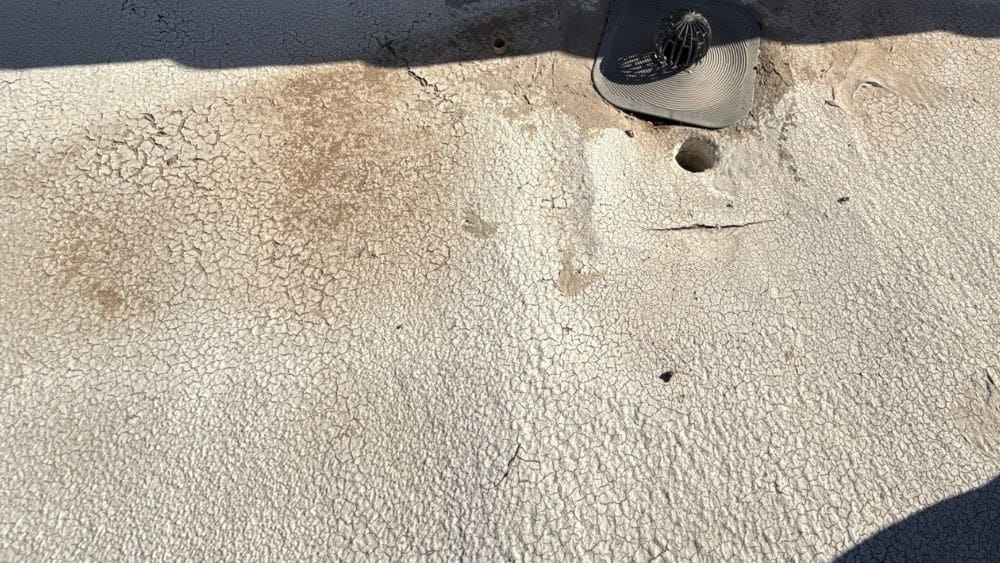
Foam roofs are designed to be seamless, but over time, exposure to UV rays, temperature swings, and storm debris can weaken the surface. One of the earliest and most important signs your foam roof needs repairs is:
- Small cracks
- Pinhole openings
- Surface gouges
- Depressions caused by foot traffic
- Weathered or rough texture in isolated areas
These imperfections matter because once the foam is exposed to sun and moisture, it begins to degrade rapidly. Even a pinhole can allow water to seep in and expand beneath the coating. During monsoon season, this can transform into visible bubbling, leaks, or internal ceiling stains.
If you see cracks or surface irregularities, it is time to schedule a foam roof repair that Phoenix homeowners can rely on. Prompt patching and recoating minimize damage and restore the surface to its watertight condition.

2. Ponding Water After Rain or Irrigation Runoff
Foam roofs are designed with a slight slope to ensure proper drainage, even though they appear flat. If you notice standing water that persists longer than 48 hours, this is a clear sign that something is wrong.
Common causes include:
- Drain blockages from leaves or debris
- Low spots created by aged foam
- Improper drainage slope
- Saturated areas where coating has worn thin
- Scupper or gutter restrictions
Ponding water poses serious risks. Stagnant water breaks down protective coatings, increases the chance of leaks, and stresses the underlying structure of the roof.
Homeowners in Phoenix, Tempe, or Scottsdale should schedule a foam roof inspection if they observe pooling water during winter rains or after irrigation overspray. Correcting drainage problems early can extend the life of the foam system and prevent costly structural damage.
Learn When to Inspect Your Foam Roof
3. Coating Wear, Peeling, or UV Damage
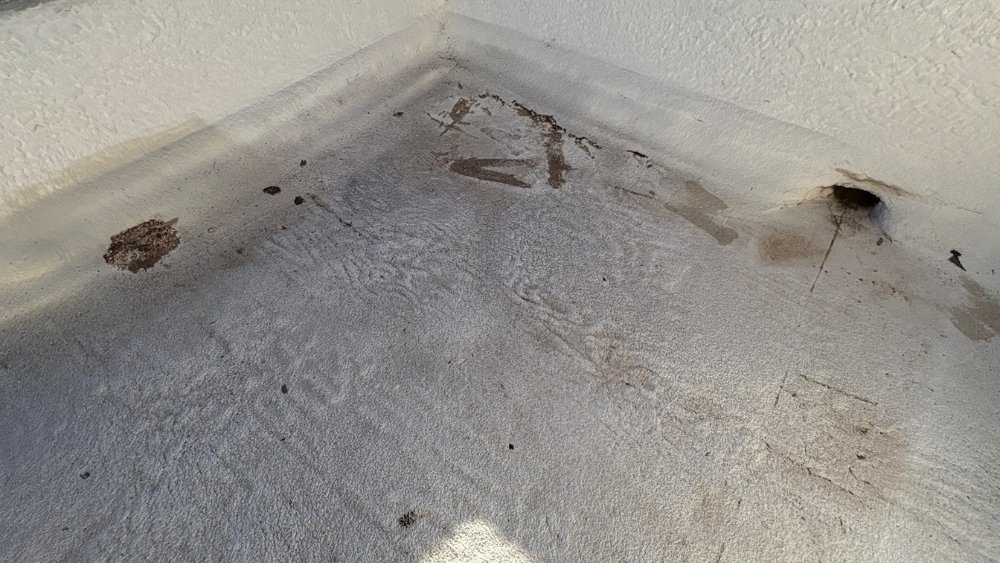
The protective coating on your foam roof shields it from Arizona’s extreme UV radiation. Although foam itself provides insulation, the coating is what keeps it sealed, waterproof, and resistant to heat.
Over time, coating wear becomes one of the clearest signs your foam roof needs repair. Look for:
- Chalky or powdery surface
- Areas where coating looks thin or faded
- Uneven coloration
- Bare yellow foam showing through
- Peeling, flaking, or blistering coating
If coating wear is visible, repairs are needed. Exposed foam deteriorates quickly and can lead to cracking, water intrusion, or structural weakening.
Phoenix homes receive some of the most intense sun exposure in the country, so coating renewal is essential every 5 to 10 years, depending on conditions. RENCO’s resources, such as 5 Benefits of Foam Roofing in Arizona and 8 Reasons to Choose a Foam Roof explain how coatings affect lifespan and energy efficiency.
4. Interior Warning Signs: Stains, Odors, or Moisture
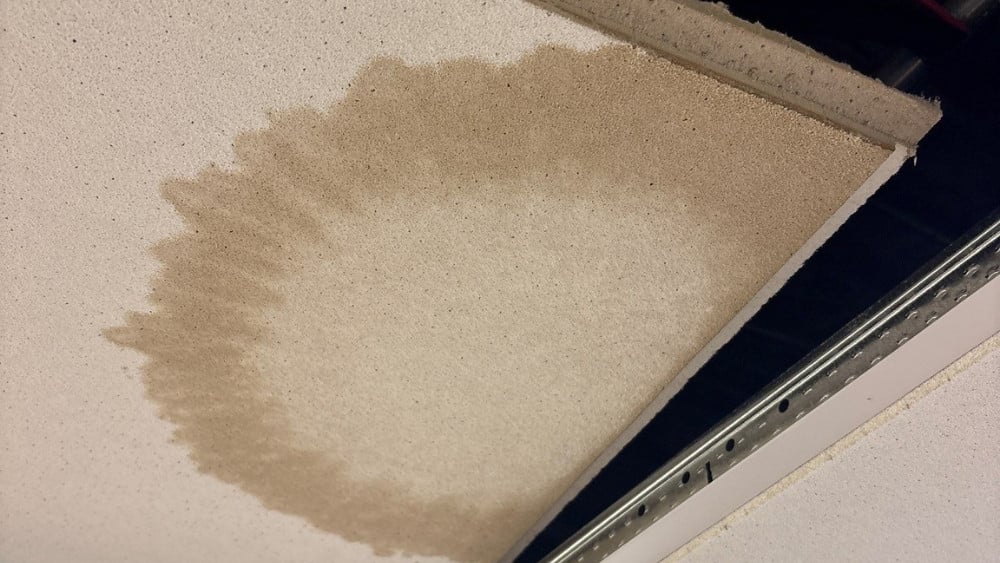
Even if your foam roof looks normal from the outside, interior warning signs often reveal hidden leaks or underlying issues. Look for:
- Brown ceiling spots
- Bubbling paint
- Peeling drywall tape
- Musty or mold-like odors
- Damp attic framing
- Dripping or sweating HVAC equipment near roof penetrations
Because foam roofs are seamless, leaks usually originate from damage in coating or foam transitions, not traditional seams or shingles. If any interior symptoms appear, it means moisture has already entered the roofing system.
Moisture under foam expands during heat and can cause blistering, mold, or interior structural damage. Taking action at the first sign of interior staining is essential to prevent escalating repairs.
In many cases, the solution is straightforward, such as patching foam, recoating a section, improving drainage, or resealing penetrations. The sooner the issue is inspected, the faster and more affordable the repair will be.
Schedule Your Foam Roof Inspection
5. Damaged or Deteriorating Flashings and Penetrations
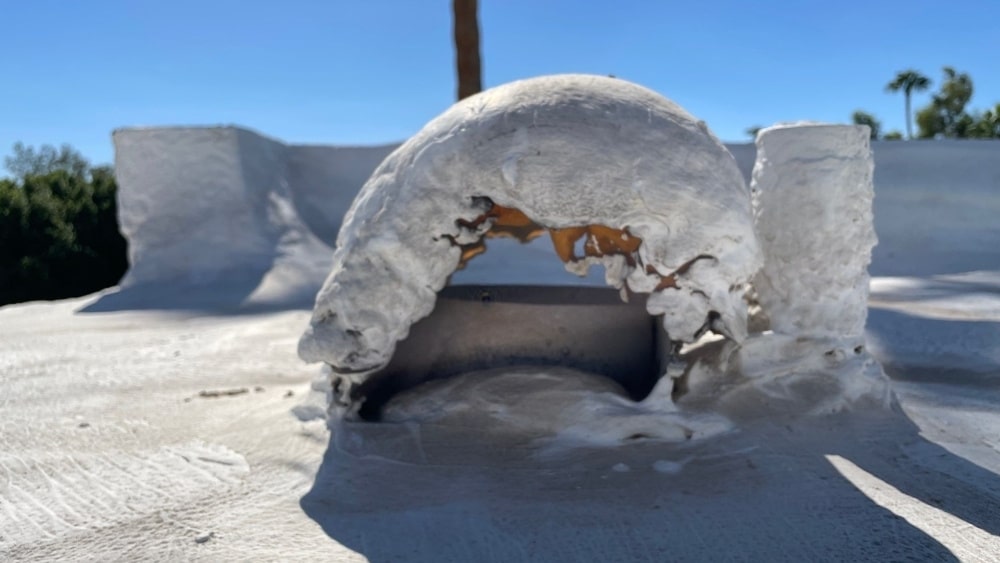
While foam roofs offer a monolithic, seamless surface, every roof has penetrations such as:
- HVAC units
- Vents
- Skylights
- Satellite dishes
- Exhaust stacks
These areas are reinforced with foam and coating, but the transitions between roof and penetration are common leak points.
Signs of penetration damage include:
- Cracked foam around bases
- Separated sealant
- Exposed metal or fasteners
- Water staining around curbs
- Rust or corrosion
- Deterioration where coating meets mechanical units
Because these penetrations expand and contract differently from the foam around them, January and February often reveal gaps formed during winter temperature shifts.
If you notice flashing or penetration issues, a certified Phoenix foam roofing company can reseal, patch, or rebuild the affected areas to restore a watertight seal.
More information about Foam Roofing in Phoenix
Why Ignoring These Signs Leads to Bigger Problems
Foam roofs do not fail suddenly. They provide clear warning signs long before major leaks develop. However, ignoring small issues can create bigger and more costly problems, such as:
- Widespread coating failure
- Waterlogged foam
- Mold inside roofing layers
- Major structural repairs
- Significantly reduced insulation performance
- Higher summer cooling costs
- Full roof replacement years earlier than expected
A foam roof that receives timely repairs and appropriate recoating can last two or three decades. Neglecting repairs can cut that lifespan in half.
How Often Should Phoenix Homeowners Repair or Inspect Their Foam Roof?
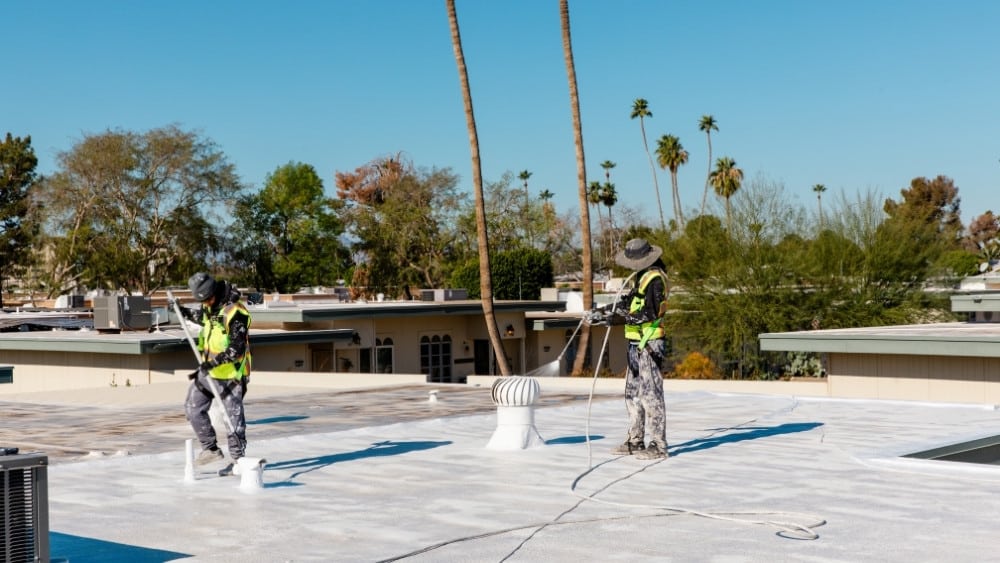
Most foam roofs should be professionally inspected:
- Every year for roofs older than 5 years
- Every 2 years for newer installations
- After monsoon season
- After hail or wind events
- Before renewing coatings
Routine inspections identify early signs of wear long before they become widespread issues.
RENCO Roofing’s Caring for Your Foam Roof guide provides easy seasonal maintenance tips for homeowners looking to extend their system’s lifespan.
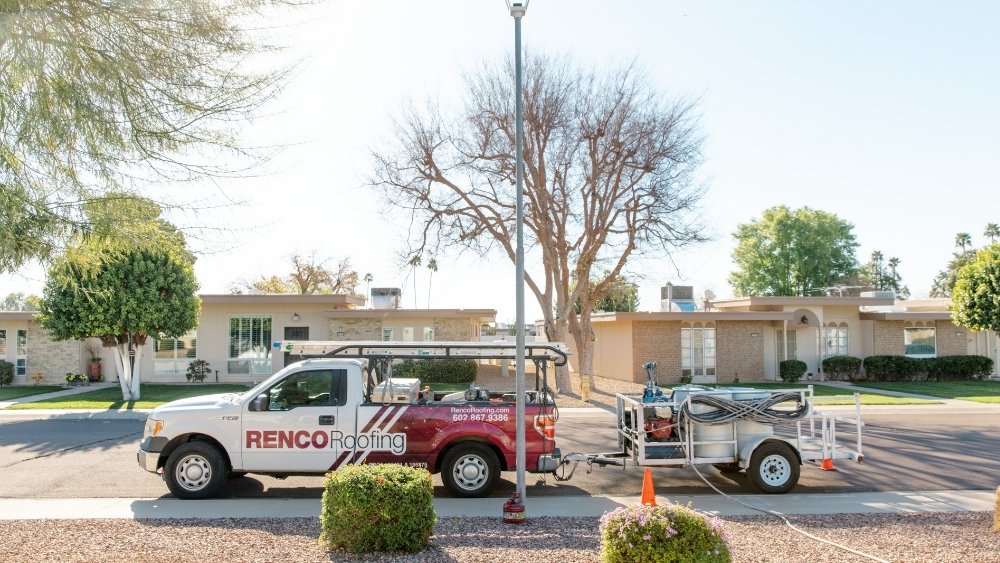
Schedule your foam roof inspection today!
Foam roofs require regular attention to perform at their best. By using this 2026 checklist, Phoenix homeowners like you can identify early warning signs such as cracks, ponding water, coating wear, interior stains, and penetration damage. These symptoms often indicate the need for foam roof repair and should not be ignored.
If you notice any of these issues or if your foam roof has not been inspected in the past year, now is the perfect time to take action. Getting ahead of the heat and monsoon season will help protect your home, reduce repair costs, and extend the life of your roofing system.
👉 Ready to schedule your foam roof repair or inspection? Contact our trusted experts at RENCO Roofing today!