Tile roofs are one of the most recognizable features of homes across Phoenix, Scottsdale, Tempe, and surrounding Arizona communities. They offer beautiful architectural style, excellent heat resistance, and a long lifespan when properly maintained.
But contrary to common belief, tile roofs are not maintenance-free. In fact, the tiles themselves are not the waterproofing layer. The underlayment beneath the tiles is what protects your home from leaks.
This is why even small tile issues can eventually lead to major water damage, mold growth, and costly repairs if they are ignored. A tile roof can last decades, but only when homeowners respond quickly to warning signs and take action before monsoon moisture or desert heat makes the problem worse.
In this guide, we break down the three tile roof repairs Phoenix homeowners should never ignore and explain why taking early action is essential for long-term roof performance.
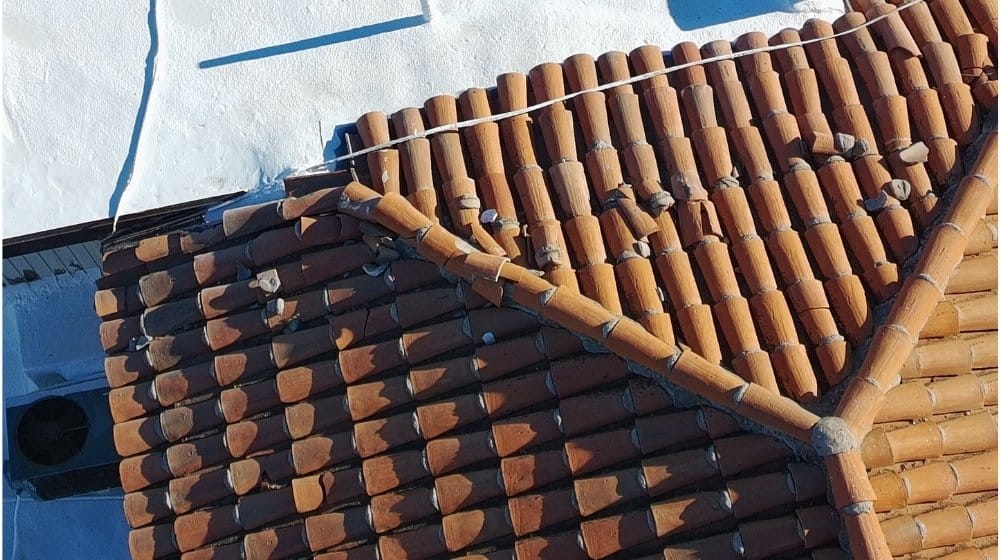
1. Cracked, Broken, or Slipped Tiles
Perhaps the most common and most overlooked tile roof problem is cracked or displaced tiles. Many Phoenix homeowners do not realize that a single cracked tile can compromise the underlayment underneath and lead to leaks during heavy rain.
Why cracked tiles matter
Unlike shingles, tile roofs rely entirely on underlayment for waterproofing. Tiles serve as the protective shield that blocks UV rays, reduces heat transfer, protects the underlayment from wind and debris, and prevents direct water exposure.
When a tile cracks or slips out of position, the underlayment becomes exposed to harsh sunlight, UV damage accelerates deterioration, water can infiltrate under the tiles, wind uplift risk increases, and interior leaks become more likely during storms.
Cracks often occur due to foot traffic, fallen branches, thermal expansion, or impact from objects like sports balls or maintenance equipment.
Why January through early spring is the best time to repair tiles
During cooler months, roofing professionals can safely walk on tile without increasing the risk of breakage. Tile becomes more brittle in extreme cold and more fragile in extreme heat. Winter and early spring offer ideal temperatures to replace cracked tiles and resecure slipping ones.
If you notice broken tiles, uneven sections, or areas where the tile alignment looks off, schedule a tile roof repair Phoenix homeowners trust. This simple repair often prevents much larger issues.
Explore our Tile Roofing Services
2. Failing or Aged Underlayment
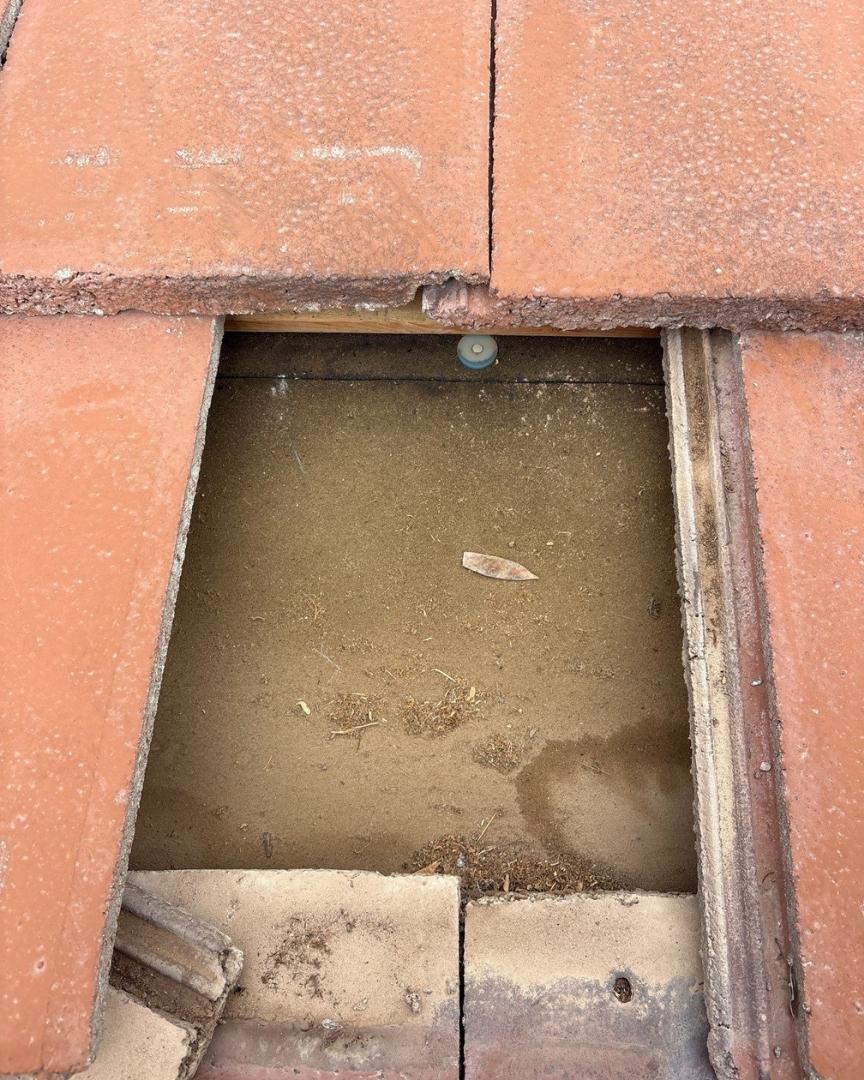
Underlayment is the true waterproofing system beneath clay or concrete tiles. In Phoenix’s desert climate, underlayment typically lasts 15 to 20 years for older felt systems and 25 to 30 years for modern synthetic systems.
Once the underlayment begins to age, loosen, or deteriorate, your roof becomes vulnerable even if the tiles themselves appear perfect.
Signs your underlayment needs repair or replacement
Warning signs include tiles slipping out of place, exposed underlayment at roof edges, visible tears or wrinkles, water stains on ceilings, rust at nail penetration points, soft or sagging roof decking, and granule buildup in gutters or valleys.
Aging underlayment is one of the most serious tile roof concerns and one of the most commonly ignored. Because it is not visible from the ground, homeowners often assume the roof is healthy until leaks develop.
Why underlayment issues must be fixed quickly
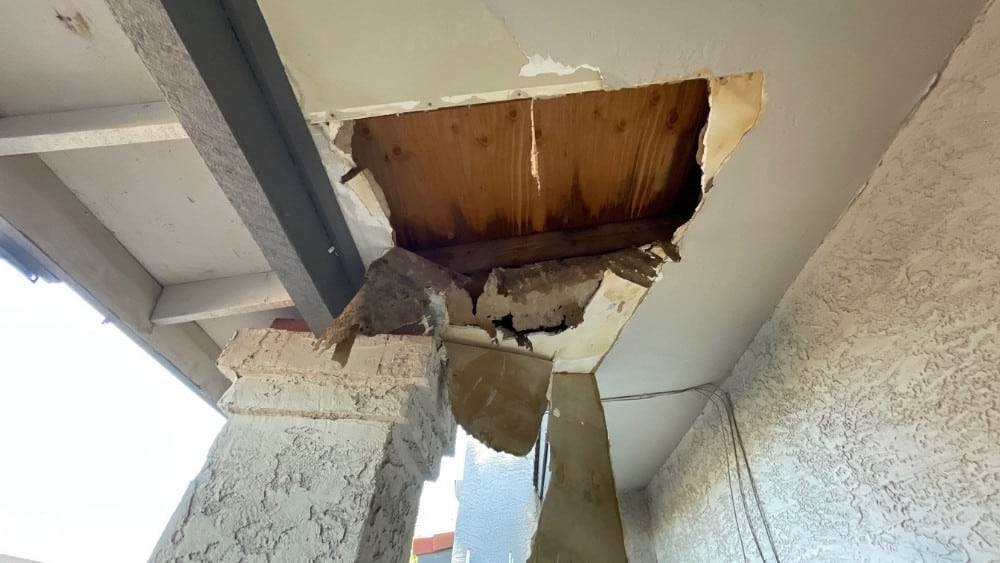
Once the underlayment fails, moisture can enter the home during even mild storms. This can lead to mold growth, damaged insulation, deteriorating roof decking, costly interior repairs, and structural weakening.
Phoenix’s intense UV exposure and extreme thermal cycling accelerate underlayment deterioration. Annual or biannual inspections help catch problems early and allow time for repairs before monsoon season begins.
If underlayment replacement is recommended, this work should never be delayed. Tile roofs with failing underlayment will absolutely develop leaks.
Schedule Your Inspection At No Cost
3. Damaged Flashing and Roof Penetrations
Tile roofs rely on flashing around chimneys, skylights, solar supports, roof-to-wall intersections, vent pipes, satellite mounts, and valleys. Flashing directs water away from vulnerable transition areas.
Over time, flashing can loosen, corrode, or separate, allowing water to slip beneath tiles unnoticed.
Common flashing problems on Phoenix tile roofs
These issues include lifted or rusted metal, loose mortar around chimneys, improper sealing at transitions, gaps where tile meets flashing, water stains below eaves, and cracked tiles around penetration points.
Why you should never ignore flashing issues
Even small flashing failures can escalate into ceiling stains, wall discoloration, mold growth, underlayment rot, decking deterioration, and costly interior restoration.
Phoenix monsoon storms bring wind-driven rain capable of forcing moisture into the smallest gaps. Early flashing repairs prevent major damage.
Bonus: Why Early Tile Roof Repairs Pay Off in Phoenix
Tile roofs are long-lasting, but only when maintained. Delaying repairs can lead to widespread underlayment damage, roof deck repairs, mold remediation, higher insurance costs, and shortened roof lifespan.
Early repairs result in lower costs, increased home value, better weather resistance, improved energy efficiency, longer roof life, and peace of mind before monsoon season.
Routine inspections every two to three years are the key to keeping tile roofs in top condition.
Schedule Your Tile Roof Repair Now
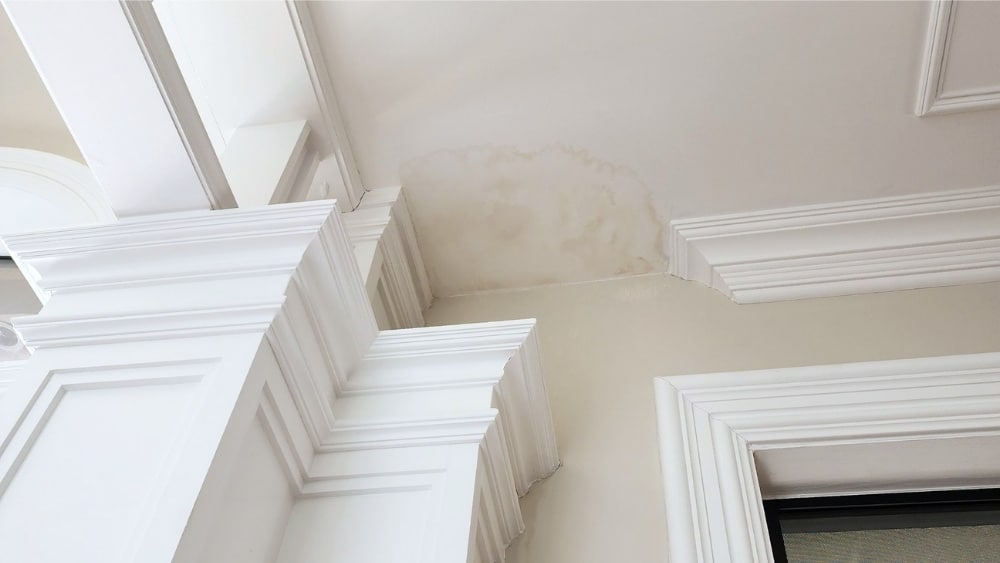
Do you see any of these warning signs in your tile roof?
Phoenix tile roofs are durable and timeless, but they require routine care and fast action. Cracked tiles, failing underlayment, and damaged flashing should never be ignored.
If your roof is over 15 years old, shows broken tiles, exposed underlayment, or signs of water intrusion, now is the time to act.
👉 Need a trusted expert to inspect or repair your tile roof? Schedule your tile roof repair or inspection today – at no cost.