Jeff Nickerson, Technical Roofing Consultant
Last Updated: July 2026
The Quick Answer
Most roof replacements in Phoenix take 2 to 10 days, depending on the roof system, size of the home, roof complexity, weather, hidden damage, and material availability.
A typical shingle roof may take about 2 to 3 days. A foam roof on a standard-size home may often be removed, replaced, and finished in about 2 days, depending on prep and coating requirements. A tile roof where the existing tile is being saved and reset often takes 3 to 7 days because the crew has to remove the tile, replace the underlayment, inspect the deck, and reinstall the tile carefully.
These are general ranges, not guarantees.
The biggest causes of delay are weather, hidden roof damage, wood replacement, pests, material logistics, roof complexity, and unexpected safety issues.
The goal is not to finish as fast as possible. The goal is to protect the home, install the roof correctly, and communicate clearly if the timeline changes.
Why Homeowners Ask How Long Roof Replacement Takes
Most homeowners ask about the timeline because they are trying to plan around disruption.
A roof replacement affects daily life. If you work from home, you may need to know whether you can take calls during the project or whether you should work somewhere else for a few days. Roofing is loud. There will be tearing, banging, scraping, material movement, crew activity, and equipment noise.
You may also need to move cars, secure pets, protect items in the attic, tell your neighbors, or plan around limited access to the driveway or side yard.
A roof replacement is usually a short-term project, but it is not quiet or invisible while it is happening. A realistic timeline helps you understand what to expect before the work begins.
Most Roof Replacements Take a Few Days, But the Roof Type Matters
A typical roof replacement in Phoenix usually falls into these ranges:
| Roof Type | Typical Timeline |
| Shingle roof | About 2 to 3 days |
| Foam roof | About 2 days for many standard-size homes |
| Tile roof with existing tile saved and reset | About 3 to 7 days |
| More complex roofs | Up to 10 days or more in some cases |
These ranges can change depending on the size, access, roof condition, weather, and what is discovered once the old roofing materials are removed.
Two homes can look similar from the street but take very different amounts of time. One roof may have easy access, a simple layout, and solid decking. Another may have multiple levels, old repairs, skylights, AC units, solar equipment, cracked tile, discontinued tile, or hidden wood damage.
That is why a roof replacement timeline should be treated as an informed estimate, not an exact promise.
Why Roofing Timelines Are Ranges
A contractor can usually give you a realistic expected timeline before the job starts. But the timeline can change once the roof is opened.
This is especially true when the old roof covering is removed and the roof deck becomes visible. Problems that were hidden under tile, shingles, foam, or underlayment may need to be corrected before the new roof can be installed properly.
Those discoveries can add time, but ignoring them would be worse.
If damaged decking, dry rot, poor previous repairs, thin plywood, or structural concerns are found, the responsible step is to address the issue before covering it with a new roof system.
A faster job is not better if the crew rushes past problems that affect the long-term performance of the roof.
What Happens During a Roof Replacement?
The exact process depends on the roof system, but most residential roof replacements follow a similar sequence.
The Old Roofing Materials Are Removed
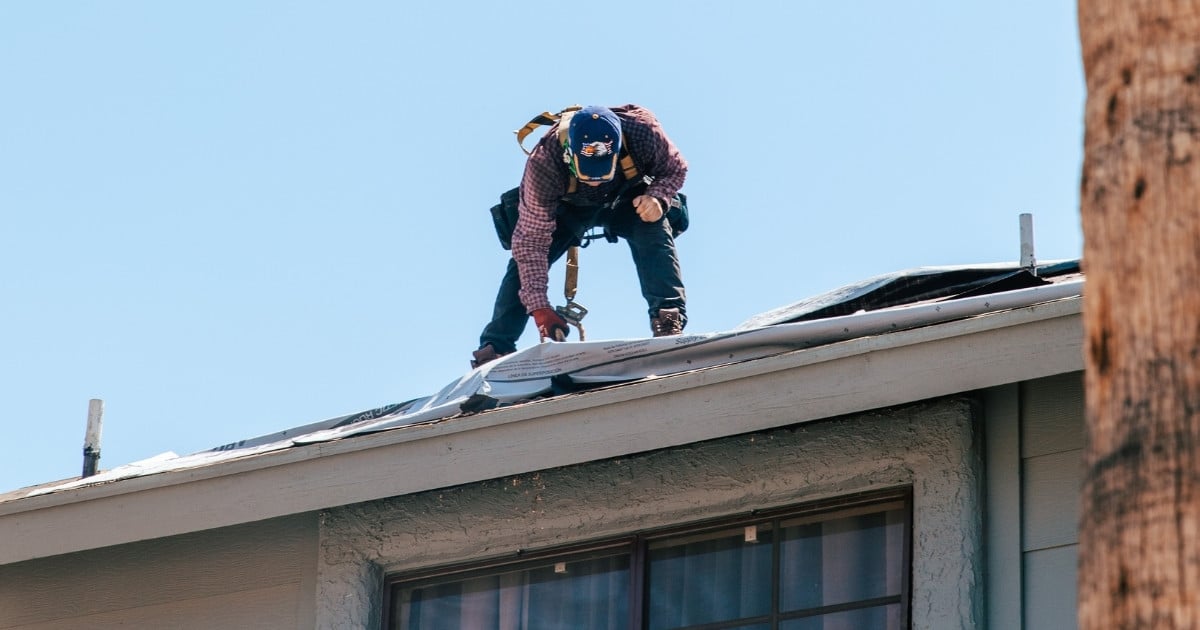
The project usually begins with removing the existing roofing materials. This may include shingles, tile, underlayment, foam coating, old flat-roof materials, flashings, vents, or other components depending on the roof type.
This is often the loudest and messiest phase of the project. You may hear tearing, scraping, hammering, equipment, and crew activity throughout the day.
During this stage, the crew also works to protect the home and property as much as possible. That may include protecting landscaping, driveways, pools, walkways, and areas where debris could fall.
The Roof Deck Is Inspected
Once the old materials are removed, the crew can see the roof deck and identify issues that were not visible before.
They may find damaged wood, soft decking, dry rot, previous repair problems, thin plywood, or areas where water has been entering the roof system. This step matters because the new roof needs a sound surface beneath it.
Sometimes the problem is small. A crew may find one weak area of plywood that can be cut out and replaced during the project. That kind of repair is fairly common and may not change the timeline much.
Other times, the damage is more serious. If large sections of plywood are bad, or if the original decking is too thin or weak to roof over properly, the project may need to stop while the contractor discusses the situation with the homeowner.
In rare cases, structural issues such as a cracked truss may be discovered. That is a much bigger issue than a small piece of damaged decking and can change the scope significantly.
If damaged decking is found, the contractor should explain what was discovered, show photos when possible, and explain how it affects the project, the price, and the schedule.
The Roof Is “Dried In”
After tear-off and deck inspection, the next priority is protecting the home.
The dry-in stage means installing underlayment, a base layer, or other waterproofing components that help protect the roof before the finished material is installed. Critical areas such as valleys, edges, walls, vents, penetrations, and transitions should receive careful attention.
If the project has to pause because of hidden damage or a material issue, the contractor may temporarily dry in the roof to protect the home while the next step is worked out.
This matters because once old roofing materials are removed, the attic space or roof deck may be exposed if the roof is not properly protected.
The New Roof System Is Installed
This is where the project timeline varies the most.
For a shingle roof, installation may move quickly once the deck is prepared and the underlayment is installed. In Phoenix, many standard shingle roofs may take about 2 to 3 days.
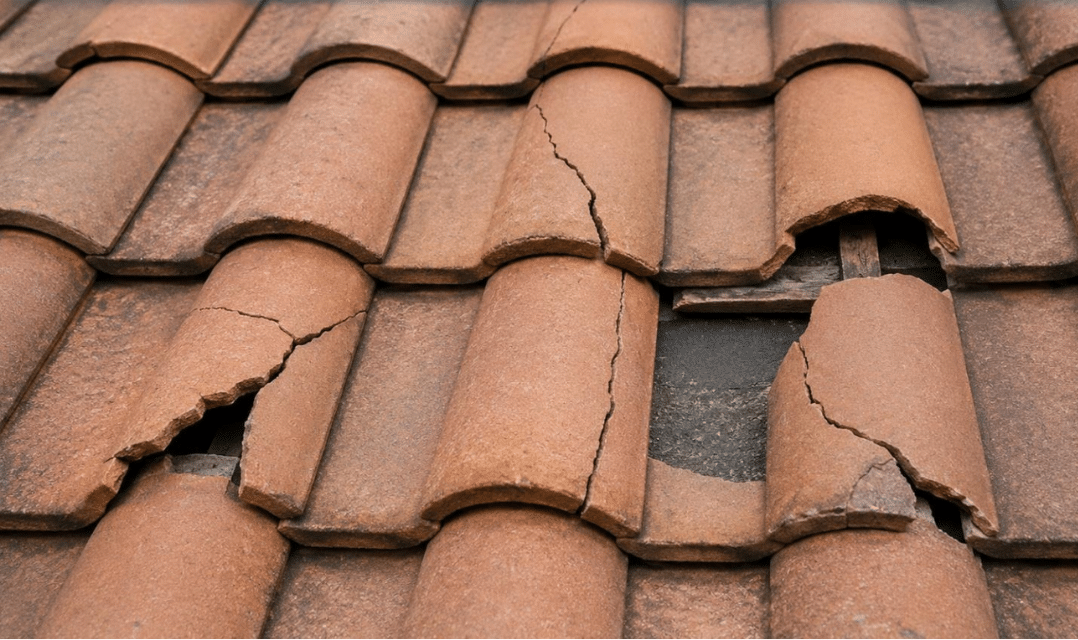
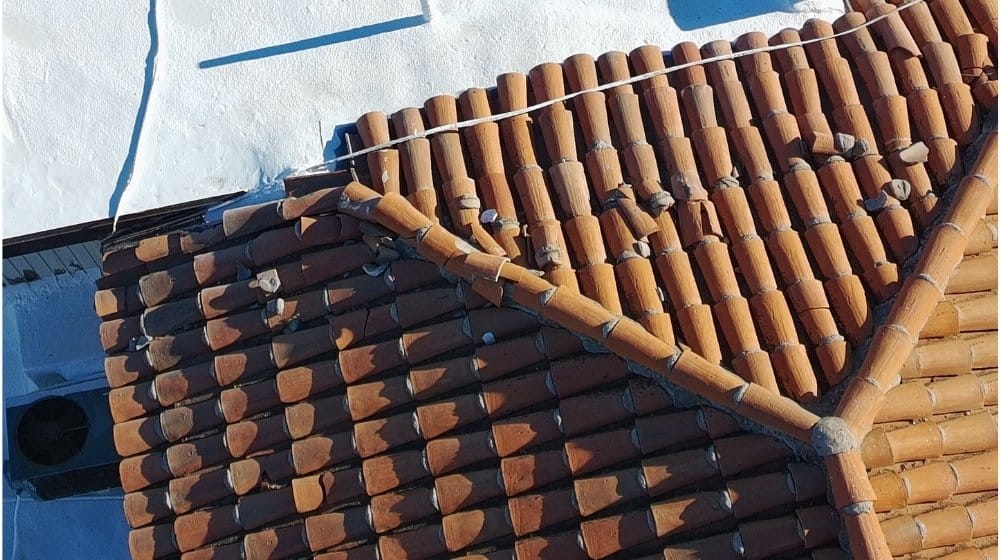
For a tile roof, the process may include removing and stacking tile, replacing underlayment, replacing or evaluating flashings, installing battens or fastening systems, and then placing or resetting the tile. If existing tile is being reused, tile handling and replacement of broken pieces can also affect the timeline. This is why tile projects often take longer than homeowners expect.
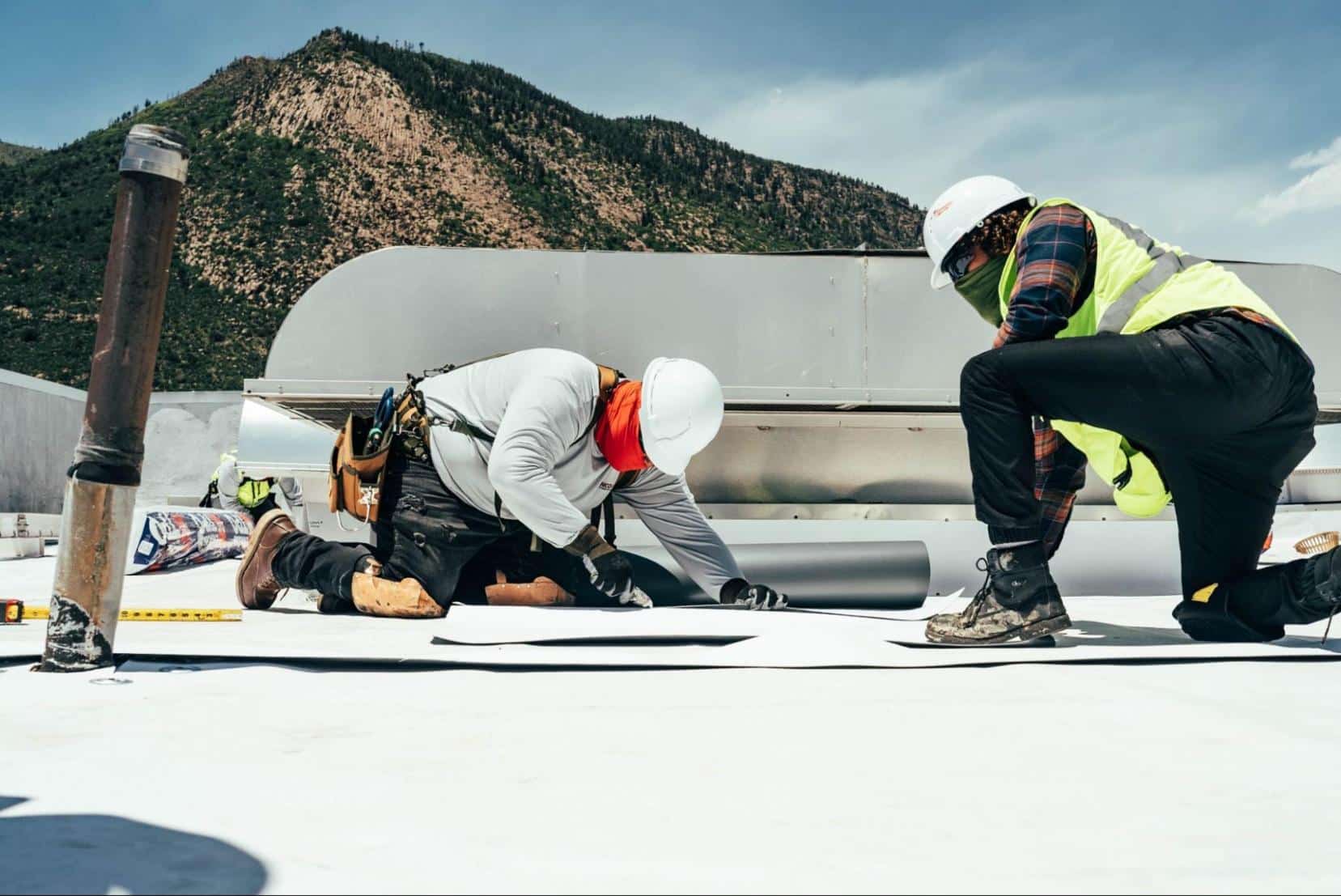
For a foam roof, the project may involve removal, surface preparation, foam application, coating, and cure time. Many standard-size foam roof replacements can move quickly, but the timeline still depends on prep, weather, coating requirements, and the roof’s condition.
Cleanup and Final Review Are Completed
At the end of the project, the crew removes debris, cleans the work area, performs magnetic sweeps for nails or metal fasteners where applicable, and completes a final review of the work.
A clean jobsite matters. So does communication. Before the project is considered complete, the homeowner should understand what was done, what changed during the project if anything unexpected came up, and what to expect from the finished roof.
[Read article: What It’s Really Like to Work with Renco Roofing]
What Can Delay a Roof Replacement in Phoenix?
Several things can change the timeline of a roofing project. Some can be planned for. Others are discovered only after work begins.
Weather Can Interrupt the Schedule
Phoenix has many dry working days, which can help roofing projects move efficiently for much of the year. But weather still matters.
During monsoon season, storms can roll in quickly. If rain or high winds are expected, crews may need to pause tear-off, dry-in, coating, or installation work. A storm can shut a project down for a day or two if conditions are unsafe or if the roof cannot be opened responsibly.
Extreme summer heat can also affect the workday. Crews may need to start earlier, slow down, take extra safety precautions, or adjust production expectations. That does not always delay the project by a full day, but it can affect how quickly work moves.
Hidden Damage Can Add Work
Hidden roof damage is one of the most common reasons a project takes longer than expected.
A roof may look straightforward during the inspection, but once the old materials are removed, the crew may discover damaged decking, rotted wood, bad previous repairs, moisture damage, thin plywood, or structural issues.
For example, older homes may have very thin plywood that was common decades ago but does not hold up well over time. Once the crew starts removing the roof, they may find that the decking is too weak to roof over properly.
In that situation, the contractor may need to stop, dry in the roof temporarily, discuss the condition with the homeowner, order new wood, and adjust the scope before work continues.
That extra time is frustrating, but installing a new roof over bad decking would be the wrong decision.
Material Availability Can Delay the Start
Material shortages usually delay the start of a job more than the work itself.
For example, if a specific tile, shingle, metal color, or roofing product is delayed, the contractor may know that before the project begins. In that case, the schedule may be pushed back before the crew arrives.
Tile roofs are especially sensitive to this issue. Older Arizona homes may have tile that is discontinued, faded, or hard to match. If replacement tiles are needed, sourcing them may take additional time.
This can also matter during the job if more broken tiles are discovered than expected.
Pests Can Create Unexpected Delays
It is not common, but pest issues can delay a roof replacement.
During tear-off, a crew may discover bees, roof rats, or other pest activity that was not visible before the roof was opened. If a beehive is found, work may need to stop until the area is cleared safely by the right professional.
These issues are not everyday occurrences, but they do happen. And because they are hidden until removal begins, they can be difficult to predict during the initial inspection.
HOA Approvals Can Delay the Start
In many Phoenix-area neighborhoods, HOA approval may be required before work begins, especially if the project involves a visible material or color change.
HOA approvals usually delay the start of the project, not the actual installation once the crew is on site. Still, they should be handled early so the roofing schedule does not get pushed back unnecessarily.
If you live in an HOA community, ask what documents, samples, colors, or product information may be needed before work can be scheduled.
Roof Complexity Can Add Time
Some roofs naturally take longer because they are more complicated.
A roof may require more time if it has multiple levels, steep sections, limited access, skylights, chimneys, solar panels, AC equipment, parapet walls, scuppers, roof-to-wall transitions, or many penetrations.
Complexity matters because roofing is not just about covering a flat surface. The details around transitions and penetrations are often where leaks start if the work is rushed or poorly installed.
Safety or Medical Issues Can Pause Work
This is not something anyone wants to see, but roofing is physical work in a hot environment. A crew member can get injured, become dehydrated, or have a medical issue that requires work to pause.
A professional contractor should take safety seriously. If work needs to stop to protect the crew or homeowner, the contractor should communicate clearly and explain how the schedule will be adjusted.
What Homeowners Should Expect During the Project
A roof replacement is temporary, but it is not quiet or invisible. Knowing what to expect makes the process less stressful.
Expect Noise
Roofing is loud. You may hear hammering, scraping, walking, material movement, equipment, and crew communication throughout the day.
If you work from home, plan ahead. You may not be able to take conference calls or do quiet work during the loudest parts of tear-off and installation.
Expect Some Vibration
During tear-off and installation, you may feel light vibration inside the home. Items on walls, shelves, or fragile surfaces may shift.
Before work begins, it is smart to remove fragile items from walls, secure valuables, and move anything delicate that could be affected by vibration.
Expect Limited Access Around the Home
Driveways, side yards, gates, and walkways may be used for equipment, materials, debris, and crew access.
Move vehicles away from the home before the project starts. If you need to leave during the day, park where you will not be blocked in.
Expect Dust and Debris
Even with property protection and cleanup, some dust and debris are part of roofing work.
If you store items in the attic, you may want to cover them before the project begins. Outside, move patio furniture, potted plants, grills, toys, or fragile items away from the work area if possible.
How to Prepare Before Your Roof Replacement
A few simple steps can make the project go more smoothly.
Before the crew arrives:
- Move vehicles away from the driveway and garage.
- Clear patio furniture, potted plants, decorations, and fragile outdoor items near the home.
- Secure pets indoors or away from work areas.
- Remove fragile items from walls and shelves.
- Cover valuables stored in the attic if needed.
- Let neighbors know there will be roofing work.
- Make sure gates and access points are unlocked or available.
- Ask your contractor where materials, trailers, or dumpsters will be placed.
- If you work from home, plan for the loudest parts of the project.
Preparation does not eliminate disruption, but it reduces surprises.
A Smooth Roofing Project Is Not Just About Speed
Homeowners often assume the best project is the fastest project. In roofing, that is not always true.
A smooth project is one where the contractor communicates clearly, protects the home, addresses problems correctly, and keeps the job moving without cutting corners.
Communication matters from the beginning. The salesperson should set clear expectations. The office should keep the homeowner informed during the paperwork and scheduling process. Production should let the homeowner know when the file is ready, when scheduling is being reviewed, and when the project is expected to start.
If the start date is far out, the contractor should continue communicating so the homeowner is not left wondering what is happening.
A well-run project usually has:
- A clear expected timeline before work begins.
- Communication before the project starts.
- Communication if the schedule changes.
- A plan for protecting the property.
- A process for handling hidden damage.
- Organized materials and debris control.
- Final cleanup and review.
A poorly managed project is often not just slow. It is unclear.
The homeowner is not kept informed. The project manager or foreman does not communicate well. Delays happen without explanation. Problems are discovered, but the homeowner does not understand what changed or why.
The difference is not just speed. It is process, supervision, and communication.
Questions to Ask Before Your Roof Replacement Begins
Before signing a contract or scheduling the project, ask:
| Question | Why It Matters |
| How long should my specific roof take? | The answer should be based on your roof type, size, and complexity. |
| What could delay the project? | Weather, hidden damage, HOA approval, pests, safety issues, and materials should be discussed upfront. |
| When will my home be dried in? | This helps you understand when the home is protected during the project. |
| What happens if damaged decking is found? | You should know how added work is documented and priced. |
| What happens if more plywood or wood replacement is needed than expected? | Larger wood issues can change both timeline and cost. |
| How will you protect my property? | Landscaping, pools, driveways, patios, and attic spaces may need protection. |
| What should I do before the crew arrives? | Preparation reduces disruption. |
| How will you communicate schedule changes? | Clear updates matter when work affects your home. |
| Who will be my point of contact during the project? | You should know who to call if questions come up. |
These questions help you understand not just how long the project may take, but how the contractor manages the process.
Bottom Line
Most roof replacements in Phoenix take 2 to 10 days, but the exact timeline depends on the roof system, size, complexity, weather, materials, and what is found once the old roof is removed.
A typical shingle roof may take about 2 to 3 days. A standard foam roof may be completed in about 2 days. A tile roof where the existing tile is saved and reset often takes about 3 to 7 days. More complicated projects or projects with hidden damage can take longer.
The most important thing is not whether the project is finished as fast as possible. It is whether the roof is installed correctly, the home is protected, and the contractor communicates clearly if something changes.
A roof replacement is a short-term disruption for long-term protection. The more you understand the process before work begins, the smoother the experience will be.
What to Do Next
If you are planning a roof replacement, ask your contractor for a timeline based on your specific roof, not just a generic estimate.
At Raving Roofs, we inspect your roof, explain what may affect the project timeline, discuss possible delays before work begins, and provide a detailed proposal so you understand the scope, materials, and expected process.
If you are still deciding whether your roof needs repair or replacement, start with an inspection. That is the best way to understand the condition of your roof and what timeline makes sense for your home.