Jeff Nickerson, Technical Roofing Consultant
Last Updated: July 2026
The Quick Answer
Working with a roofing company should not feel like handing over your home and hoping for the best.
At Renco Roofing, the goal is to make the roofing process feel clear, organized, and honest from the first inspection to the final cleanup. That means explaining what we find, showing you photos when possible, walking through your options, preparing you for the real disruption of roofing work, protecting your property, communicating when something changes, and helping you understand what happens after the job is done.
Roofing is still construction. It can be noisy. It can be messy. Crews may be on your roof early in the morning. Materials may be staged near your home. Hidden damage can show up once old roofing materials are removed.
We do not think homeowners should be surprised by that.
The best roofing experience is not one where everything is made to sound easy. It is one where you know what to expect, who to talk to, what is happening next, and how your home is being protected.
Why Homeowners Feel Nervous Before a Roofing Project
A roofing project involves your home, your money, your schedule, and your trust. It is not like buying a small repair part or hiring someone for a quick service call. A roof protects everything underneath it, so the decision feels bigger.
Because most homeowners rarely go through a roofing project, it can feel like you are being asked to make a major decision without knowing what the experience will actually be like. You may be wondering whether the recommended work is really necessary, whether the quote is fair, whether your property will be protected, how disruptive the job will be, and what happens if something unexpected is found once the work begins.
That is why the experience matters. The homeowner should not feel lost once the contract is signed.
It Starts with Understanding What You Need
Before we can recommend anything, we need to understand what brought you to us and what is happening with your roof.
Maybe you have an active leak, a ceiling stain, an aging roof, or concerns about the next monsoon storm. Maybe you are comparing quotes and trying to understand which recommendation makes the most sense.
We begin by listening to your concerns and inspecting the roof to determine whether the issue is isolated, part of a larger problem, or something that may not need immediate work.
The inspection should help answer practical questions:
- Is the issue urgent?
- Can it be repaired?
- Is the surrounding roof still healthy?
- Is this a maintenance issue, a partial replacement issue, or a full replacement conversation?
- Is there anything we cannot fully confirm without opening part of the roof?
From there, the Renco Roofing experience is built around four things: showing you what we found, explaining exactly what you are buying, preparing you for the work, and taking care of your home while the project is underway.
Step 1: We Show You What We Found
If we find a problem, you should be able to see what we saw. Photos, notes, and plain-language explanations help turn roofing into something you can actually understand.
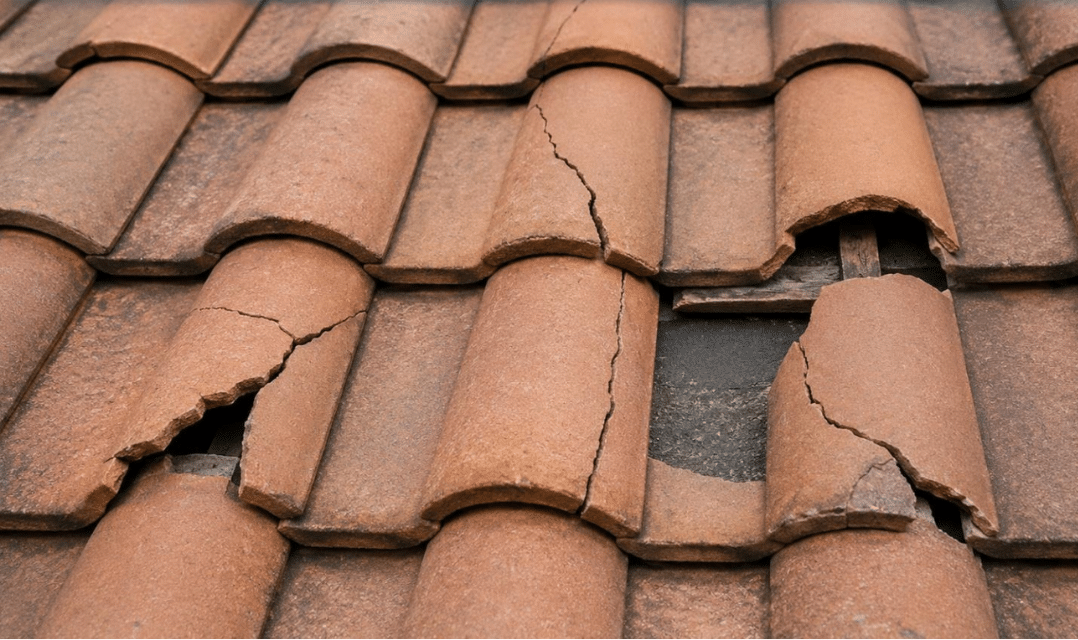
A broken tile may be simple. A leak under tile may involve the underlayment. A ceiling stain may not line up directly with where water entered the roof because water can travel before it shows up inside the home. A foam roof may look mostly fine from the ground but have coating wear, cracking, blisters, or poolinh water that needs closer attention.
Those details matter because they affect the recommendation.
Sometimes the answer is a repair. Sometimes it is monitoring or maintenance. Sometimes one slope or section needs attention. Sometimes the roof system is worn enough that replacement should be part of the conversation.
Step 2: The Proposal Will Tell You What You Are Actually Buying
Roofing quotes can be confusing because two proposals may sound similar but include very different work.
One quote may include better prep, better materials, more complete flashing work, stronger cleanup, clearer warranty support, and better property protection. Another quote may look cheaper because some of those details are vague, reduced, or excluded.
That is why the proposal matters.
A useful roofing proposal should explain the scope of work, the materials being used, what is included, what is excluded, how hidden damage is handled, how long the work is expected to take, what warranty applies, and what you may need to do before the crew arrives.
The number matters, but the number alone is not enough.
A homeowner should know what that number represents.
[Read article Why Some Roofing Quotes are Cheaper than Others]
Step 3: Before Work Starts, We Help You Prepare
Once the work is scheduled, the roofing project starts to become more real.
This is the point where homeowners usually start thinking about the practical side of the job. Where will the trucks park? Do cars need to be moved? What happens to patio furniture? What about pots, grills, pool equipment, irrigation lines, or fragile landscaping?
These details matter because roofing work affects more than the roof.
Before work begins, we may ask you to move vehicles, clear patio furniture, secure pets, point out fragile landscaping, or let us know about anything around the home that needs extra care. If you work from home, have young children, or are sensitive to noise, it is also worth planning around the most active workdays.
Sometimes the things that matter most to a homeowner are not obvious. On one project, the homeowner was especially concerned about a cactus on the property. It mattered to them more than almost anything else around the home, so the crew took extra care to protect it during the job.
That is why we ask homeowners to point out anything fragile, valuable, sentimental, or difficult to replace before work begins. The roof is the main project, but the home and property around it still matter.
Step 4: Job Day Is Active and Noisy
Roofing work is not quiet.
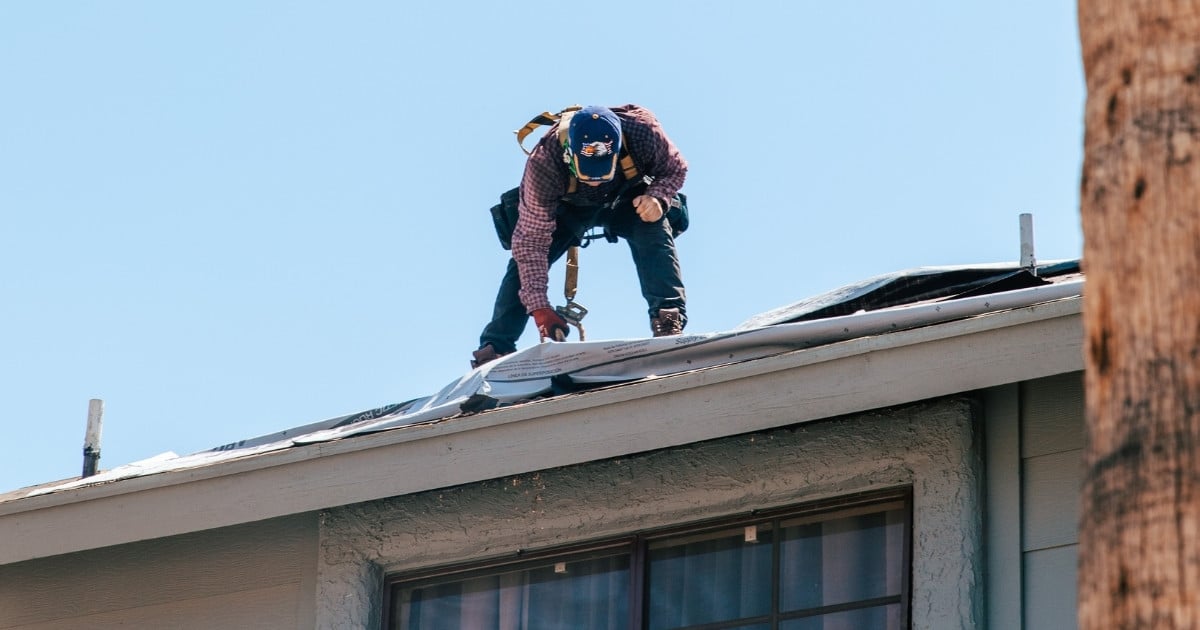
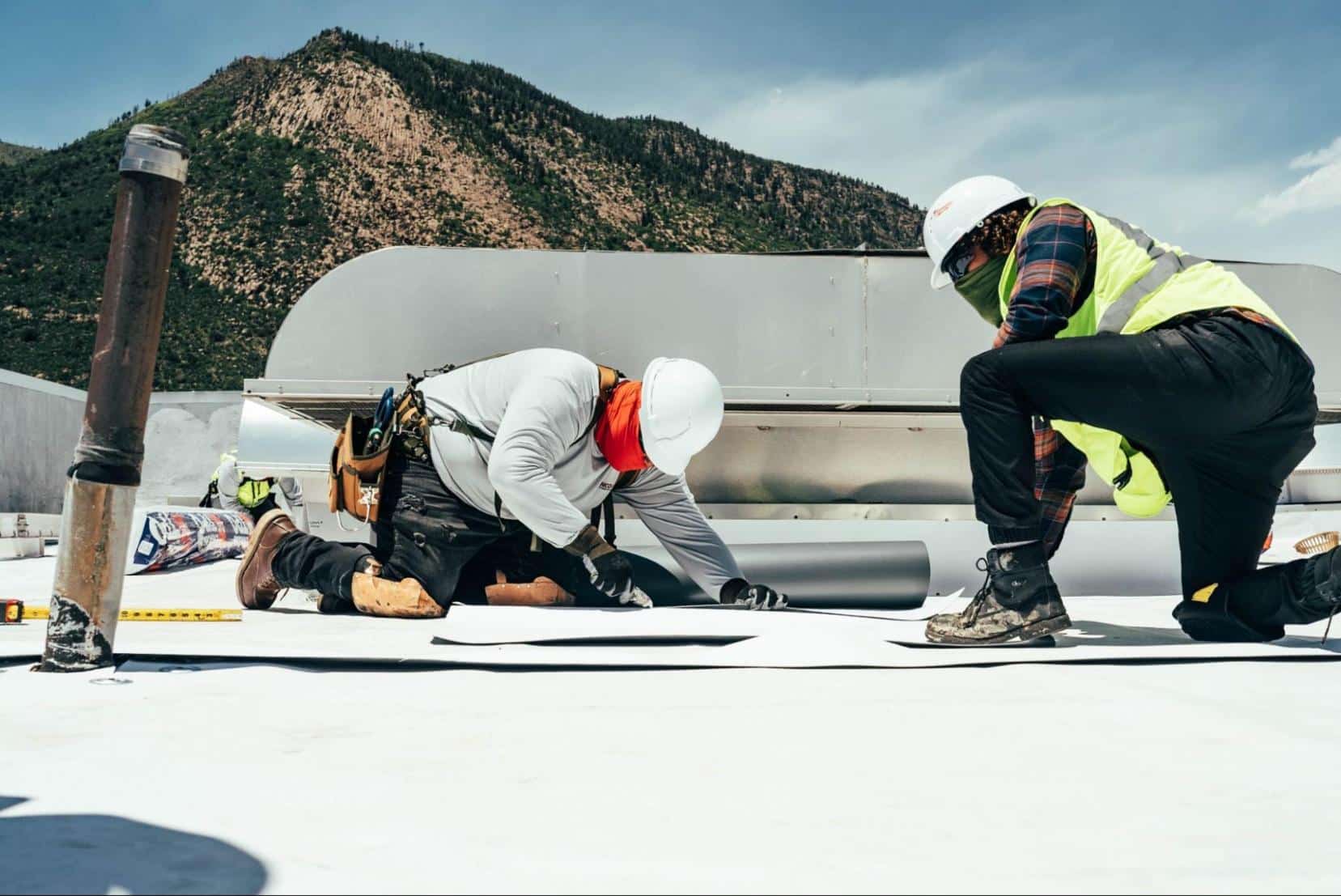
On job day, you should expect crews, trucks, ladders, tools, materials, movement on the roof, and noise. If tear-off is involved, old roofing materials may be removed, debris may come off the roof, and the work area may look busy before it looks finished.
That does not mean the jobsite should feel careless.
There is a difference between a project that is active and a project that is unmanaged. A professional roofing crew should set up the work area, stage materials, protect vulnerable parts of the property, manage debris, and keep the project moving.
We would rather be honest about the disruption upfront than pretend roofing is quiet, clean, and invisible while it is happening.
We Use Property Protection Because the Roof Is Not the Only Thing That Matters
When homeowners think about roof work, they usually think about the roof itself.
But during a roofing project, the areas around the home matter too: landscaping, patios, windows, walls, pools, pavers, driveways, gates, lighting, and outdoor furniture.
One protection system we use is called the Catch-All system. It uses netting and tarp-style barriers around the home to help catch debris before it reaches vulnerable areas. It does not make roofing perfectly clean while work is underway, but it helps control debris and reduce the risk of damage.
This is also why we ask homeowners to point out anything fragile or important before the work begins. Delicate plants, irrigation lines, pool features, outdoor lighting, and specialty surfaces are all worth mentioning.
The roof matters. So does the rest of the property.
Surprises Can Happen Once the Roof Is Opened
Most projects go according to plan, but roofing can reveal hidden problems once materials are removed.
This is especially true with older roofs, tile underlayment, leaks, previous repairs, decking, and areas that have been covered for years. Sometimes damaged wood, failed patchwork, deteriorated underlayment, hidden water damage, or fragile tile only becomes clear once the roof is opened.
That can be frustrating for homeowners, especially when they thought the scope was already settled. The important thing is how those surprises are handled.
If something unexpected is found, the process should pause long enough to document it, explain it, and walk through what it means. Homeowners should not be hit with confusing changes without photos, context, or a conversation.
Tile Roofs Need Extra Expectation-Setting
Tile roofs are common in Phoenix, and they deserve a direct conversation before work begins.
From the ground, tile work can look simple. Tile roofs can be more complicated because the visible tile is only part of the system. The underlayment beneath the tile is usually the main waterproofing layer and accessing that layer means removing and resetting tile.
Some tile breakage can happen during removal and reset, especially on older, brittle, clay, sandcast, or specialty tiles. Concrete tile is usually more predictable, but age, condition, and availability still matter.
This does not mean crews should be careless. It means the risk should be discussed upfront.
If replacement tiles are hard to find, if a tile is especially fragile, or if breakage could affect the final cost, homeowners should know that before the work starts.
Communication Should Continue During the Project
A roofing project feels much more stressful when the homeowner does not know what is happening.
You should know who is managing the job, how updates will be handled, and who to contact if you have a question. You should also be told if weather, hidden damage, material timing, or field conditions change the plan.
Communication may include start-of-day expectations, progress updates, photos, discovery updates, schedule changes, and end-of-day status. Not every project needs constant updates, but homeowners should not feel ignored once work begins.
A roofing project can be disruptive. Poor communication makes it feel worse.
Cleanup and Final Review Matter
The job should not feel finished the moment the crew stops working on the roof.
Cleanup and final review are part of the experience. That may include removing debris, cleaning work areas, checking access paths, using magnet sweeps where appropriate, reviewing completed work, answering homeowner questions, and providing warranty or maintenance information.
The final stage should help you understand what was done and what to expect next.
Different roofing systems have different maintenance needs. Foam roofs may need recoating over time. Tile roofs may need future checks for broken tiles, debris in valleys, or underlayment aging. Shingle roofs may need monitoring for granule loss, curling, cracking, or lifted shingles.
A finished roof should come with a clearer understanding of how to protect it.
What Working with Renco Roofing Should Feel Like
Working with Renco Roofing should feel organized, honest, and human.
That does not mean every part of the project will be perfectly smooth. Roofing is real construction work. Weather can shift schedules. Hidden damage can appear. Materials can take time. Tile can break. Workdays can be loud.
But the homeowner should understand what is happening and why.
You should feel like the roof was inspected carefully, the recommendation was explained clearly, the proposal made sense, the property was protected, communication continued during the work, and cleanup was taken seriously.
You should also feel comfortable asking questions.
A strong roofing experience is not built on pretending there will never be disruption. It is built on setting expectations, protecting the home, communicating clearly, and handling real-world issues the right way.
Final Takeaway
Working with a roofing company should leave you with more confidence, not more confusion.
You should understand what is happening with your roof, what work is being recommended, what the project will involve, what could change, how the property will be protected, and what happens after the job is complete.
That is what we want the Renco Roofing experience to feel like. Clear, honest, organized, and focused on helping your home feel protected again.
What to Do Next
If you are considering roof repair or replacement, start with an inspection.
From there, you should understand what is happening with your roof, what options are available, what timeline makes sense, and whether the company’s process feels like the right fit for your home.