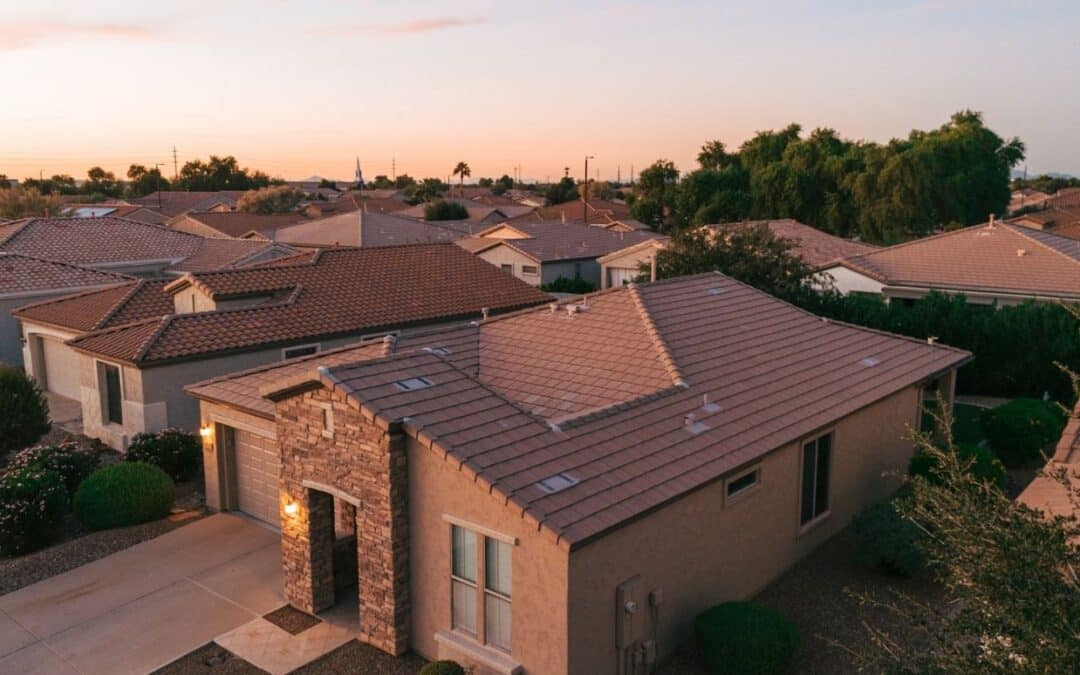
Tile roofs are among the most common roofing systems in Phoenix and the surrounding Valley. They perform extremely well in Arizona’s harsh climate and can last for decades when properly maintained.
However, while the concrete or clay tiles themselves are designed for durability, the underlayment beneath them plays the most important role in protecting your home from water intrusion.
Over time, extreme heat, UV exposure, and seasonal monsoon storms can gradually break down this protective layer. Because underlayment is hidden beneath the tiles, problems can develop long before homeowners notice visible damage. Recognizing the early warning signs of underlayment failure can help prevent leaks, structural damage, and costly repairs.
Why Tile Roof Problems Are Common in Phoenix Homes
Tile roofs are well-suited for Arizona’s climate, but extreme heat, monsoon storms, dust, and aging underlayment can eventually lead to roofing problems homeowners may not immediately notice.
Phoenix Climate Is Tough on Tile Roofs
Phoenix roofing systems are exposed to some of the most extreme environmental conditions in the country. Summer temperatures regularly exceed 110°F, while intense UV exposure gradually weakens roofing materials. Dust storms and debris accumulation can also affect drainage areas and valleys, while monsoon storms bring heavy rain and strong winds.
Concrete and clay roof tiles are extremely durable and often last 40–50 years or more. However, the waterproof barrier beneath the tiles – the underlayment – typically has a much shorter lifespan. Over time, prolonged heat exposure causes the material to dry out, crack, and lose its protective properties.
Once the underlayment deteriorates, water can begin penetrating the roof system even though the tiles themselves still appear intact.
Why Tile Roofs Often Hide Damage
One of the unique characteristics of tile roofing systems is that the tiles act like a protective shell. They shield the roof from direct sunlight and weather while the underlayment beneath provides the actual waterproof barrier.
Because of this layered design, problems developing under the tiles are rarely visible from the ground. Damaged flashing, deteriorating underlayment, or trapped moisture may exist for months or even years before homeowners notice signs inside the house. This is why routine roof inspections are essential for tile roofing systems in Phoenix.
Schedule a no-cost tile roof inspection
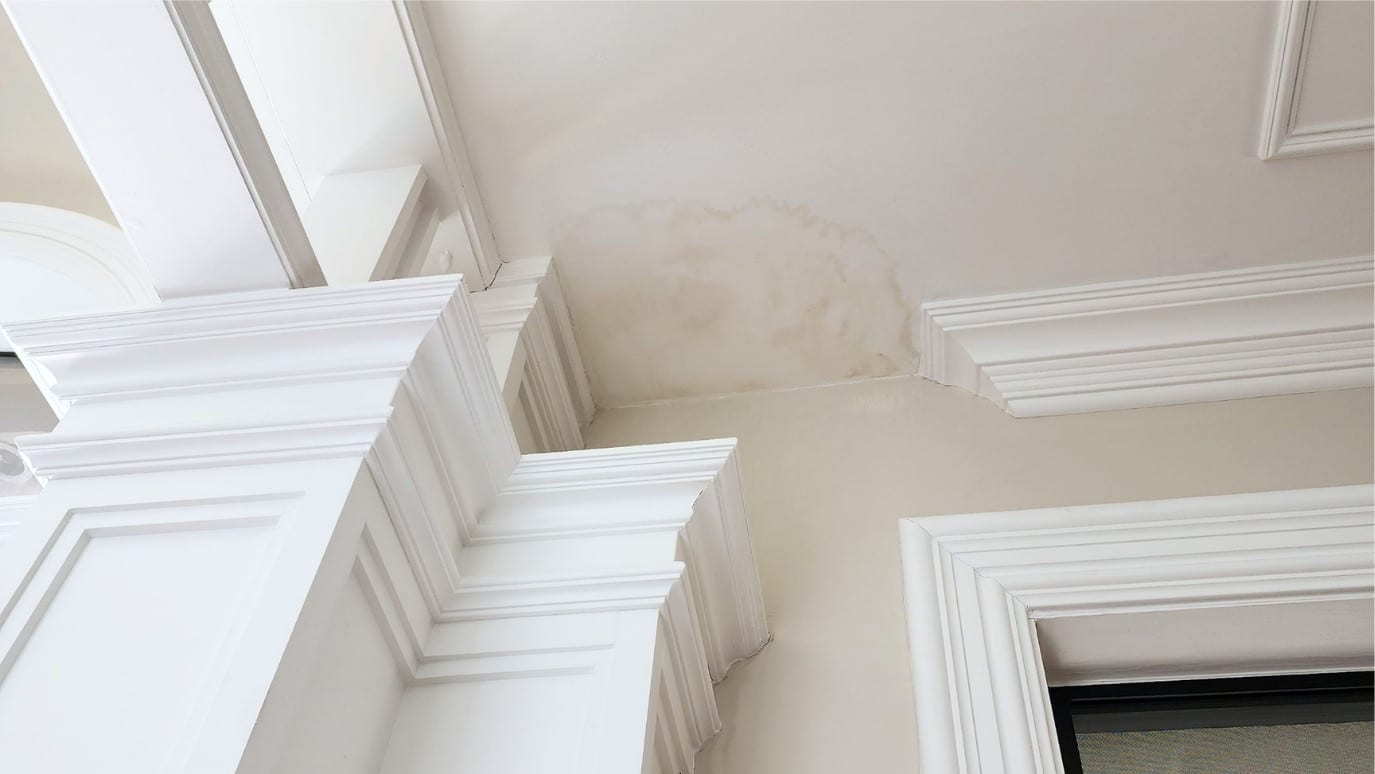
1. Interior Ceiling Stains or Water Spots
Ceiling discoloration is one of the most common indicators that a roof leak may be developing beneath tile roofing systems.
What These Stains Mean
Small water stains on ceilings or walls often indicate slow roof leaks that originate beneath the tile layer. Because tile roofs shed water effectively, leaks usually occur when the underlayment has cracked or deteriorated in specific areas of the roof.
Water may travel along rafters or decking before appearing inside the home, which means the visible stain may not be directly below the damaged section of the roof. Homeowners sometimes assume the problem is minor when stains are small, but even slow leaks can gradually damage insulation, drywall, and structural components over time.
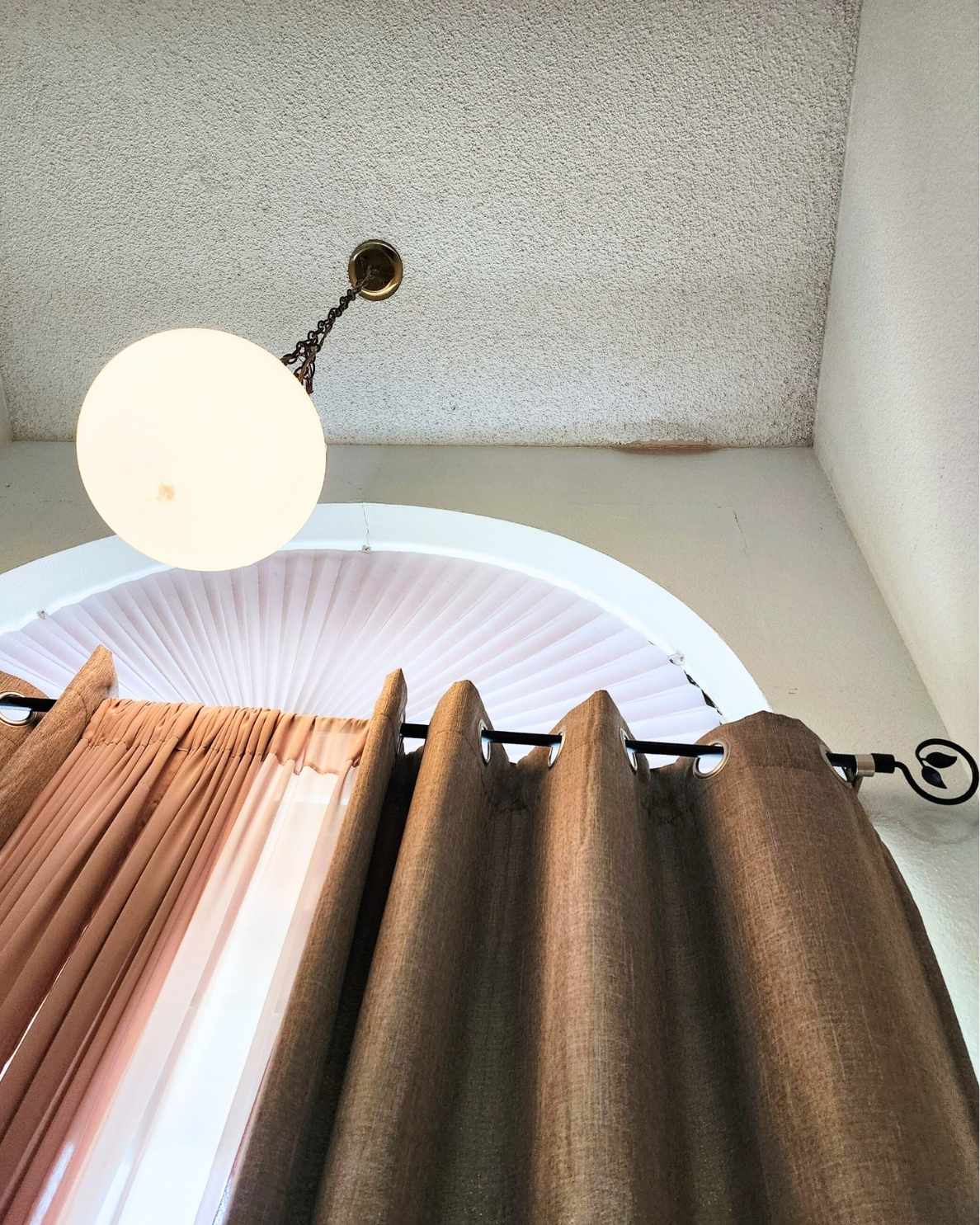
2. Leaks During Monsoon Storms
Roof leaks often become noticeable during heavy monsoon storms, but the underlying damage usually develops long before the first leak appears.
Why Storms Reveal Roof Weaknesses
Phoenix monsoon storms bring strong winds and intense rainfall in short periods of time. Wind-driven rain can force water beneath roof tiles and into areas where the underlayment has already weakened or cracked.
If the waterproof barrier beneath the tiles has deteriorated, water can quickly penetrate the roof deck and enter the home. In many cases, homeowners only notice a leak during a storm, even though the underlying issue has been developing gradually for years.
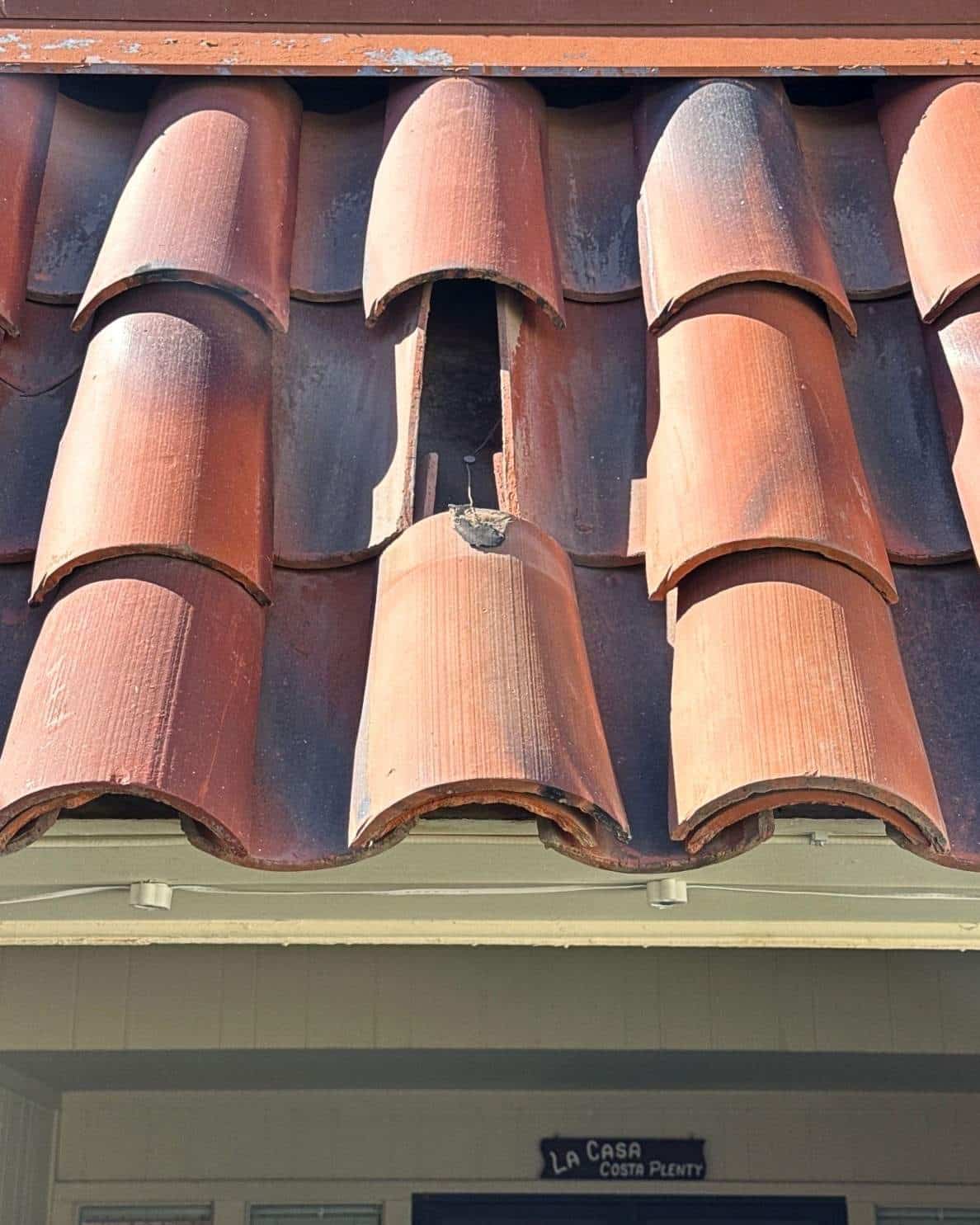
3. Multiple Cracked or Slipping Roof Tiles
Cracked or displaced tiles may seem like a cosmetic issue, but they can also indicate deeper roofing problems.
When Tile Damage Points to Bigger Issues
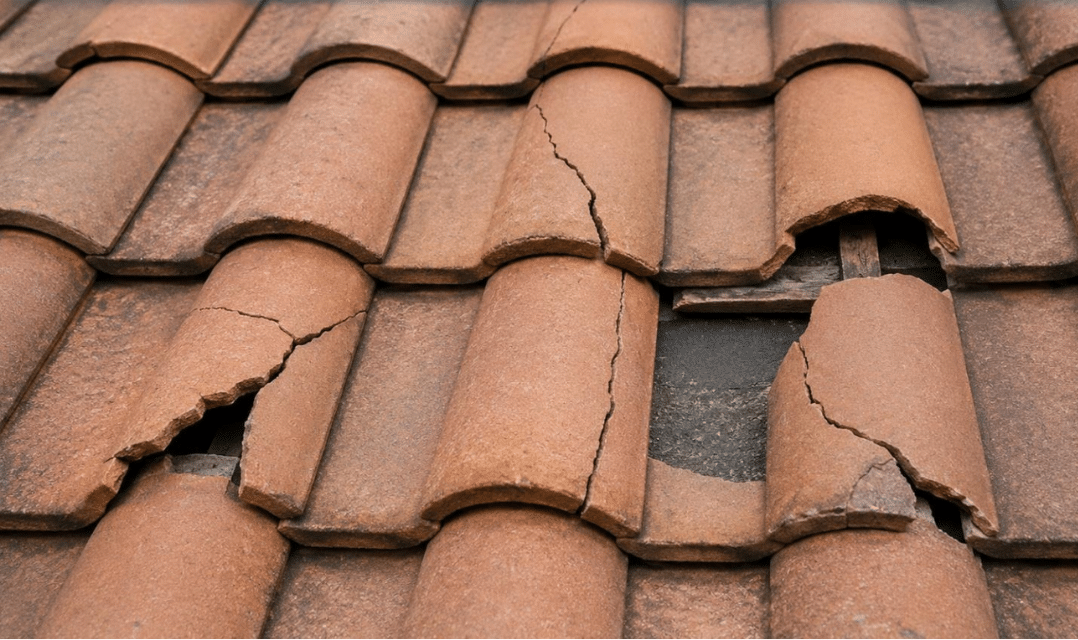
Tile roofs are designed to withstand decades of weather exposure, but individual tiles can occasionally crack due to impact, foot traffic, or aging materials. When multiple tiles are cracked, slipping, or missing, it may suggest that the underlying roof structure or fastening systems are beginning to deteriorate.
Damaged tiles can also expose sections of underlayment to direct sunlight and weather, accelerating its deterioration. If several tiles are compromised, a roofing professional should inspect the roof to determine whether the underlayment beneath them has also been affected.
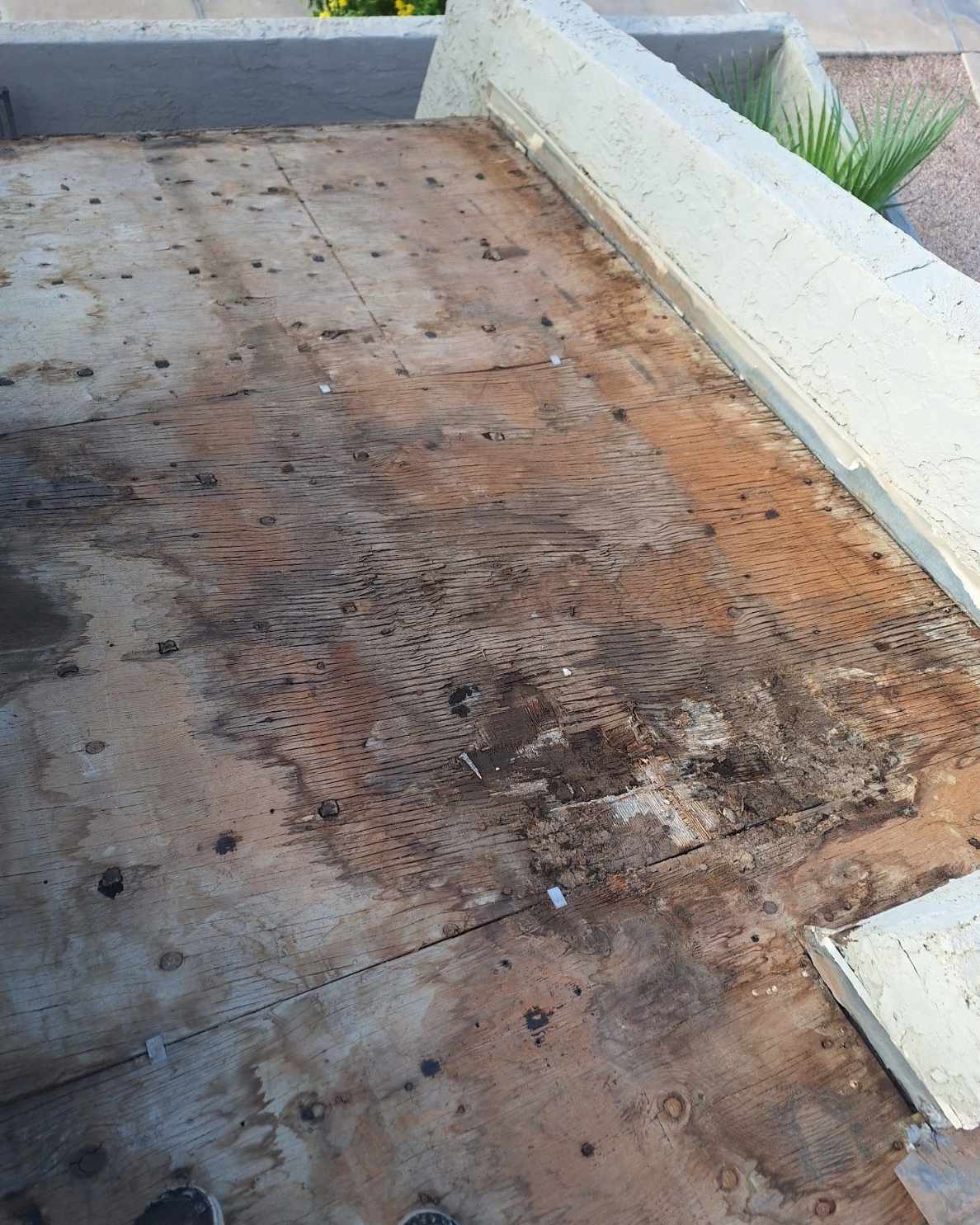
4. Granular or Brittle Roofing Material
Deteriorating underlayment often becomes dry, brittle, and fragile after years of exposure to extreme heat.
What Roofers Look for During Inspections
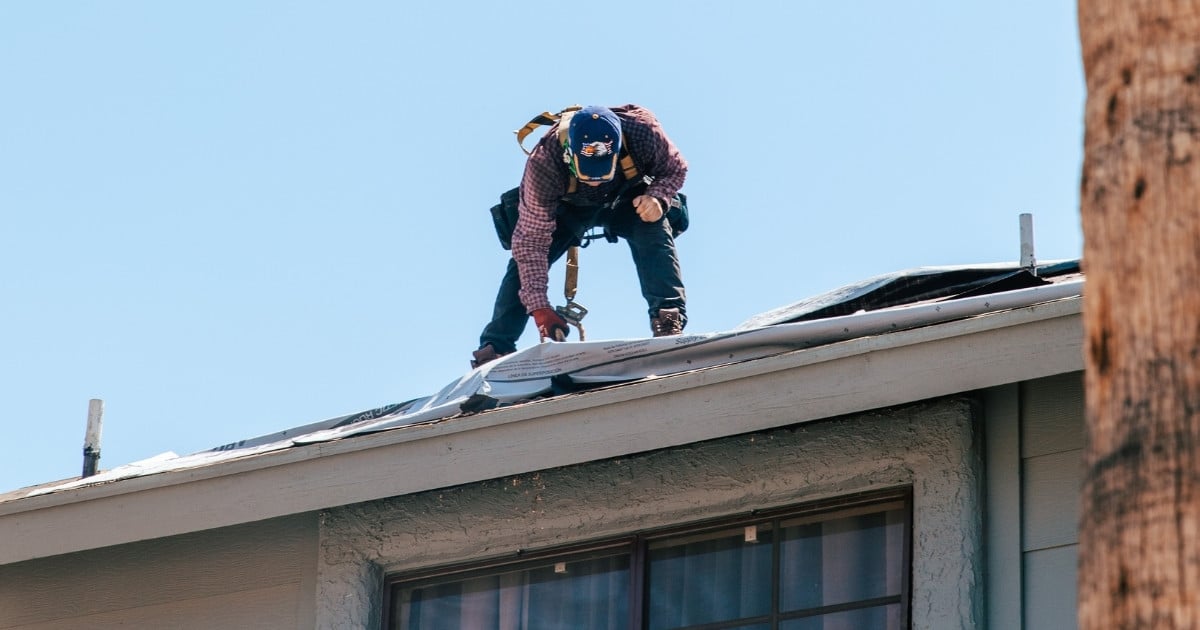
During professional roof inspections, contractors often lift several tiles to examine the condition of the underlayment beneath them. Healthy underlayment remains flexible and intact, while aging materials may appear brittle, cracked, or granular.
When underlayment loses its flexibility, it can no longer expand and contract with temperature changes. This increases the likelihood of cracks forming in the waterproof barrier, which eventually allows water to penetrate the roof system.
5. Sagging Roof Deck Areas
Moisture trapped beneath roofing materials can eventually weaken the structural components of the roof.
Why Moisture Causes Structural Issues
If water repeatedly enters the roof system due to damaged underlayment, the roof deck beneath the tiles may begin to absorb moisture. Over time, this can cause wood decking to weaken, warp, or sag.
Sagging areas of the roof are a serious warning sign that structural damage may already be occurring. In these cases, prompt inspection and repairs are essential to prevent more extensive damage to the roof framing and interior structure of the home.

6. Increased Cooling Costs
A failing roofing system can impact more than just weather protection – it can also affect your home’s energy efficiency.
Why Roofing Problems Affect Energy Bills
Tile roofs provide natural insulation by creating an air gap between the tiles and the roof deck. However, when underlayment deteriorates or moisture enters the roofing system, the roof can lose some of its insulating effectiveness.
Heat intrusion through compromised roofing materials can increase the workload on air conditioning systems, leading to higher cooling costs during Phoenix’s hot summer months. Addressing roofing issues early can help maintain both structural protection and energy efficiency.
7. Your Tile Roof Is 20+ Years Old
The age of your roof is often the most reliable indicator of when underlayment replacement may be necessary.
Typical Tile Roof Lifespans in Phoenix
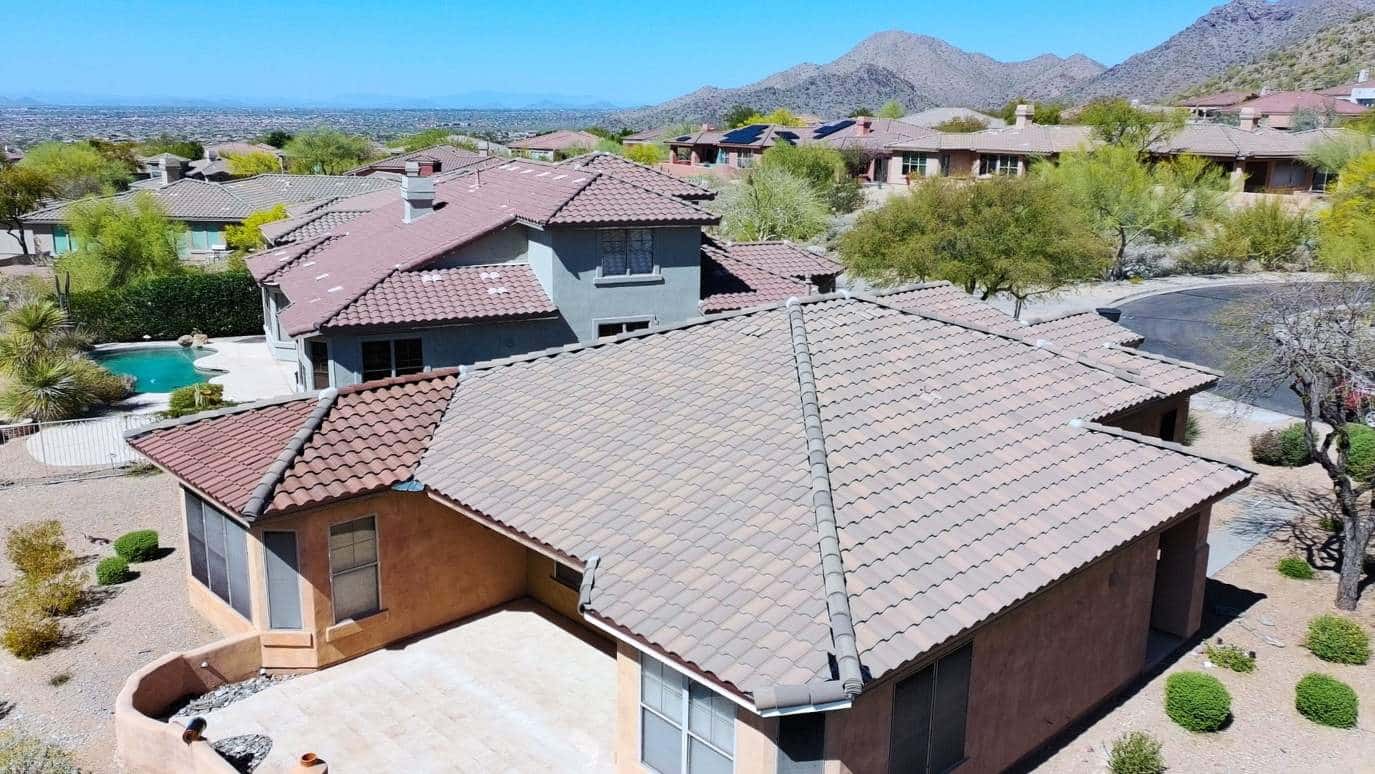
While concrete and clay tiles can last several decades, the underlayment beneath them typically has a lifespan of about 20–30 years depending on materials used and environmental conditions. In Phoenix, extreme heat can accelerate this aging process.
Many homes built in the Valley during the early 2000s are now reaching the point where their original underlayment is nearing the end of its functional lifespan. If your tile roof is over 20 years old, a professional inspection can help determine whether replacement may be needed.
What Happens During Tile Roof Underlayment Replacement
Tile roof underlayment replacement may sound like a major project, but the process is more straightforward than many homeowners expect.
How Roofers Replace Underlayment Without Replacing Tiles
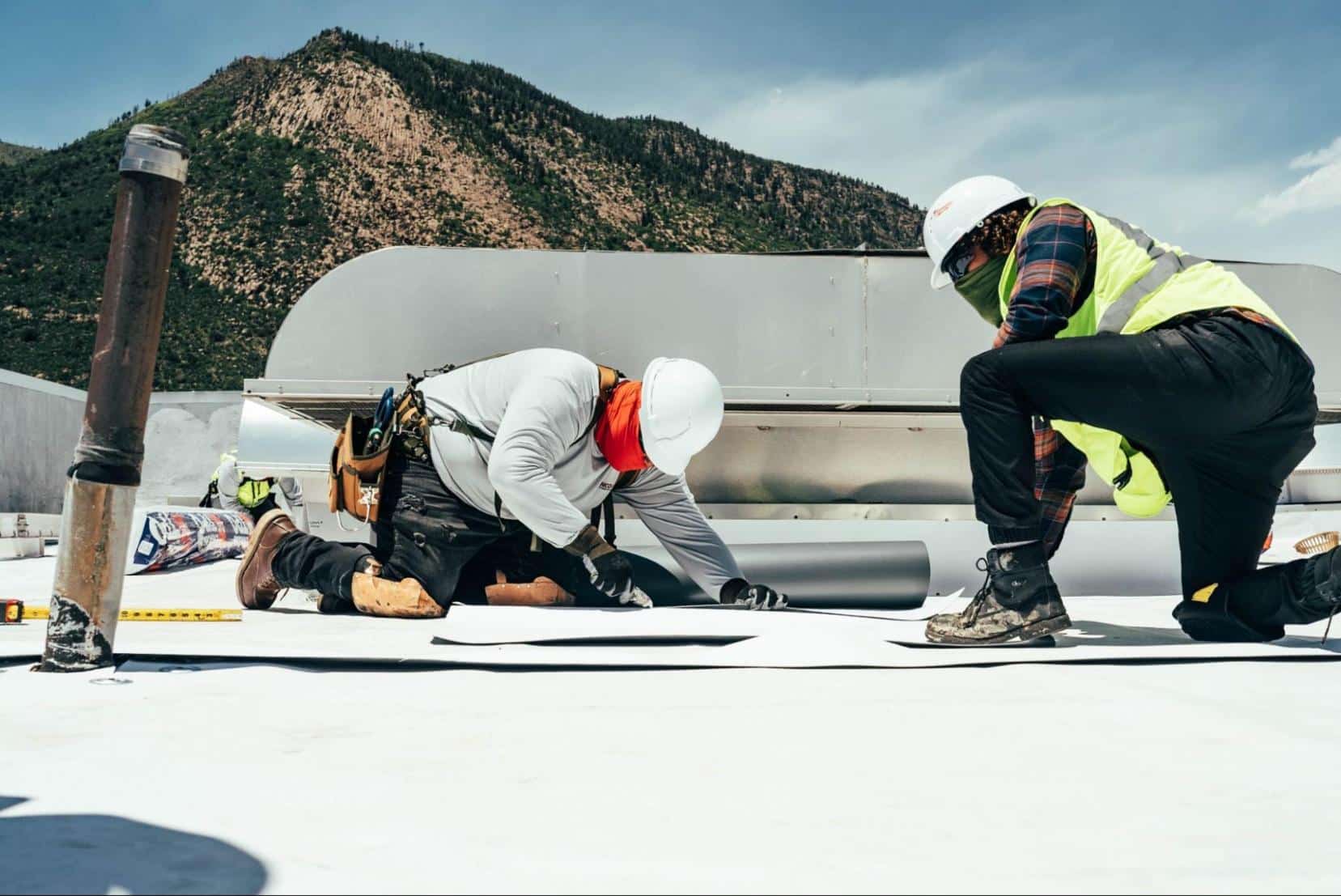
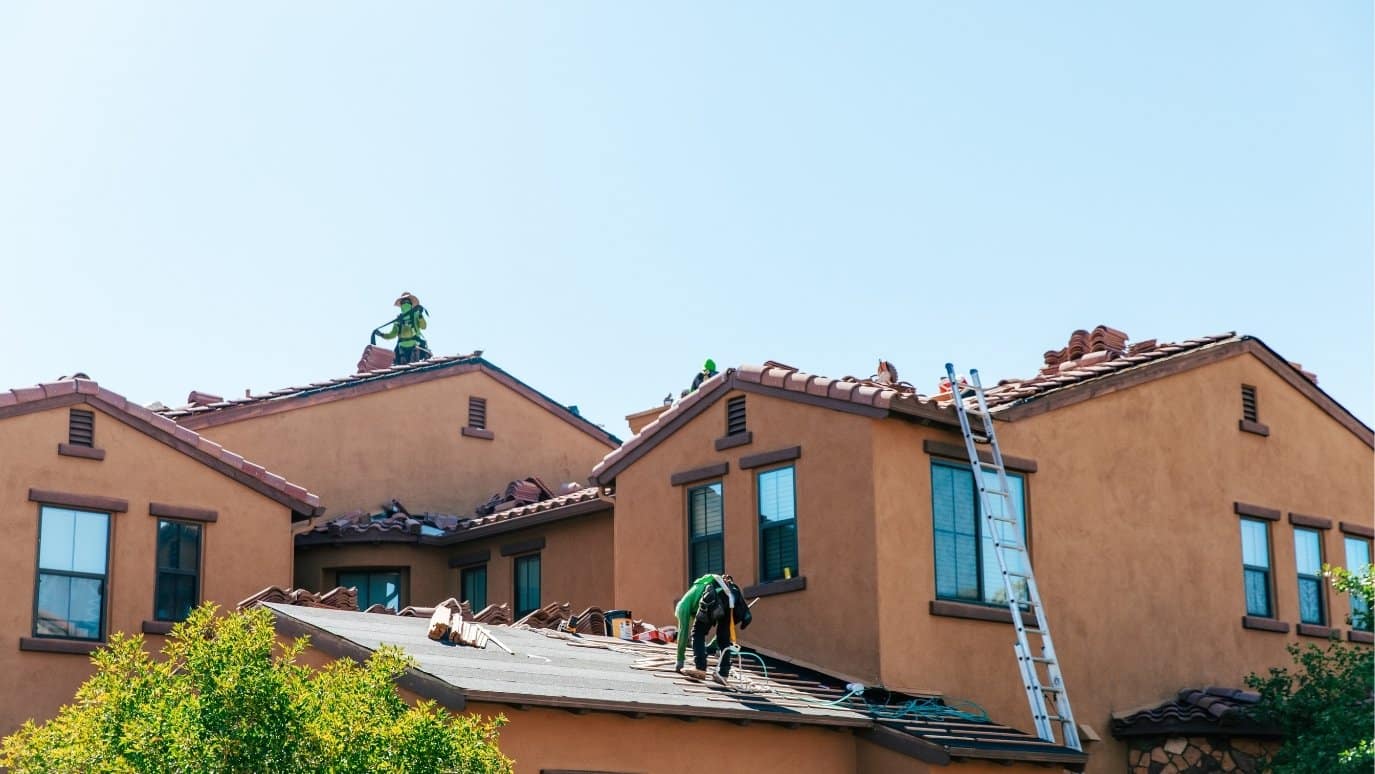
In most cases, roofing professionals perform what is called a lift-and-relay process. The existing tiles are carefully removed and stacked so they can be reused. The old underlayment is then removed and replaced with new waterproof material designed for Arizona’s climate.
Once the new underlayment is installed, the original tiles are reinstalled on the roof. Because the tiles themselves often remain in good condition, this approach allows homeowners to restore the roof’s waterproof protection without the cost of a full tile replacement.
Schedule a Tile Roof Inspection Before Small Problems Become Major Repairs
Tile roofs are designed for long-term durability, but the underlayment beneath them does not last forever. In Phoenix’s extreme climate, even high-quality roofing materials eventually wear down under years of heat, sun exposure, and monsoon storms.
The challenge is that underlayment problems often remain hidden until leaks appear inside the home. By that point, water may already be affecting insulation, drywall, and structural components of the roof.
Scheduling a professional roof inspection can help identify early warning signs before small issues develop into major repairs. A qualified roofing contractor can evaluate the condition of your tile roof, inspect the underlayment beneath the tiles, and recommend the best solution to protect your home for years to come.