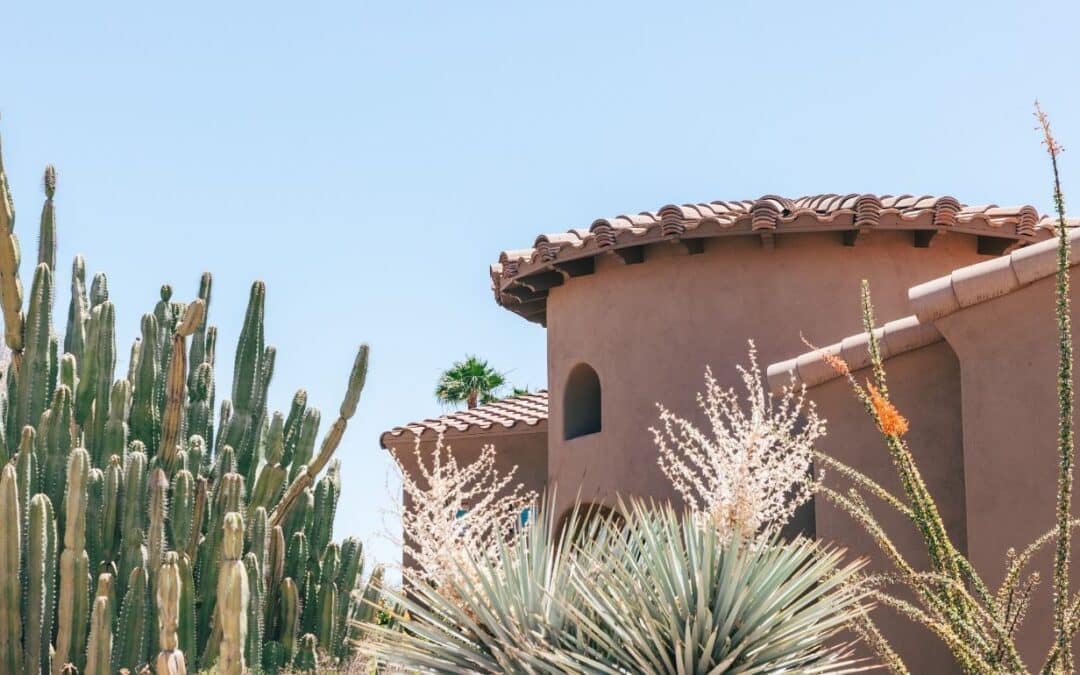
Tile roofs are one of the most common roofing systems across Phoenix, Scottsdale, and communities throughout the Valley. Their durability, ability to withstand extreme heat, and long lifespan make them a reliable choice for Arizona homes.
However, like any roofing system, tile roofs develop problems over time. Some issues affect the tiles themselves, while others involve the underlayment, flashing, or roof structure beneath. The good news is that when caught early, many tile roof problems are repairable. This guide explains the most common tile roof issues Phoenix homeowners face and what to do before they turn into expensive repairs.
Why Tile Roofs Perform Well in Phoenix – But Still Develop Problems
Tile roofs are well suited for Arizona’s climate, but years of intense sun exposure, monsoon storms, dust, and aging roofing materials eventually lead to wear and roofing issues.
The Unique Stress Phoenix Weather Puts on Roofs
Phoenix weather is extremely demanding on roofing systems. Homes in the Valley experience months of intense UV exposure where roof surface temperatures can exceed 150°F during the summer. These high temperatures cause roofing materials to expand during the day and contract at night, creating constant stress on the roof structure.
Seasonal monsoon storms add another layer of pressure. Heavy rains, strong winds, and airborne debris can damage tiles or push water beneath the roof system. Dust storms, also known as haboobs, can deposit fine desert dust and debris across roof surfaces. Over time, these conditions gradually wear down roofing materials, making regular inspections essential.
Why Maintenance Matters for Tile Roof Longevity
One of the biggest misconceptions about tile roofs is that they are maintenance-free. While clay and concrete roof tiles themselves can last 50 years or more, the materials underneath them typically have a shorter lifespan.
The underlayment, flashing, and sealants that create the waterproof barrier beneath the tiles gradually deteriorate due to heat, weather exposure, and age. Without periodic inspections, small problems can go unnoticed until they lead to leaks or structural damage. Routine maintenance allows roofing professionals to identify issues early and protect the long-term performance of the roof.
Got Questions About Tile Roofing in Phoenix?
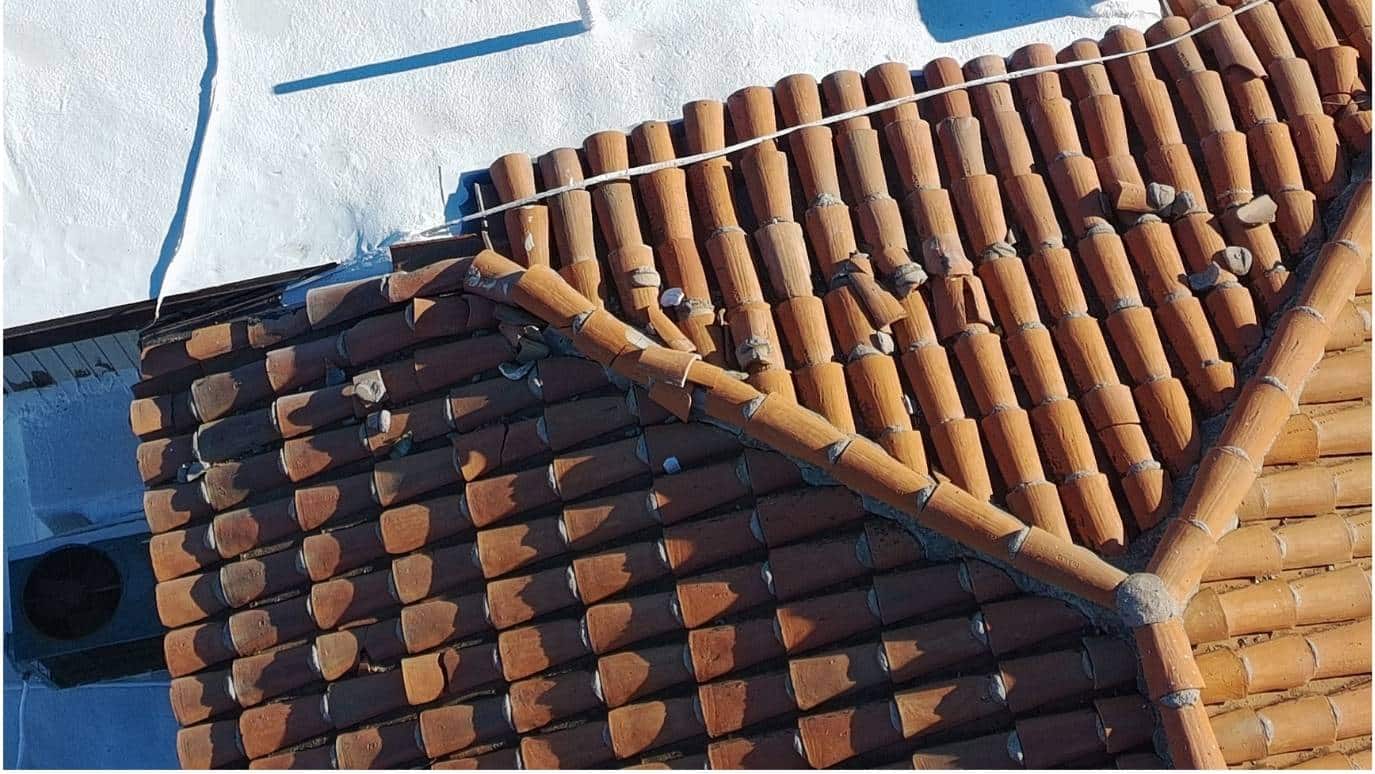
1. Cracked or Broken Roof Tiles
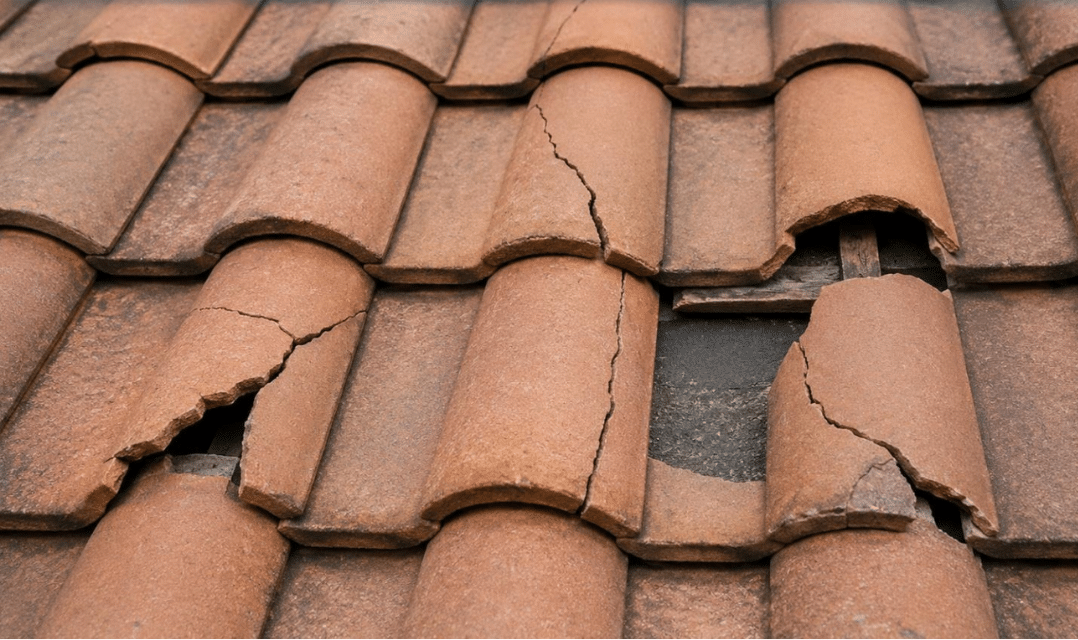
Cracked or broken tiles are one of the most visible tile roof problems and often occur due to foot traffic, falling debris, or natural aging of the material.
What Causes Tile Damage
Tile roofs are durable, but individual tiles can still break under certain conditions. One of the most common causes is foot traffic from technicians servicing HVAC units, solar panels, or satellite equipment. Walking improperly on tile roofs can easily crack or shift tiles.
Falling tree branches, wind-blown debris during storms, and the natural expansion and contraction caused by Phoenix heat can also weaken tiles over time. Even small hairline cracks can expose the underlayment beneath the tile to sunlight and moisture, eventually leading to larger roofing issues.
What To Do About It
Broken or cracked tiles should be replaced as soon as possible. Although tile roofs are designed to shed water even with minor damage, exposed underlayment can deteriorate quickly under Arizona’s sun.
A professional roofing contractor can carefully remove the damaged tile and install a matching replacement without disturbing surrounding tiles. Prompt repairs help protect the waterproof barrier beneath the tile and prevent future leaks.
2. Tile Roof Leaks
Roof leaks are one of the most serious tile roof problems and usually originate from underlayment failure or flashing issues beneath the tiles.
Where Tile Roof Leaks Usually Start
In many cases, leaks do not begin with the tile itself but with components beneath it. The most common leak locations include roof valleys, skylights, chimneys, and areas where pipes or vents penetrate the roof.
These areas require specialized flashing systems designed to redirect water away from vulnerable openings. Over time, flashing can loosen, corrode, or deteriorate, allowing water to find its way beneath the roof tiles.
What To Do About It
If a leak is suspected, a professional roof inspection is the best first step. Roofing contractors will remove select tiles to locate the source of the leak and evaluate the condition of the underlayment and flashing.
Depending on the cause, repairs may include replacing flashing, repairing underlayment sections, or replacing damaged tiles. Addressing the issue early can prevent water from reaching the roof decking or interior of the home.
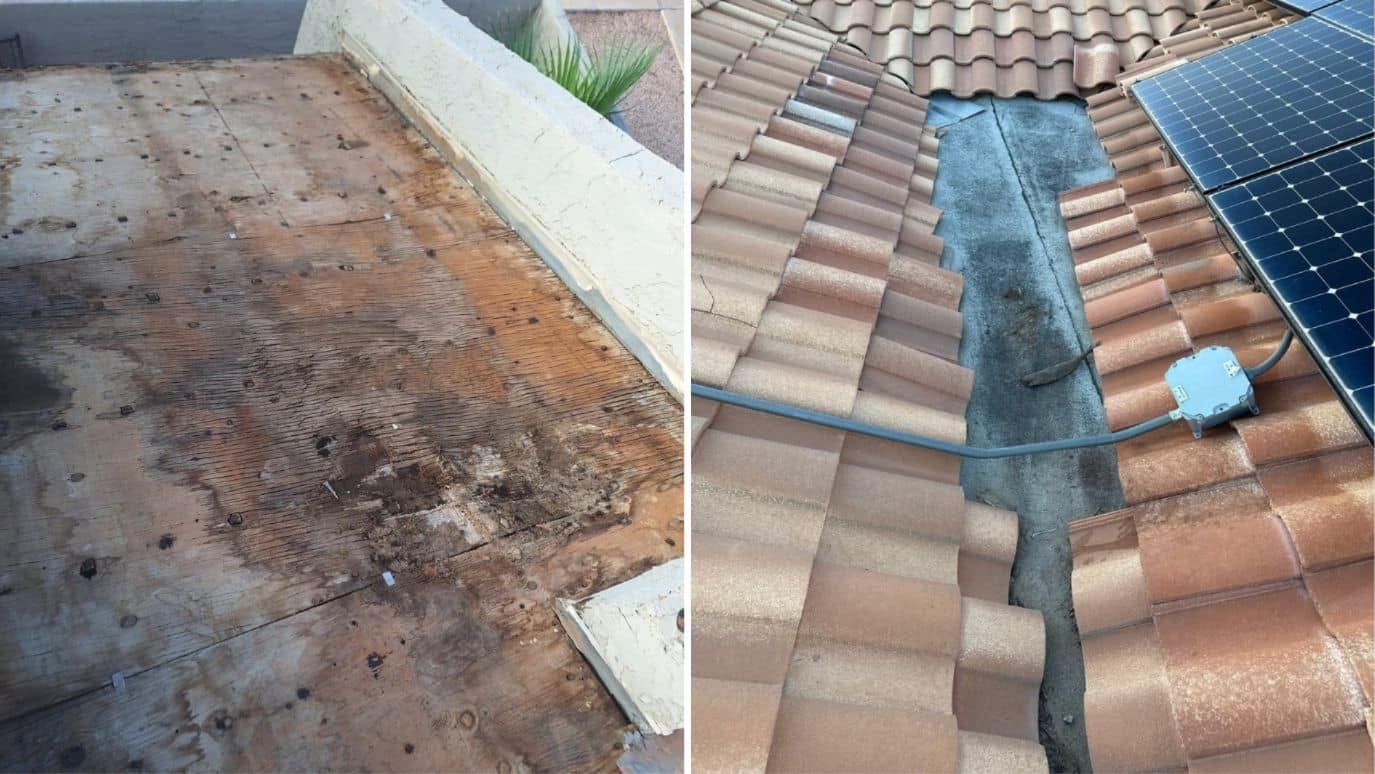
3. Failing Tile Roof Underlayment
Underlayment is the waterproof barrier beneath roof tiles, and over time it naturally deteriorates under Phoenix’s intense heat.
Why Underlayment Fails in Arizona
Traditional roofing felt and older underlayment materials gradually dry out in Arizona’s extreme climate. Continuous exposure to high temperatures causes these materials to become brittle and lose their waterproofing ability.
Although roof tiles protect the underlayment from direct sun exposure, heat still builds up beneath the tiles. Over the years, this heat accelerates aging and can eventually lead to cracking or deterioration of the underlayment.
What To Do About It
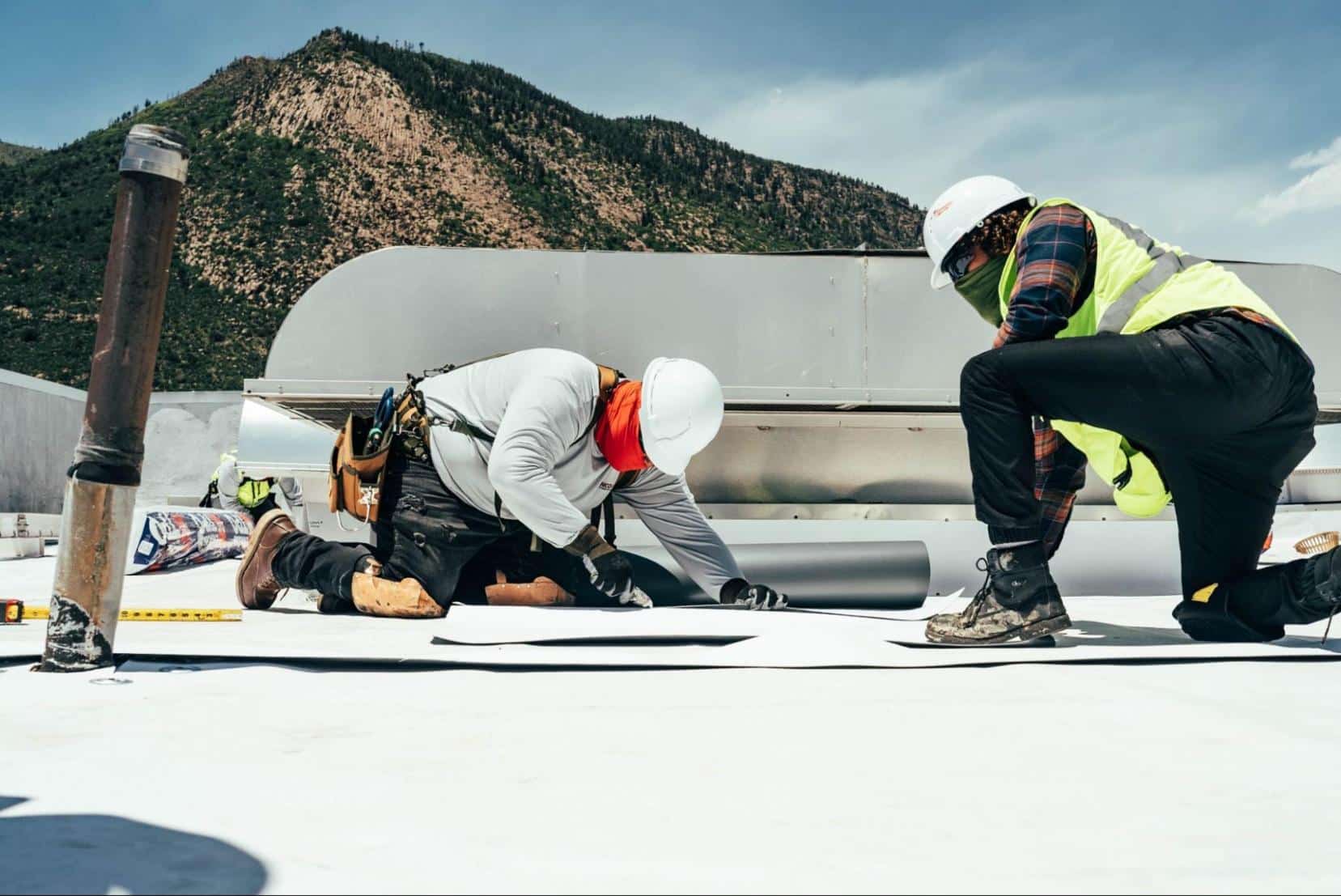
When underlayment reaches the end of its lifespan, the roof typically requires a process known as lift-and-relay. During this process, roofing professionals remove the existing tiles, install new underlayment and waterproof barriers, and reinstall the tiles.
This approach preserves the existing tile while restoring the waterproof protection of the roof system.
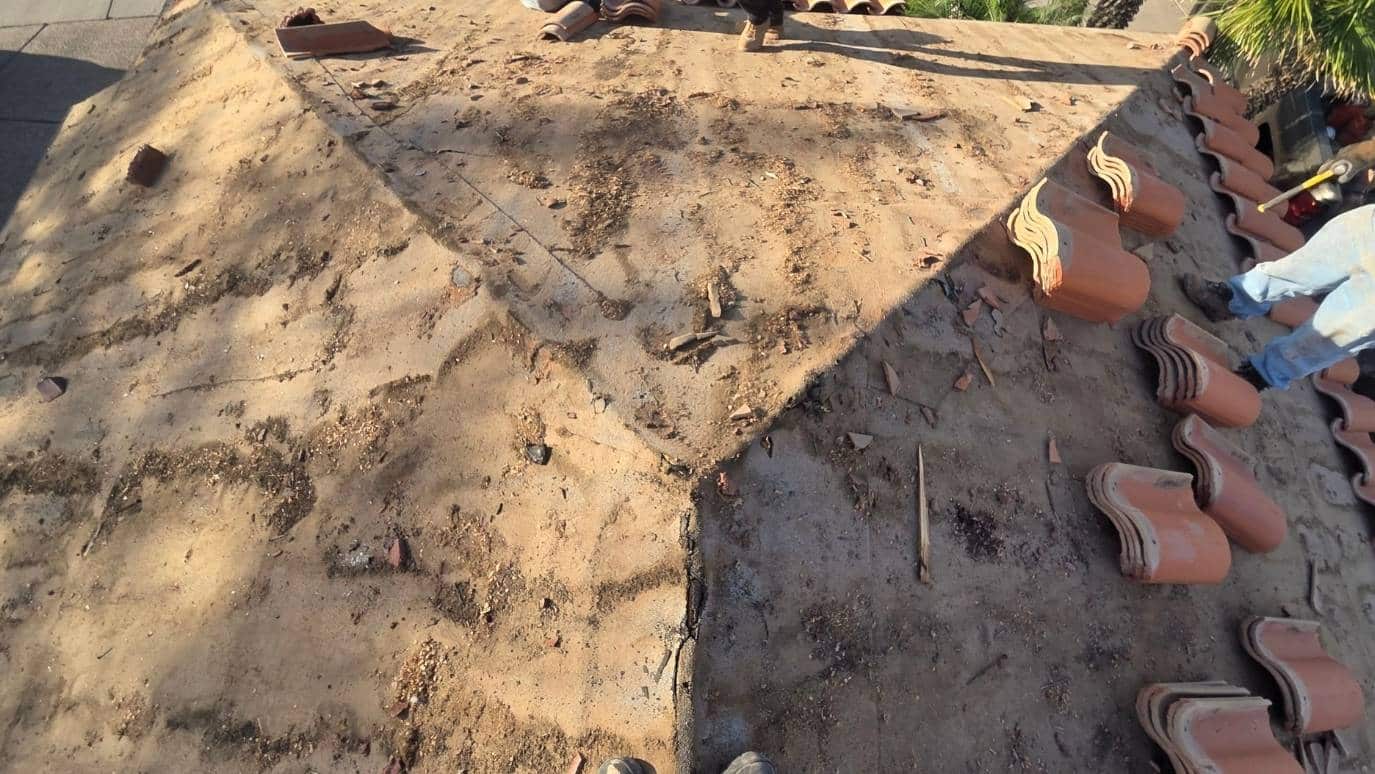
4. Dust and Debris Buildup on Tile Roofs
Phoenix dust storms and desert debris often accumulate beneath and between roof tiles, which can trap moisture and accelerate roof deterioration.
Why Debris Is a Problem for Tile Roofs
Desert dust, leaves, and small debris can settle in roof valleys, around flashing, and beneath tiles. Over time, this debris can trap moisture during monsoon storms, causing premature deterioration of underlayment and metal flashing.
In some cases, debris buildup can also interfere with proper water drainage. Instead of flowing quickly off the roof, water may pool or remain in certain areas longer than intended. This prolonged moisture exposure can increase the risk of leaks.
What To Do About It
Tile roofs should be professionally inspected and cleaned periodically to remove accumulated debris. Roofing professionals can safely clear debris, check flashing, and confirm that drainage pathways remain unobstructed.
Regular cleaning and inspections help maintain proper water flow and reduce the risk of long-term roof damage.
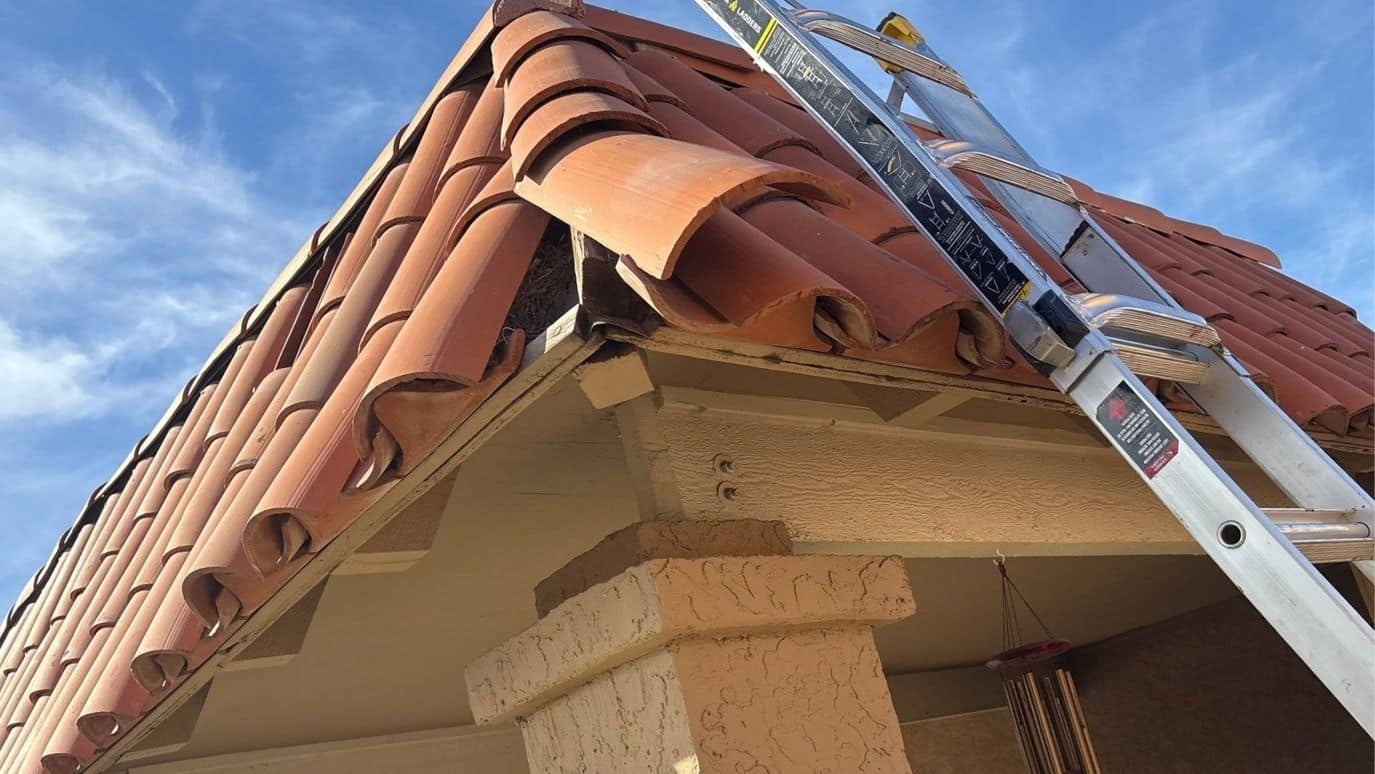
5. Damaged Roof Flashing
Flashing is a critical component of any roofing system and protects roof penetrations from water intrusion.
Why Flashing Fails
Roof flashing can fail due to corrosion, improper installation, or simply age. Metal flashing expands and contracts with temperature changes, which can eventually weaken the seal between the flashing and surrounding roofing materials.
Over time, sealants may also dry out and crack, allowing water to penetrate vulnerable areas such as chimneys, skylights, and roof vents.
What To Do About It
Repairing flashing typically requires temporarily removing surrounding tiles so the flashing can be properly replaced or resealed. Once repairs are completed, tiles are carefully reinstalled to restore the roof system.
Professional repair ensures the flashing creates a durable watertight seal and protects the home from future leaks.
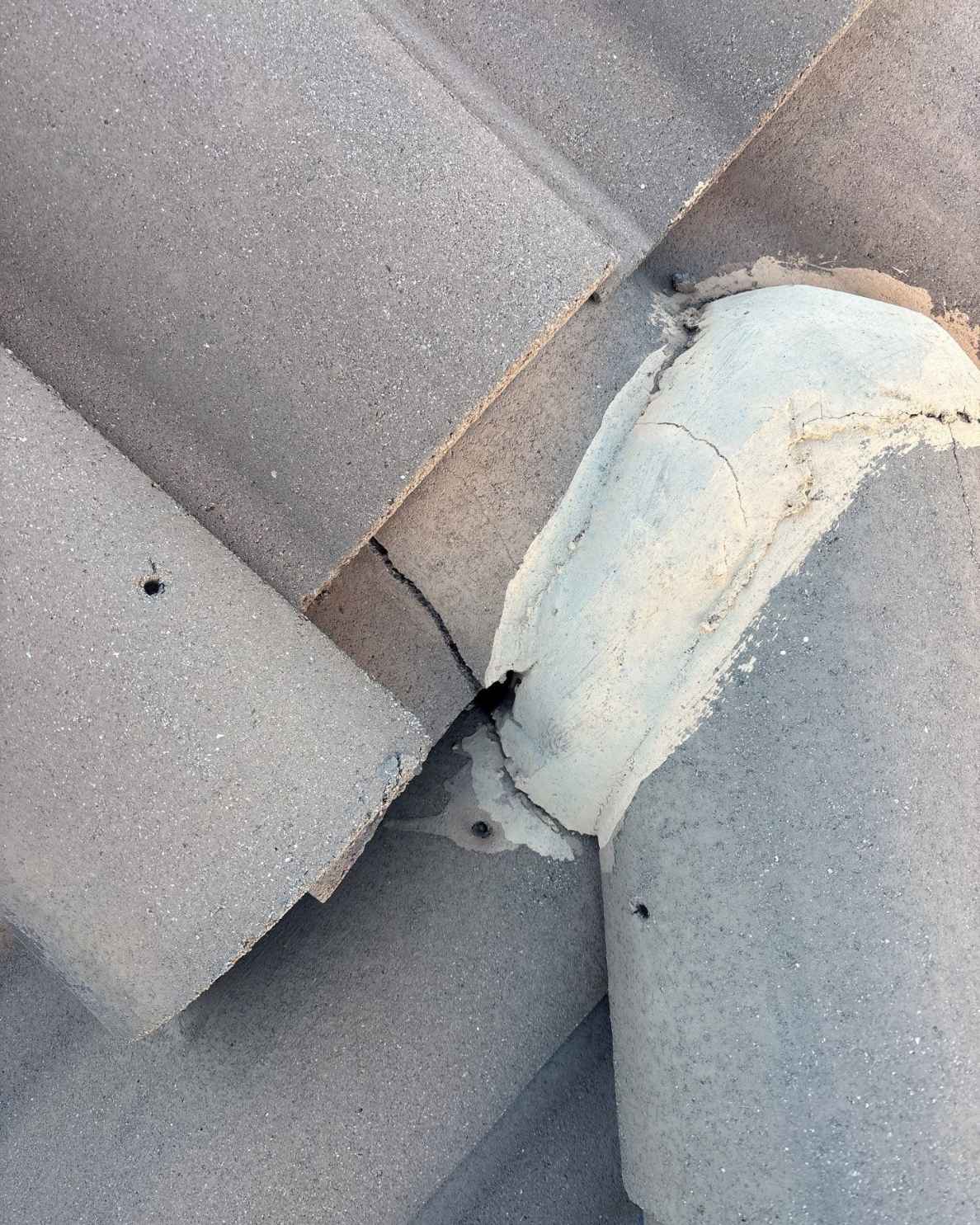
6. Mortar Deterioration on Ridge Tiles
Mortar used to secure ridge tiles eventually cracks and deteriorates due to Arizona’s extreme heat and weather conditions.
Why Mortar Breaks Down
Ridge mortar is constantly exposed to direct sunlight and temperature fluctuations. Over time, expansion and contraction weaken the mortar, causing it to crack or crumble.
Once the mortar deteriorates, ridge tiles may become loose or shift out of place, which can expose the roof structure to wind-driven rain and debris.
What To Do About It
Repairing ridge mortar typically involves rebedding the ridge tiles with fresh mortar or installing modern mechanical ridge systems designed for improved durability and flexibility.
These repairs restore the roof’s structural integrity and help protect the ridge area from water intrusion.
7. Poor Roof Ventilation
Improper roof ventilation can lead to excessive attic heat and accelerate the deterioration of roofing materials.
Signs of Ventilation Problems
A poorly ventilated attic can trap large amounts of heat beneath the roof. In Phoenix, attic temperatures can exceed 160°F during summer months if ventilation is insufficient.
Common signs of ventilation problems include extremely hot attic spaces, higher cooling costs, and premature deterioration of roofing materials such as underlayment and sealants.
What To Do About It
A roofing professional like RENCO Roofing can evaluate the home’s ventilation system and recommend improvements such as ridge vents, attic vents, or intake ventilation. Improving airflow helps regulate attic temperatures and extends the lifespan of roofing materials.
8. Poor Roof Maintenance
Even durable tile roofs require occasional maintenance. Without periodic inspections and care, small roofing issues can gradually develop into more serious problems.
Why Maintenance Is Often Overlooked
Tile roofs have a reputation for lasting decades, which can lead homeowners to believe they require little attention. While the tiles themselves are extremely durable, the components beneath them – such as underlayment, flashing, and mortar – naturally wear over time.
Without routine inspections, minor issues like cracked tiles, aging mortar, or small flashing gaps may go unnoticed. Over time, these small problems can allow moisture to penetrate the roof system, leading to larger and more expensive repairs.
What To Do About It
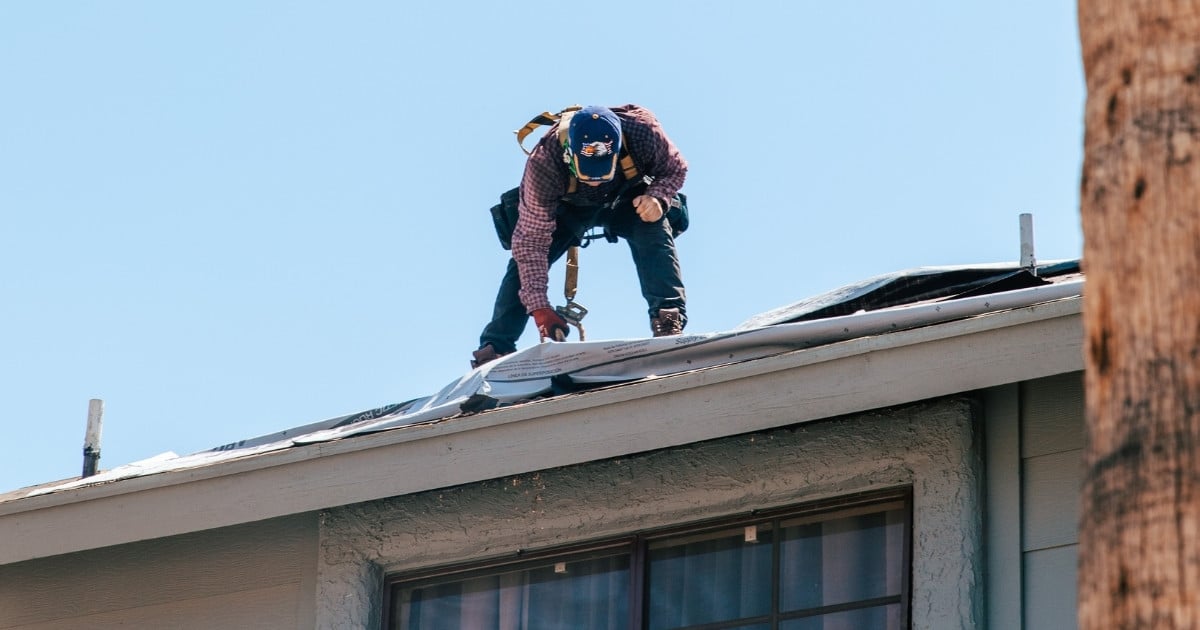
Scheduling routine roof inspections and professional cleaning helps identify potential issues early. Roofing professionals can safely evaluate the condition of tiles, flashing, and underlayment while addressing minor repairs before they escalate.
Regular maintenance services like those offered through RENCO’s roof maintenance and cleaning program help extend the lifespan of the roofing system and keep it performing reliably year after year.
Protect Your Tile Roof Before Phoenix Monsoon Season
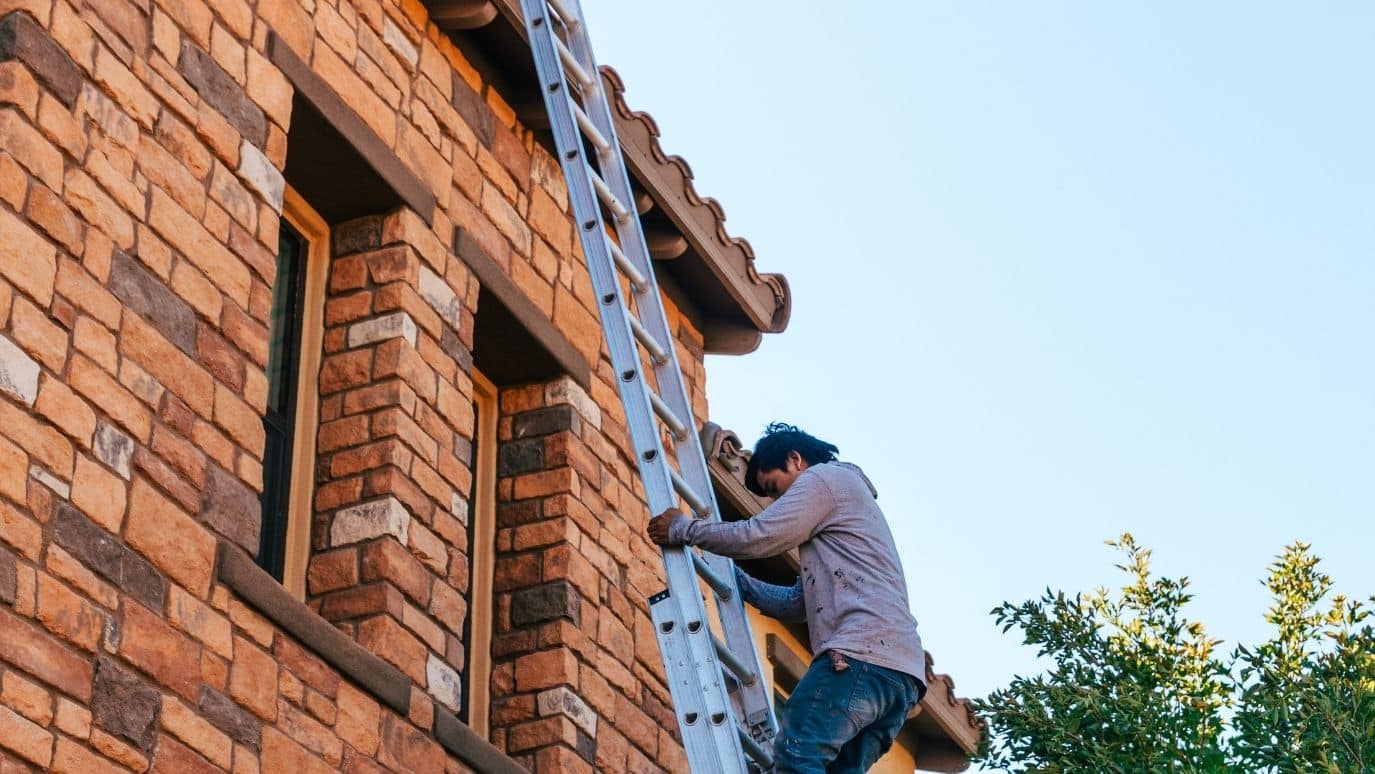
Most tile roof problems start small but become expensive when ignored. Cracked tiles, aging underlayment, damaged flashing, or debris buildup can gradually lead to leaks and structural damage if left unaddressed.
Scheduling a professional inspection before Phoenix’s monsoon season allows roofing experts to identify potential problems early and recommend the right repairs. Proactive maintenance protects both the roof and the home beneath it, helping homeowners avoid unexpected roofing emergencies during severe weather.