Robert Clark, Residential Sales Specialist
Last Updated: August 2026
The Quick Answer
Many homeowners are comfortable financing cars, furniture, appliances, or electronics, even though those items usually lose value over time. Roof work is different because it protects the home itself. A roof repair, underlayment replacement, foam recoat, or full roof replacement may not return every dollar in resale value, but it can help protect the structure, reduce the risk of interior damage, and preserve the condition of the home.
Not every financing offer is a good idea. Monthly payments can make a large project feel more affordable, but the details matter. Interest rate, loan term, promotional period, fees, prepayment rules, and total cost should all be understood before you sign.
Financing roof work is not automatically good or bad. It depends on the condition of your roof, the cost of the work, the loan terms, your cash position, and whether waiting could create a bigger problem.
The best roof financing option is not always the one with the lowest monthly payment. It is the one that helps you solve the roof problem responsibly without creating a financial surprise later.
Why Homeowners Consider Financing Roof Work
Most homeowners do not plan their year around buying a roof.
Roof problems often show up at inconvenient times. A monsoon leak appears after a storm. A home inspection finds roof concerns before a sale. An older tile roof starts showing underlayment failure. A foam roof needs recoating before the surface breaks down further. A repair turns into a bigger project once the roof is inspected.
When the roof needs work, the timing may not line up with the homeowner’s savings.
That is where financing can become a practical tool. It can help a homeowner move forward with needed roof work instead of delaying until the problem becomes worse. This is especially true when waiting could allow the problem to spread beyond the roof and lead to damage inside the home, wet insulation, drywall repairs, decking replacement, or repeated temporary fixes.
Financing should not be used to hide the real cost of a project. It should be used to make a necessary project manageable.
Why Financing Your Roof Makes More Sense than Financing Your Car
There is nothing unusual about financing a major purchase. Many people finance vehicles, furniture, phones, appliances, and electronics without thinking much of it.
The difference is that those items usually lose value quickly.
Roof work is tied to the home. A roof protects the structure, the interior, the insulation, the walls, the ceilings, and the belongings inside. It can also affect whether a home is easier to insure, easier to maintain, and easier to sell.
For some homeowners, paying cash is the best option. For others, financing allows them to fix the roof before the damage spreads. The right choice depends on the roof condition and the financial terms.
When Financing Roof Work Makes Sense for You
Financing can make sense when the roof work is necessary, the payment fits your budget, and the terms are clear.
For example, financing may be worth considering if your roof has an active leak, failing tile underlayment, worn foam coating, recurring repair issues, or storm damage. These are the types of problems that may continue to spread if ignored, turning a manageable roofing project into interior damage, decking repairs, insulation problems, or repeated temporary fixes.
It can also make sense if you are planning to stay in the home and want the roof work done correctly instead of choosing a smaller temporary repair that does not solve the bigger issue.
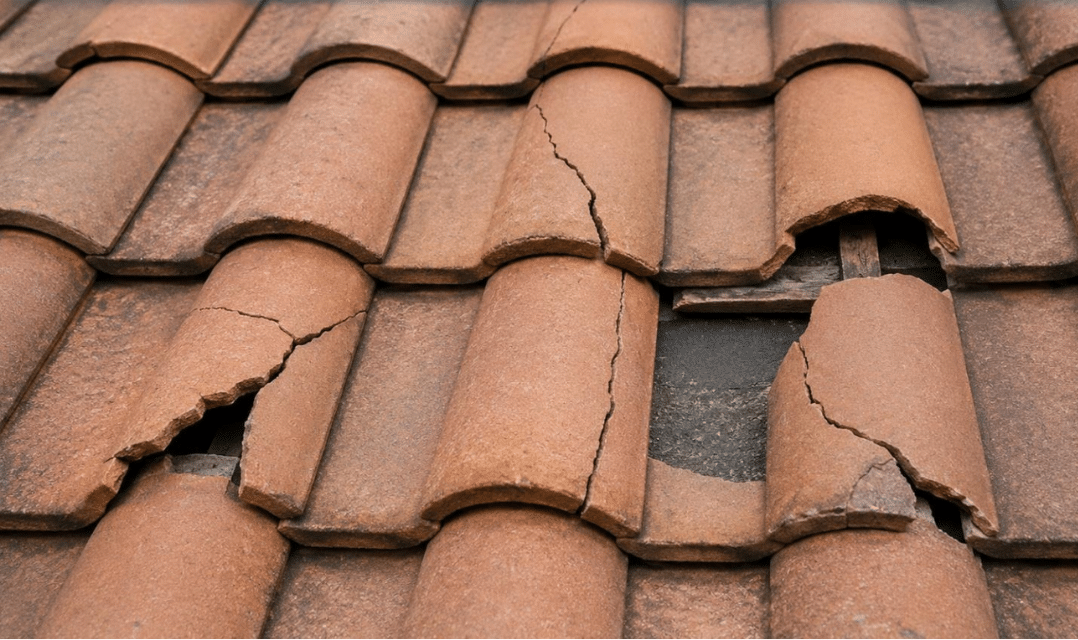
This comes up often with tile roofs in Phoenix. The visible tile may still look acceptable, but the underlayment beneath it may be near the end of its life. In that situation, a small repair may help for a while, but it may not solve the larger problem if the underlayment is failing in multiple areas. [For more on that decision, see our article on The Best Underlayments for Tile Roofs in Phoenix].
Financing can also help when waiting carries a real cost. If water is already entering the home, delaying the work may lead to damage beyond the roof itself.
Many homeowners put off roof work because the timing is inconvenient. That is understandable. But if a roof is already showing signs of failure, waiting can turn a manageable project into interior water damage, damaged drywall, ruined insulation, or damage to personal belongings inside the home.
In that sense, financing is not just about affordability. It can also be a preventative tool that helps a homeowner address a real roof problem before the next monsoon forces the issue.
That does not mean every roof problem is urgent. It means the cost of waiting should be part of the decision.

When Financing May Not Be the Best Choice For You
Financing may not be the best choice if the roof issue is minor, the repair is affordable, or the financing terms are too expensive.
A small repair may not need financing at all. In other cases, it may be better to pay cash for part of the work and finance the rest. Homeowners should also be careful about stretching a loan term too far just to create a lower monthly payment.
A low monthly payment can look attractive, but a longer term may increase the total amount paid over time. That is not always wrong, but it should be understood.
Financing is also risky if the homeowner does not understand the promotional terms. Some offers advertise no interest for a set period, but the details may be very different depending on the lender. If the balance is not paid in full before the promotional period ends, the interest cost can change dramatically.
Before choosing financing, make sure you understand the payment, the interest rate, the repayment period, the fees, and what happens if you pay it off early.
Be Careful Using a Credit Card for Major Roof Work
A credit card may seem like the fastest way to pay for roof work, but it is not always the best option for a large project.
Credit cards often have higher interest rates than other financing options. If the balance is not paid off quickly, the interest can add up fast.
There is also a credit score issue to consider. Putting thousands of dollars on a credit card can increase your credit utilization, which is the percentage of available credit you are using. A high balance can affect your credit profile, even if you are making payments on time.
That does not mean a credit card is always wrong. If you can pay the balance in full right away, or if you are using a true 0% promotional offer and understand the deadline, it may be an option.
But for many homeowners, a dedicated home improvement loan, contractor-arranged financing, HELOC, or home equity loan may be a cleaner way to keep revolving credit lines open and avoid high-interest credit card debt.
Common Ways to Finance Roof Work
There is more than one way to finance roof repairs or roof replacement. The best option depends on the size of the project, your credit profile, your home equity, how quickly the work needs to be done, and whether you want the loan secured by your home.
Not every option will be available to every homeowner. Some require equity. Some require stronger credit. Some are faster than others. Some are secured by the home, and some are not.
The important thing is to compare more than the monthly payment.
Common roof financing options include contractor-arranged financing, promotional financing, personal or home improvement loans, credit union or bank loans, HELOCs, and home equity loans.
Each option has tradeoffs.
Contractor-arranged financing can often move quickly and may be useful when the roof problem needs attention soon. Promotional financing may be helpful if you can pay off the balance during the promotional period. Personal or home improvement loans may work for homeowners who do not want to use home equity. A HELOC or home equity loan may offer flexibility or longer repayment terms, but it usually takes longer and uses the home as collateral.
The right option depends on your situation.
Important Note About HELOC Timing
A HELOC may be a good option for homeowners with enough equity, but it usually takes longer than contractor-arranged financing or an unsecured personal loan.
Many lenders require credit review, income verification, homeowners insurance verification, and some form of property valuation. Depending on the lender, that may be an automated valuation, drive-by appraisal, or full appraisal.
A roof inspection is not always required, but obvious roof issues may become a concern if the lender, appraiser, or insurance company questions the property’s condition or insurability.
For homeowners dealing with an active leak or urgent roof problem, a HELOC may not move fast enough. Approval can take a few days to several weeks, and a straightforward application may still take around 3–4 weeks.
This does not mean a HELOC is a bad choice. It means timing matters. If the roof issue can wait, a HELOC may be worth exploring. If the roof issue is urgent, you may need a faster option.
Using Short-Term Financing as a Bridge
Some homeowners use contractor-arranged financing as a temporary bridge while waiting for another financing option to come through.
For example, a homeowner may prefer to use a HELOC, bank loan, or credit union loan, but that approval process may take several weeks. If the roof problem is urgent, short-term promotional financing may allow the work to move forward sooner.
Then, once the homeowner’s preferred financing is ready, they may choose to pay off the temporary financing.
This can work well when the terms are clear, especially if the promotional period offers no interest for a limited time. But the details matter. Ask whether there are fees, whether interest is deferred, whether there is a prepayment penalty, and what happens if the balance is not paid off before the promotional period ends.
Some homeowners also look at 0% balance transfer offers, but those may include upfront transfer fees and strict deadlines. Read the terms carefully before using that strategy.
A bridge strategy can be useful, but only if you understand the timeline, payoff rules, fees, and backup plan.
Important Note About Cross-Collateralization if You Use a Credit Union
Credit unions can be a good place to look for roof financing because they may offer competitive rates and personal service. But if you already have other accounts or loans with the same credit union, ask how those accounts are connected.
Some credit union loan agreements may include cross-collateralization, cross-default, setoff, or acceleration language. In plain English, that means a problem with one loan or account could affect another loan or account with the same institution.
For example, if you have a roof loan, auto loan, credit card, checking account, or savings account with the same credit union, ask whether defaulting on one obligation could affect the others. Also ask whether the credit union has the right to take funds from your deposit account, call another loan due, or treat another loan as being in default.
This does not mean credit union financing is bad. It means the loan documents should be understood before you sign.
Be Careful With ‘No Interest’ Offers
Promotional financing can be helpful when used correctly, but homeowners need to understand the difference between true 0% interest and deferred interest.
A true 0% interest promotion generally means interest does not accrue during the promotional period.
Deferred interest is different. With deferred interest, you may avoid paying interest only if the full balance is paid off before the promotional period ends.
If the balance is not paid in full by the deadline, interest may be charged based on the original purchase or loan amount going back to the beginning of the promotional period. That can create a much larger cost than the homeowner expected.
This does not mean promotional financing is bad. It means the deadline matters.
If you are considering a promotional financing offer, ask the lender to explain exactly what happens if the balance is not paid in full by the end of the promotional period. Do not rely only on the phrase “no interest.”
Ask About Prepayment, Early Payoff, and Early Closure Fees
Many unsecured home improvement loans allow homeowners to pay off the balance early without a prepayment penalty. That can be useful if you plan to pay extra each month or pay off the loan after receiving a bonus, tax refund, home sale proceeds, or other funds.
Still, you should confirm the terms before signing.
Ask whether there is a prepayment penalty, early payoff fee, or any other cost if you pay the loan off ahead of schedule.
With HELOCs and home equity loans, the wording may be different. The lender may not call it a prepayment penalty, but there may be an early closure fee or a requirement to repay closing costs that were waived when the account was opened. This can happen if you close the line of credit within the first few years.
That does not automatically make a HELOC or home equity loan a bad option. It simply means the details should be clear.
A good question to ask is: “If I pay this off early or close the account early, will I owe any fee, penalty, or recapture of waived costs?”
Questions to Ask Before Financing Roof Work
Before financing a roof repair or replacement, ask questions that help you understand the full cost and the risk.
Start with the basics.
- What is the total project cost?
- What is the monthly payment?
- What is the interest rate?
- Is the rate fixed or variable?
- How long is the term?
- Are there origination fees, dealer fees, closing costs, or other charges?
Then ask what happens if you pay it off early. Some loans allow early payoff with no penalty. Others may have fees, especially if the loan is tied to home equity or if closing costs were waived.
If the offer includes promotional financing, ask whether it is true 0% interest or deferred interest. Ask what happens if one dollar remains unpaid after the promotional period ends.
You should also ask whether the financing is secured or unsecured. A secured loan, such as a HELOC or home equity loan, uses the home as collateral. An unsecured personal loan usually does not, but the interest rate may be higher.
If you are using a credit card or balance transfer, ask about the interest rate, transfer fee, promotional deadline, minimum payment, and what happens when the promotional period ends.
These questions are not meant to make financing feel complicated. They are meant to help you compare options clearly.
Financing Should Not Replace a Clear Roofing Proposal
Financing can help with affordability, but it does not fix a vague roofing proposal.
Before deciding how to pay for the roof work, make sure you understand what you are paying for. The estimate should explain the diagnosis, the scope of work, the materials being used, what is included, what is excluded, and what could change the final cost.
This matters because a lower monthly payment does not automatically mean a better roofing decision. If one proposal leaves out important materials, flashing details, underlayment quality, coating requirements, or hidden damage language, the financing terms may distract from the real issue.
A clear roofing estimate should come before the financing decision. For more on this, see our article on [What Should Be Included in a Roofing Estimate?].
Cash, Financing, or a Combination
Paying cash is simple if the funds are available and using them does not create financial stress.
Financing may be better if the roof work is needed now and paying cash would drain emergency savings or delay the project too long. Some homeowners choose a combination, using cash for part of the project and financing the rest to keep monthly payments lower.
There is no single right answer for every homeowner.
The right payment method should fit the roof condition, the project size, the homeowner’s budget, and the financing terms. A responsible roofing company should be able to explain the roof work clearly. A responsible lender should be able to explain the financing clearly.
You need both before making a confident decision.
Financing Resources and Local Lending Contacts
Some homeowners need more than one financing option to compare.
For example, a homeowner may be self-employed, may be waiting on a HELOC, may need a faster approval timeline, or may want to compare contractor-arranged financing with a bank, credit union, or home equity option.
Depending on your situation, Renco Roofing may be able to point you toward financing resources, including local lending contacts who understand home improvement projects.
This can be especially helpful for homeowners who need to compare options beyond standard contractor-arranged financing.
Any loan approval, terms, rates, fees, or timeline still depend on the lender and the homeowner’s financial profile. The goal is not to push one financing path. The goal is to help homeowners understand their options clearly.
Bottom Line
Financing roof work can be a responsible choice when the roof needs attention, the terms are clear, and the payment fits your budget.
It can help homeowners move forward with needed repairs, underlayment replacement, foam recoating, or roof replacement before the problem becomes more expensive. It can also protect cash reserves instead of forcing a homeowner to use all available savings at once.
But financing should not be treated casually. The monthly payment is only one part of the decision. Interest rate, loan term, fees, promotional rules, credit card utilization, balance transfer fees, early payoff terms, and total cost all matter.
The honest truth is that financing is a tool. Used carefully, it can help you protect your home. Used without understanding the terms, it can create avoidable financial stress.
What to Do Next
If you are considering financing roof work, start by understanding the roof problem first.
Find out whether you need a repair, maintenance, recoating, underlayment replacement, or full roof replacement. Then review the proposal and financing terms separately.
At Renco Roofing, our goal is to explain what your roof needs, what your options are, and what the work includes so you can make a clear decision.
If financing is part of that decision, make sure you understand the monthly payment, total cost, promotional terms, credit impact, fees, early payoff rules, and what happens if the balance is not paid off during the promotional period.