Robert Clark, Residential Sales
Last Updated: August 2026
The Quick Answer
Insurance may pay for roof replacement in Phoenix if the damage was caused by a covered event, such as wind, hail, falling debris, or sudden storm damage.
But insurance usually does not pay to replace a roof simply because it is old, worn out, poorly maintained, or near the end of its useful life.
In Phoenix, many roof problems come from long-term heat exposure, aging tile underlayment, foam coating wear, brittle shingles, ponding water, or lack of maintenance. Those issues may still require repair or replacement, but they do not automatically qualify for insurance coverage.
A roof inspection can help document the condition of the roof and identify whether the problem appears storm-related, age-related, or part of a larger roofing issue. Your insurance company makes the final coverage decision.
Why Roof Insurance Claims Are Confusing
Roof insurance claims are confusing because homeowners and insurance companies often look at the problem differently.
From the homeowner’s perspective, a leaking roof is a damaged roof. From the insurance company’s perspective, the question is usually: what caused the damage?
That difference matters.
If a monsoon storm breaks tiles, lifts shingles, damages flashing, drops debris on the roof, or creates a sudden opening that allows water into the home, the claim may be worth discussing with your insurance company.
But if the roof is leaking because the tile underlayment is old, the foam coating has worn down, shingles have deteriorated from heat, or the roof has not been maintained, the insurance company may treat that as wear and tear rather than a covered loss.
This is why two homeowners can both have roof leaks, but only one may have a valid insurance claim. The issue is not just whether the roof is leaking. The issue is what caused the roof to leak.
Homeowners insurance is not a roof maintenance plan. It may help with sudden covered damage, but it usually does not pay for the normal cost of owning, maintaining, or replacing an aging roof.
What Insurance Is More Likely to Cover
Insurance is more likely to apply when roof damage is sudden and caused by a covered event.
In Phoenix, that may include wind damage, hail damage, falling tree limbs, storm debris, or sudden damage from an outside event. Monsoon storms are a common example because strong wind, wind-driven rain, flying debris, and hail can affect roofs quickly.
Possible examples include:
Wind breaking or displacing tiles
Hail damaging shingles or metal components
A tree branch falling onto the roof
Flying debris puncturing or damaging a roof system
Sudden storm damage creating an opening that allows water into the home
Even then, coverage depends on the policy, deductible, exclusions, roof condition, roof age, and how the insurance adjuster evaluates the damage.
A covered storm event does not automatically mean the entire roof will be replaced. In some cases, insurance may only pay for the damaged portion. In other cases, a larger scope may be considered if the damage is widespread or if the policy and claim evaluation support it.
That decision belongs to the insurance company.
If your roof was damaged during a recent storm and you need immediate next steps, see: [Help! I Have Roof Damage From a Storm. What Should I Do Next?]
What Insurance Usually Does Not Cover
Insurance usually does not pay for normal roof aging.
That includes wear and tear, old materials, lack of maintenance, gradual deterioration, long-term leaks, poor installation, rodent damage, bird damage, or roof systems that have reached the end of their useful life.
For Phoenix homeowners, this is important because many common roofing problems are not sudden storm events.
Tile roofs often leak because the underlayment beneath the tile has aged, cracked, curled, or failed. The tile may still look fine, but the hidden waterproofing layer may no longer be protecting the roof deck. For more on this issue, see [What Causes Tile Roof Leaks in Phoenix?]
Foam roofs may need recoating because the protective coating has worn down from sun exposure, roof traffic, ponding water, or age. If hail or debris caused sudden damage, that may be a different situation. But a worn coating by itself is usually considered maintenance. For more on that decision, see [Foam Roof Repair vs. Recoating vs. Replacement]
Shingle roofs may become brittle, lose granules, curl, crack, or wear out faster under Arizona heat. Those problems may still need to be fixed, but they are usually maintenance or replacement issues, not automatically insurance claims.
A simple way to think about it is this:
Insurance may help with sudden damage, but it usually does not pay for the normal cost of maintaining or replacing an aging roof.

Insurance May Cover More Than the Roof
If a covered storm damages your roof and water gets into the home, the claim may involve more than roof repair or replacement.
Depending on your policy and the cause of the damage, insurance may also review interior drywall, paint, insulation, flooring, personal property, temporary protection, or other related costs.
This does not mean every item will be covered. It depends on the policy, the cause of the loss, the deductible, exclusions, and how the insurance company evaluates the claim.
If temporary protection is needed, such as tarping a damaged area, document the work, take photos, and save receipts. Your insurance company can explain whether those costs are covered under your policy.
RCV vs. ACV: Why Your Policy Type Matters
Even if your claim is approved, your policy type can make a big difference in how much money you actually receive.
Two common terms homeowners may see are replacement cost value and actual cash value.
Replacement Cost Value, often called RCV, generally means the policy is based on the cost to repair or replace the damaged property without deducting for depreciation, subject to the policy terms.
Actual Cash Value, often called ACV, generally means depreciation is considered. In plain English, the insurance company may subtract value for age, wear, or condition.
Some roof policies may also reduce payment as the roof gets older. This can happen through actual cash value coverage, depreciation, or a roof-specific payment schedule.
That can create a large out-of-pocket gap on an older roof.
For example, if the covered roof damage is estimated at $15,000, but the roof has $10,000 in depreciation and a $1,000 deductible, the actual payment may be much lower than the replacement cost.
This is why homeowners should not assume “insurance approved the claim” means “insurance is paying for the whole roof.”
Before assuming what insurance will cover, ask your insurance company:
Is the roof covered at replacement cost value or actual cash value?
Is depreciation recoverable or non-recoverable?
What deductible applies?
Is there a separate wind or hail deductible?
Are there roof age limitations, exclusions, or payment schedules?
These details can affect whether the insurance payment is enough to complete the work.
The Deductible Still Matters
The deductible is the part of the claim the homeowner is responsible for paying.
If the roof damage is minor and the repair cost is below your deductible, filing a claim may not help financially.
For example, if a repair costs $900 and your deductible is $2,500, insurance may not provide payment even if the damage is technically related to a covered event.
Some policies may also have separate deductibles for wind or hail. That can change the math.
Before filing a claim, it helps to understand the estimated repair cost, your deductible, and whether the damage appears sudden, storm-related, and significant enough to justify a claim.
Before You File a Claim, Understand the Risk
Before filing a roof insurance claim, make sure there is a reasonable basis to believe the damage may be covered.
Many homeowners assume there is no downside to calling the insurance company and asking them to look at the roof. But once a claim is opened, it may still become part of your insurance history, even if the claim is denied or no money is paid.
Insurance companies may look at claim history when reviewing future rates, renewals, or coverage. A denied roof claim does not always disappear just because the insurance company did not pay for the roof.
There is another risk. If the insurance company inspects the roof and determines the problem is age, wear and tear, or lack of maintenance, they may require the homeowner to repair or replace the roof by a certain deadline in order to keep coverage.
That can put a homeowner in a difficult position. What started as a possible repair question may turn into a requirement to replace the roof in order to keep the home insured.
This does not mean you should avoid filing a legitimate claim. If a storm caused real damage, filing a claim may be the right step.
But it does mean you should not file casually just because the roof is leaking. Start by understanding the roof condition, the likely cause of the problem, your deductible, and your policy.
What a Roofer Can and Cannot Do
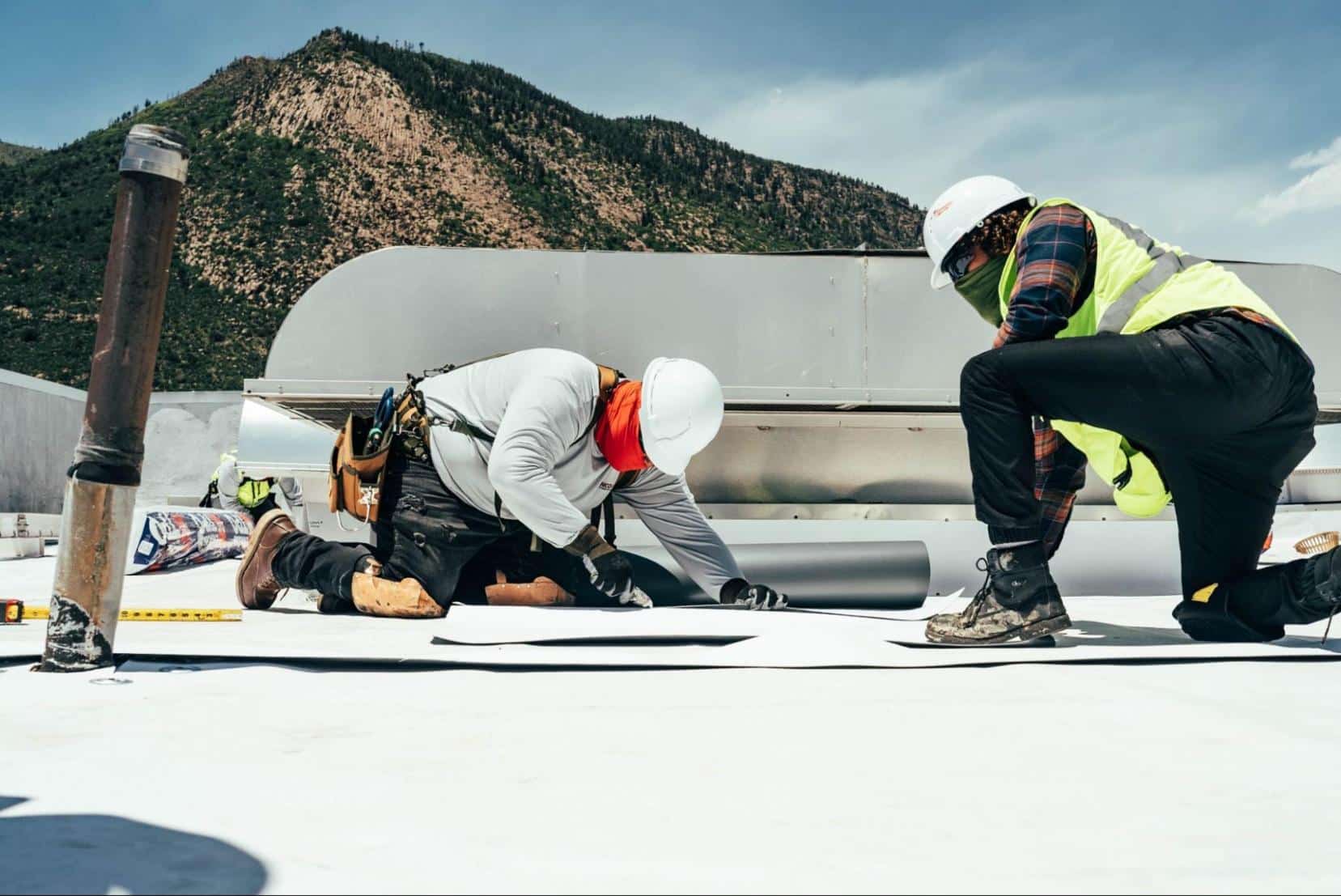
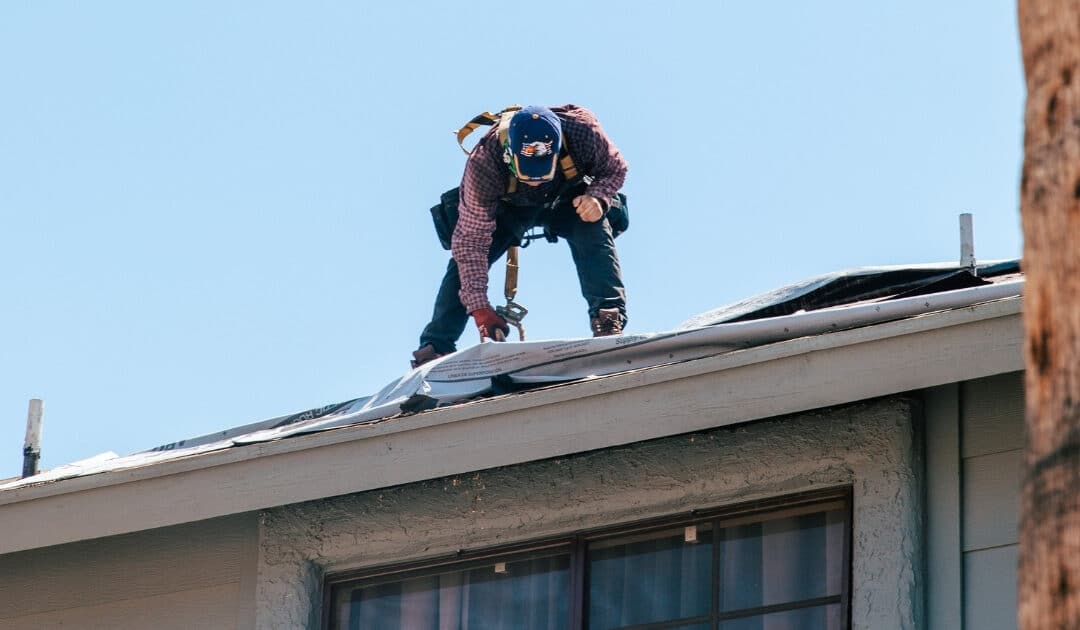
A roofer can inspect the roof, document visible damage, take photos, explain roof conditions, provide a repair or replacement estimate, and help you understand whether the problem appears storm-related or age-related.
A roofer can also meet with the adjuster in some cases to point out roof conditions observed during the inspection.
But a roofer does not decide whether your insurance company will pay.
That decision belongs to the insurance company under the terms of your policy.
This is an important distinction. A contractor should not promise that insurance will cover your roof. They can document what they see. They can explain the roofing problem. They can provide a detailed estimate. But they should not guarantee claim approval.
Be careful with anyone who says, “Your insurance will definitely pay for this,” before the claim has been reviewed.
A more honest answer is:
We can document the roof condition and help you understand what we found. Your insurance company will determine coverage.
What Adjusters and Contractors May Look For
When storm damage is suspected, documentation matters.
An adjuster or contractor may look for broken or displaced tiles, lifted shingles, missing shingles, hail impacts, damaged vents, dented metal components, damaged flashing, debris impact, interior water stains, or signs that water entered suddenly during a storm.
On shingle roofs, hail may damage the surface and dislodge protective granules. Wind may lift or damage shingles, even if they are not completely blown off.
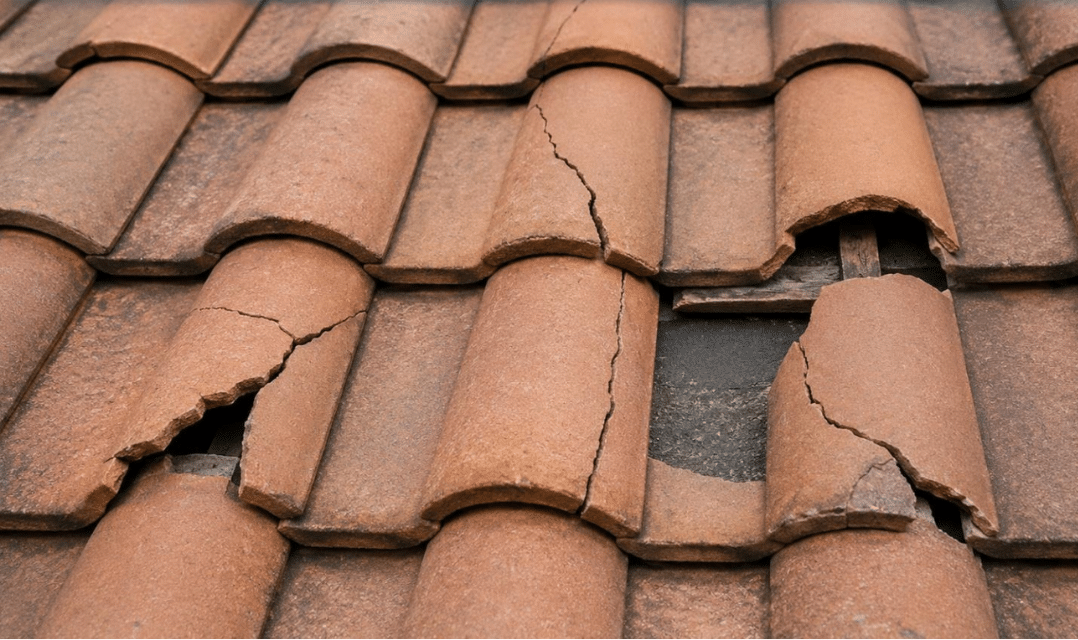
On tile roofs, storm damage may show up as cracked, broken, or displaced tiles, especially after heavy wind or impact from debris.
On foam or flat roofs, the inspection may focus on punctures, coating damage, ponding water, scuppers, parapet walls, seams, and penetrations.
No single sign automatically guarantees coverage. The main question is whether the evidence supports sudden storm damage rather than age, wear, or maintenance issues.
The Insurance Estimate May Not Be the Final Scope
An initial insurance estimate is not always the final word.
Sometimes additional items are found after work begins, or the first estimate may not include everything needed to restore the roof properly. This is where a supplement may come in.
A supplement is a request for additional payment or scope based on items that were missed, discovered later, or required to complete the repair properly under the policy and applicable requirements.
Examples may include hidden damaged decking, additional roof components, code-related requirements, or items not visible until the roof is opened.
This does not mean every project will have a supplement. It also does not mean every supplement will be approved.
But homeowners should know that roofing claims can change as more information becomes available. That is why documentation, photos, and clear communication are important.
Should You File an Insurance Claim?
Not every roof problem should become an insurance claim.
If the damage appears sudden, storm-related, and significant enough to exceed your deductible, it may be worth contacting your insurance company.
If the issue appears small, age-related, maintenance-related, or below your deductible, filing a claim may not make sense.
Before filing, it helps to understand what likely caused the damage, whether the issue appears sudden or long-term, the estimated repair cost, your deductible, and whether wind, hail, or another covered event may be involved.
For example, if a small repair costs less than your deductible, filing a claim may not help financially.
On the other hand, if a monsoon storm caused widespread roof damage and interior water intrusion, the situation may be different.
A roof inspection can help you understand what happened, but your insurance company or agent should answer policy-specific questions.
What If the Claim Is Denied or Underpaid?
A denied or underpaid claim does not always mean the conversation is over.
Homeowners can ask the insurance company to explain the decision. If the denial or payment seems unclear, ask for the specific policy language and the reason for the decision in writing.
You may also provide additional documentation, such as photos, contractor notes, repair estimates, weather information, or expert opinions.
If you and the insurance company agree that damage is covered but disagree about the amount, your policy may include an appraisal process. Appraisal is generally used to resolve disputes over the amount of loss, not necessarily whether the damage is covered in the first place.
If the issue becomes serious, homeowners may choose to speak with their insurance agent, insurance company, a licensed public adjuster, or an attorney.
This article is not legal advice. Claim disputes can be complicated, and deadlines may apply.
Be Careful With Storm Chasers and Claim Promises
After major storms, some homeowners are contacted by contractors who promise insurance approval, push for a quick signature, or suggest that they can help “make” the roof qualify for storm damage.
Be careful.
A contractor should document the roof condition honestly. They should not exaggerate damage, create damage, misrepresent old roof problems as storm damage, or promise that insurance will pay before the claim is reviewed.
You should also be cautious if a contractor offers to waive, cover, or “eat” your deductible. That may sound helpful, but it can create serious problems and may be a sign that the contractor is using the insurance claim to pressure the sale.
Also be careful about signing paperwork too early. Some contractors may ask homeowners to sign an agreement that requires them to use that contractor if the insurance claim is approved.
Before signing anything, make sure you understand whether you are agreeing only to an inspection or committing to hire that contractor.
A reputable roofer should make the process clearer, not more confusing. They should inspect the roof, document what they see, explain the difference between storm damage and age-related roof problems, and let the insurance company make the coverage decision.
Common Phoenix Examples
A tile roof leaks during a monsoon. Insurance may or may not apply. If wind broke tiles or caused sudden storm damage, the claim may be worth reviewing. If the leak came from old underlayment that has aged out over time, insurance may not cover replacement.
A foam roof is worn thin and needs recoating. This is usually maintenance, not an insurance claim. If hail or debris caused sudden damage to the foam system, that may be different.
A shingle roof has granule loss and brittle shingles. Normal aging and heat-related wear are usually maintenance issues. Sudden wind or hail damage may be treated differently.
A tree limb falls and damages the roof. This is more likely to be considered a claim event, depending on the policy and circumstances.
A roof has been leaking slowly for months. Long-term leaks and deferred maintenance are often harder to cover than sudden damage.
These examples are not guarantees. They simply show why cause matters so much.
Bottom Line
Insurance may pay for roof replacement when the damage is caused by a covered event, such as wind, hail, falling debris, or sudden storm damage.
But insurance usually does not pay to replace a roof simply because it is old, worn out, poorly maintained, leaking from age, or near the end of its useful life.
The cause of the damage matters. So does your policy.
Replacement cost, actual cash value, depreciation, deductibles, exclusions, and roof age can all affect how much insurance pays, even when a claim is approved.
Filing a claim should also not be treated casually. A claim may still become part of your insurance history even if it is denied or unpaid, and an inspection could lead the insurer to require roof repairs or replacement to keep coverage.
If you are unsure, start with a roof inspection and review your insurance policy. A roofer can document the roof condition and explain what they found. Your insurance company determines whether the damage is covered.
What to Do Next
If your roof was damaged after a storm or you are not sure whether the issue is storm-related or age-related, schedule a roof inspection.
At Renco Roofing, we inspect the roof, document visible damage, explain what we find, and help you understand whether the issue appears isolated, storm-related, age-related, or part of a larger roof problem.
The goal is not to promise insurance coverage. The goal is to give you clear information so you can make the right next decision.