Paul Huckins, HOA & Commercial Roofing
Date: June 6th, 2026
The Quick Answer (TL;DR)
In Phoenix, roofs age faster than many homeowners expect. And often, the real question is not whether the roof can be repaired — but whether continuing to repair it still makes financial sense.
Many roof repairs cost anywhere from a few hundred dollars to several thousand depending on the issue, roof type, and accessibility. When those repairs start becoming frequent — especially on older roofs — replacement sometimes becomes the more cost-effective long-term decision.
Replacement becomes the better option when problems are widespread, the waterproofing system is deteriorating, or repeated repairs are only delaying a larger issue.
Can Your Roof Be Repaired — and Should It Be?
When a roofing contractor tells you may need a new roof, it’s usually met with skepticism.
“Do I really need to replace the whole thing?”
It’s a fair question. A full roof replacement is a major investment, and nobody wants to do it unless it’s absolutely necessary.
The truth is that almost any roof can be repaired, at least temporarily. Experienced roofing technicians can often stop leaks, replace damaged sections, reseal penetrations, or patch isolated problem areas well enough to buy time. But that does not automatically mean repair is the best long-term decision.
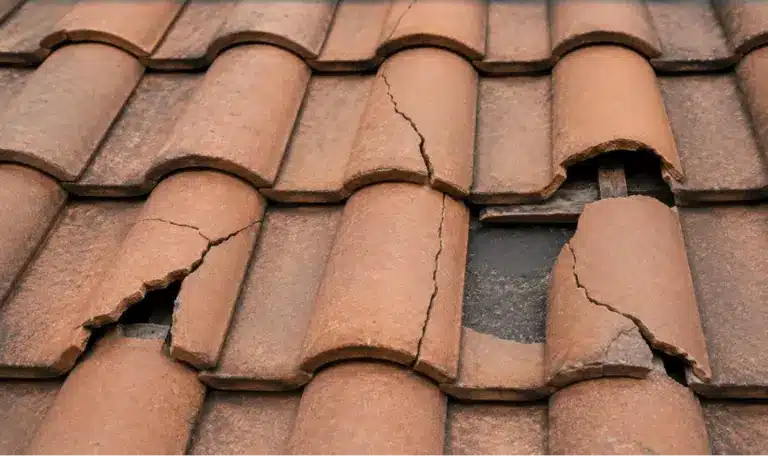
One of the challenges with roofing is that systems rarely fail all at once. More often, homeowners start noticing smaller warning signs over time: a leak after a storm, cracked or slipped tiles, ceiling stains, granule loss, or repairs that seem to keep happening in different areas of the roof.
At first, repairing the roof may absolutely make sense. In many situations, a targeted repair can extend the life of the roof for years.
But eventually, homeowners reach a point where they need to ask a different question: Are we actually fixing the problem, or are we simply extending the life of an aging roof a little longer?
That question becomes especially important when repairs start becoming more frequent or more expensive.
A repair that costs several hundred dollars may be completely reasonable. Even repairs in the low thousands can still make financial sense if the rest of the roof is still in good condition.
But when leaks continue returning, multiple sections are deteriorating, or the waterproofing system underneath is nearing the end of its life, repeated repairs can sometimes cost more long-term than solving the larger problem.
When A Roof Repair Is the Right Choice
Many roofs in Phoenix do not need immediate replacement.
Repairs often make sense when the issue is isolated, the surrounding materials are still in good condition, the roof is relatively new, or the problem was caused by a specific event like storm damage.
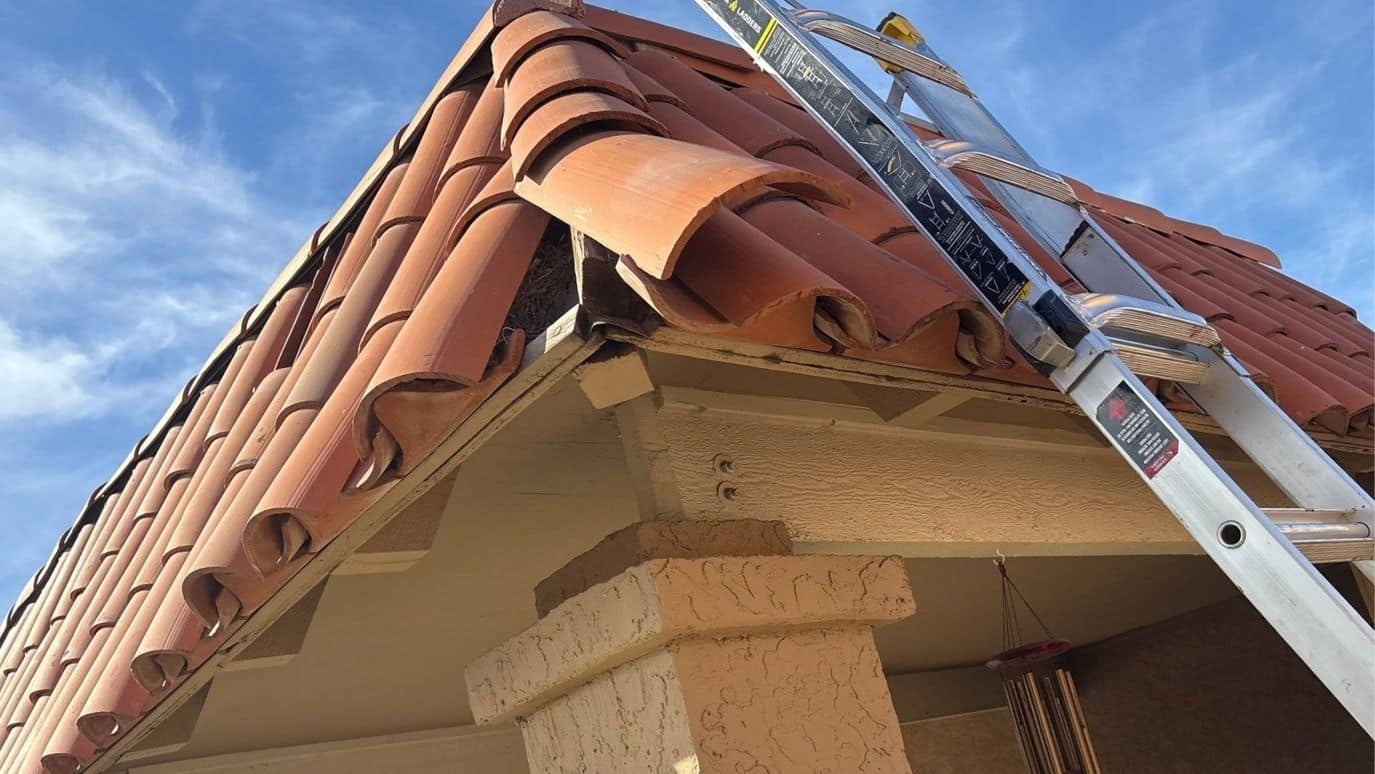
For example, after a monsoon storm, we may find a slipped tile, damaged flashing, cracked sealant, or a localized leak around a penetration. In those situations, a targeted repair can often extend the life of the roof significantly.
Age matters too. Generally speaking, repairs tend to make more sense on roofs that are still relatively early in their life cycle.
But age alone does not tell the full story. We have seen roofs fail early (after 6 years) because they were installed poorly from the beginning, and we have also seen roofs last longer than expected because the homeowner stayed ahead of maintenance.
Maintenance Can Prevent Bigger Problems
This is something many homeowners overlook.
A lot of roof leaks start because small maintenance items were ignored for years. Sealants around penetrations dry out, flashings loosen, pipe boots crack, and minor issues slowly become larger ones over time.
On shingle roofs especially, periodic maintenance can make a major difference.
If your roof is 5–10 years old, a professional inspection and tune-up may help extend its life and reduce the chances of a sudden emergency leak later. In some cases, a relatively small maintenance visit is enough to catch problems early before they become much more expensive.
The following are usually checked:
- Sealants around vents or penetrations
- Broken and slipped tiles
- Flashings
- Shingle granules
- Ceiling stains
- Debris buildup in valleys or drainage areas
- Exposed or worn areas on foam roofs
- Underlayment on tile roofs
- or minor leaks that only appear during heavy storms
These issues may not require major roof work yet, but they are often signs that the roof should at least be inspected.
In Phoenix, catching those smaller issues early can sometimes help homeowners avoid much larger repairs later.
Six Signs Repairs May no Longer Be the Best Long-Term Solution
Eventually, repairs stop making practical sense. This usually happens when the roof starts failing in multiple areas or when the underlying waterproofing system has reached the end of its life.
In Phoenix, we see this constantly with older tile roofs. From the ground, the roof may still look perfectly fine because the tiles themselves are often not the problem. But once the tile is lifted, the underlayment underneath may already be dry, brittle, and deteriorating from years of heat exposure. And that underlayment is what actually keeps water out.
On shingle roofs, the warning signs usually look different. Homeowners may start noticing:
- granules collecting in gutters
- loose shingles after storms
- curling edges
- cracking
- fading
- or repeated leak repairs
Those are often signs the roofing system is simply getting old. In Arizona, darker shingles also tend to wear out faster because they absorb significantly more heat.
Can You Repair Just Part of a Roof?
Sometimes. It depends heavily on the type of roof and how the problem area is connected to the rest of the system.
Tile roofs can often be repaired in sections if there are natural separation points in the roof design. Foam systems can also sometimes be repaired or recoated in isolated areas.
Shingle roofs are usually less forgiving, especially once widespread deterioration begins.
Localized repairs tend to work best when the surrounding roofing system is still healthy. Problems become harder to isolate once water starts moving across larger sections of the roof, which is why proper inspection matters. What appears to be a simple isolated leak is not always isolated underneath the surface.
Why Homeowners Sometimes Keep Repairing Older Roofs
This part rarely gets talked about honestly.
Sometimes homeowners continue repairing a roof because replacing it simply is not financially realistic at that moment.
Life circumstances matter. Some homeowners are preparing to sell soon. Others are on fixed incomes. Some are dealing with other major expenses at the same time.
In those situations, a repair may absolutely be the right short-term decision even if the roof will eventually need replacement later. It does not necessarily mean the homeowner is making the wrong decision — only that they are making the best decision they can based on where they are financially at that point in life.
The Hidden Cost of Repeated Repairs
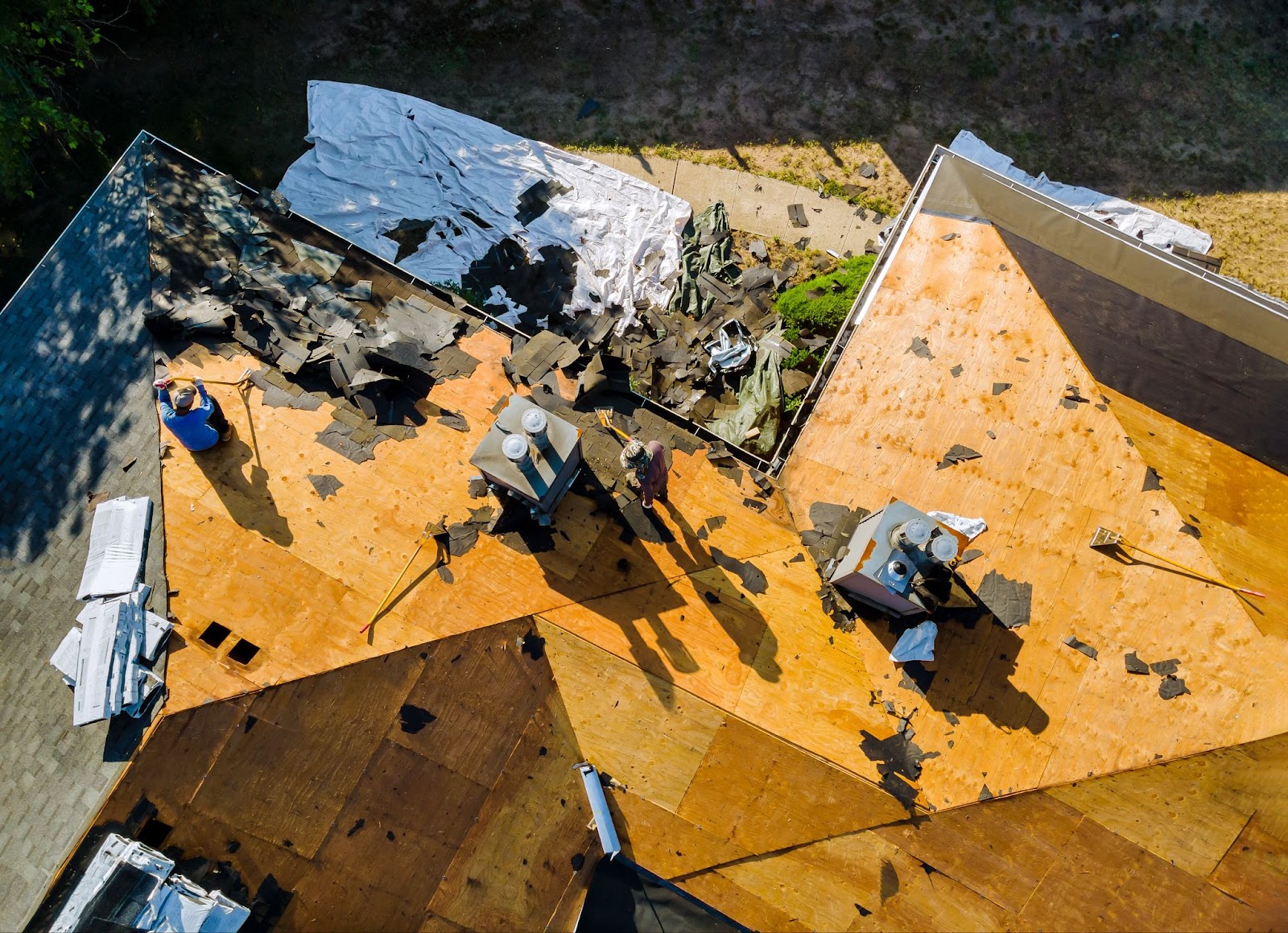
One thing people often underestimate is how quickly multiple repair visits add up over time.
Every service call includes:
- labor
- setup
- travel
- materials
- diagnosis time
- and repair work
Individually, each repair may feel manageable.
But after several years of recurring leaks and repeated service visits, many homeowners realize they have spent a substantial amount of money without actually solving the larger problem.
At a certain point, continuing to patch an aging roof for a few thousand dollars may cost more long-term than replacing the system properly.
Some roofing professionals use what is informally called the “25% Rule” as a practical guideline.
If a repair starts approaching roughly 25% of the cost of full replacement, it is often worth stepping back and asking whether continued repairs still make financial sense long-term.
That does not automatically mean replacement is required. But once repairs become large, recurring, or spread across multiple areas, many homeowners decide it makes more sense to invest in solving the larger problem rather than continuing to patch an aging system.
What About Repair Warranties?
Repairs usually do not carry the same type of warranty as a full roof replacement.
That does not mean repairs are unreliable. It simply means a repair addresses a specific problem area rather than resetting the entire roofing system.
Most reputable roofing companies will warranty the area they repaired, but they cannot realistically guarantee unrelated sections of an older roof that may continue aging independently. That distinction is important for homeowners to understand.
Read more about Warranties in Plain English
How to Tell If a Roofer Is Recommending Replacement Too Quickly
Not every replacement recommendation is wrong.
But homeowners should understand why replacement is being recommended.
A thorough inspection should include:
- photos
- explanation of findings
- discussion of repair vs replacement options
- realistic lifespan expectations
- and honest trade-offs
A good contractor should help you understand whether a repair is likely to hold or whether it is simply delaying a much larger issue.
If someone immediately jumps to replacement without explaining the reasoning, it is reasonable to ask questions or get another opinion.
Read about How to Choose the Right Roofing Company
Repair vs Replacement: What Actually Determines the Right Decision?
A big part of the repair vs replacement decision comes down to context.
Two homeowners can have similar leaks but end up making completely different decisions based on the roof’s age, overall condition, budget, long-term plans, and how widespread the underlying problems really are.
That is why there is no universal answer. A repair is not automatically the “cheap” option, and replacement is not automatically the “better” option.
In many situations, a targeted repair is absolutely the smartest decision. In others, continuing to repair an aging system may simply delay a larger and more expensive problem.
Generally speaking, here is how roofing professionals often evaluate the difference:
In general, roof repairs make the most sense when the roof is still relatively new, the damage is isolated, leaks are infrequent, and the overall roofing system remains in good condition. Repairs are also a good option when the underlayment is still healthy, the issue can be addressed with a targeted fix, the roof has been well maintained, or you simply want to extend the life of an otherwise functional roof.
A roof replacement may be the better choice when the roof is nearing the end of its lifespan, problems are appearing in multiple areas, leaks keep returning, or widespread deterioration is present. Replacement is also worth considering when the waterproofing system is failing, repair costs are becoming more frequent or expensive, storm damage affects large portions of the roof, or you plan to stay in the home long term and want a more permanent solution.
Of course, every roof is different. Roofing decisions should never be based on age alone or a single visible symptom.
The goal is not simply to repair the roof for as long as possible. The goal is to make the smartest long-term decision based on the roof’s actual condition, the homeowner’s goals or financial situation, and the realistic cost of continuing repairs versus solving the larger problem properly.
What Should You Do Next?
If you are unsure whether to repair or replace your roof, the next step is not guessing — it is getting clarity.
A proper inspection should answer questions like:
- Is the problem isolated or widespread?
- How much life realistically remains?
- Will a repair likely hold?
- Are repeated repairs becoming inefficient?
- What option makes the most sense financially long-term?
Without those answers, homeowners often end up making decisions based on fear, frustration, or incomplete information.
Bottom Line: Roof Repair vs Replacement
Repair makes sense when the issue is isolated and the system still has meaningful life left.
Replacement makes sense when the roof is aging, deteriorating across multiple areas, or when repairs are only delaying a larger failure.
This is not really about spending more or less money.
It is about making the right decision for your house, your timeline, and your financial situation so you are not dealing with the same problem repeatedly.