Jeff Nickerson, Technical Roofing Consultant
Date: June 8th, 2026
The Quick Answer (TL;DR)
Yes, a roof leak can absolutely become an emergency, especially if:
- water is actively entering the home
- the ceiling is sagging or bubbling
- water is near electrical fixtures
- or more storms are expected soon
Many leaks are not the kind of “drop everything and climb onto the roof” emergency people imagine. In fact, trying to tarp a roof during an active monsoon can be dangerous and often does not work nearly as well as homeowners expect.
The first priority is protecting the inside of the home safely while figuring out how serious the situation actually is.
And surprisingly, the roof is not always the source of the problem.
Finding water dripping from your ceiling is one of those moments that instantly raises your stress levels. Most homeowners immediately start wondering how bad the damage is going to be and whether they need to act right away.
The truth is that not every roof leak is a full-blown emergency. Some situations require immediate action, while others are serious but manageable if addressed quickly. And sometimes what looks like a roof leak is not actually the roof at all.
After years of dealing with leaks across Phoenix during monsoon season, one thing becomes clear: homeowners usually make better decisions when they slow down, assess the situation calmly, and focus on limiting damage first.
First: Are You Sure It’s Actually the Roof?
This surprises a lot of homeowners.
During monsoon season, air conditioners run constantly while humidity levels spike. If the AC condensate drain line becomes clogged or overloaded, water can back up into the house and look almost identical to a roof leak.
We have responded to many “active roof leak” calls during storms that ultimately turned out to be HVAC drainage issues instead of roofing failures.
That does not mean you should ignore water entering the home. It simply means the source is not always obvious at first glance.
How Bad Is It Really?
Most people are really trying to answer one question: “Do I need to panic right now?”
A practical way to think about roof leaks is to break them into three categories.
Emergency: Act Immediately
This is active damage happening in real time.
Examples include:
- ceiling drywall sagging or bulging
- steady water intrusion
- water near electrical fixtures
- visible structural collapse risk
- severe roof damage with additional storms approaching
If your ceiling looks swollen or bubble-like, water is likely pooling above the drywall. At that point, the drywall may eventually collapse under the weight.
|
TIP: One practical trick many homeowners do not know is that carefully poking small holes in the lowest part of the bulge with a screwdriver can help drain trapped water into a bucket and reduce the chance of the entire ceiling section collapsing at once. The drywall will likely need repair either way, so the goal becomes controlling the damage safely. If water is approaching outlets or light fixtures, shut off power to that area of the home. |
| Warning 1: If the bulge is near a light fixture or electrical outlet, do not puncture it. Turn off the electricity to that zone at the breaker box before proceeding. |
| Warning 2: In homes built before 1978 (for lead) or the mid-1980s (for asbestos), disturbing the ceiling material can release hazardous fibers or dust. |

Urgent: Needs Attention Soon
This is where most roof leaks fall.
You may notice:
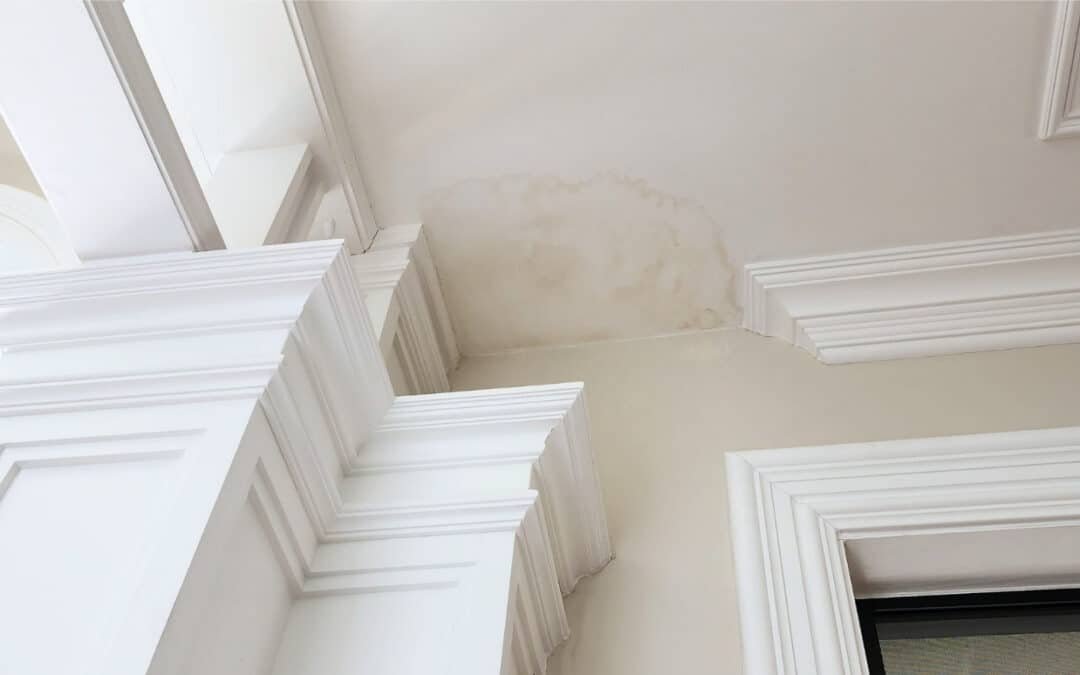
- brown ceiling stains
- intermittent dripping during storms
- peeling paint
- damp drywall
- musty odors
- recurring leaks during heavy rain
The roof may not be actively pouring water into the home right now, but something is failing. In Phoenix, these situations often get worse quickly because monsoon storms tend to come in cycles. A small leak during one storm can easily turn into major attic or drywall damage after the next one.
Once moisture gets trapped inside insulation during 110-degree heat, deterioration can accelerate much faster than homeowners expect.
Minor Maintenance: Low Risk, But Don’t Ignore It
Sometimes homeowners discover:
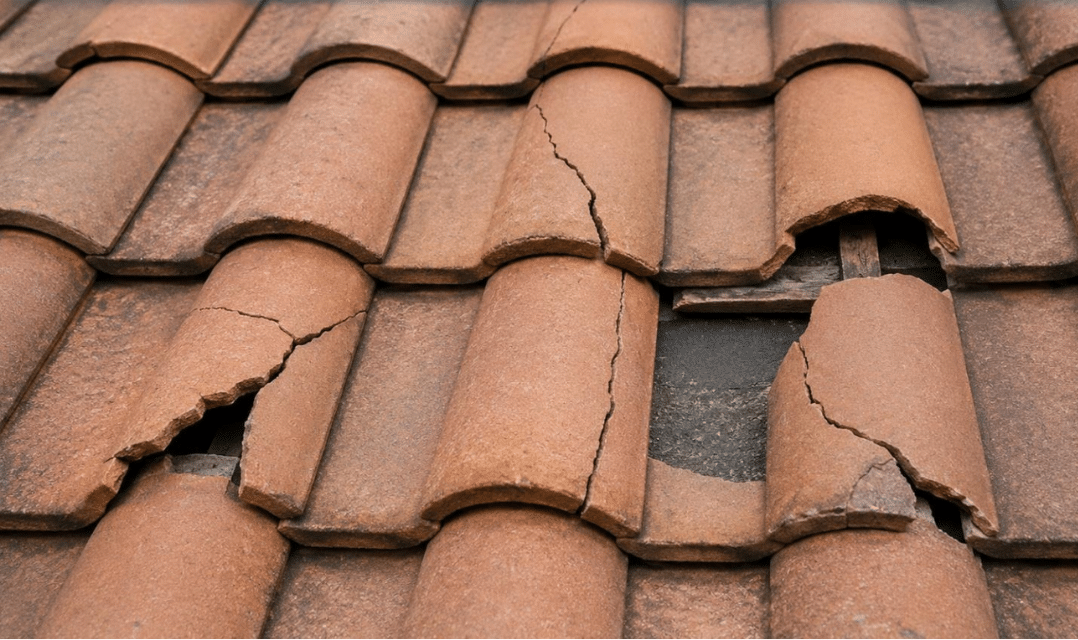
- a slipped tile
- cracked sealant
- small foam cracks
- debris damage
- or a minor stain with no active leak
If the interior of the home remains dry and no additional storms are expected, you usually have some breathing room to schedule a repair.
Still, roofing problems rarely improve on their own. Small maintenance issues often become larger repairs after another Phoenix summer or monsoon season.
Why Roof Leaks Are Sneakier Than They Look
One of the frustrating things about roof leaks is that water rarely travels straight down.
Water may enter through one part of the roof, move along framing or underlayment, soak insulation, and finally appear somewhere completely different inside the home.
One house in Scottsdale, we recently inspected had a ceiling stain that looked relatively minor. Once we entered the attic, we found saturated insulation spread across a much larger area than the homeowner realized. So, what you see inside is often only a small part of the actual moisture path.
What Should You Do Right Now?
Contain the Water
Buckets and towels are the first step. If water is trapped above sagging drywall, carefully draining it into a controlled area can help prevent a much larger ceiling collapse.
Stay Off the Roof During Active Storms
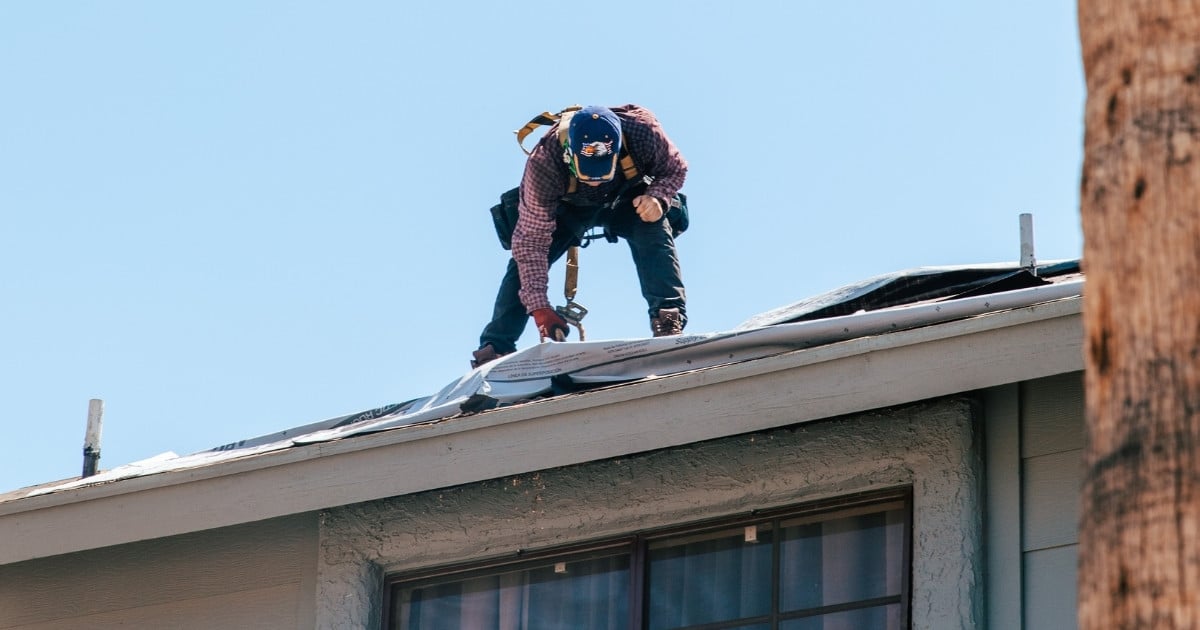
Many homeowners assume they should immediately climb onto the roof with a tarp during a monsoon. That is extremely dangerous.
Wet tile roofs become incredibly slippery, and strong winds make tarps difficult to secure properly. Even experienced roofers struggle to tarp roofs safely during active storms.
Most insurance companies do not expect homeowners to risk injury trying to perform emergency roof work during dangerous weather. They simply expect reasonable efforts to prevent additional interior damage safely.
Protect the Interior
Move furniture, electronics, rugs, and valuables away from the affected area. In many cases, interior water damage becomes more expensive than the roofing repair itself.
Schedule an Inspection
Once conditions are safe, schedule a professional roof inspection. The goal is identifying:
- where the water entered
- how long the issue has been developing
- whether moisture spread into insulation or decking
- and whether the problem is isolated or part of a larger roofing failure
Can It Be Repaired, or Is It Time for a New Roof?
That depends on several real-world factors, including:
- roof age
- underlayment condition
- extent of water intrusion
- repeated leak history
- and the overall condition of the roofing system
Sometimes the issue is isolated and repairable. Other times, especially on older Phoenix tile roofs, the visible leak is simply the first symptom of widespread underlayment failure happening underneath the entire roof.
If the waterproofing system has deteriorated extensively, repeated patch repairs may only delay a larger replacement project.
Read more about Roof Repair VS Roof Replacement
The Bottom Line
A roof leak is not always a middle-of-the-night emergency, but it is never something you want to ignore. The key is staying calm, protecting the inside of the home safely, and getting the problem evaluated before the next storm arrives. However, waiting too long is often what turns a manageable repair into a much larger project.