Jeff Nickerson, Technical Roofing Consultant
Date: June 19th, 2026
The Quick Answer
The best roofing material depends on your roof’s slope, structure, existing design, budget, HOA rules, maintenance expectations, energy goals, and how long you plan to stay in the home.
For many flat or low-slope roofs in Phoenix, spray foam roofing is one of the strongest options because it creates a seamless waterproofing system, adds insulation value, reflects heat when properly coated, and can often be maintained through recoating instead of full replacement.
For many pitched roofs, concrete tile with a high-quality underlayment system is one of the strongest middle-of-the-road options in Phoenix. Tile handles Arizona heat well, fits many neighborhood styles, and can last a long time when installed correctly. Metal roofing can also be excellent in the right situation, but it is usually more expensive and may face HOA restrictions. Asphalt shingles are usually chosen for lower upfront cost, but they tend to wear faster in the Southwest.
Your home may limit your roofing options before you ever start comparing materials. A roofing material has to fit the roof you actually have, not just the roof you wish you had.
Why There Is No Single Best Roofing Material for Every Phoenix Home
Homeowners often ask, “What is the best roofing material?” The answer depends heavily on the roof itself.
A flat roof, low-slope roof, and pitched roof all manage water differently. Some roofing systems are designed to shed water quickly. Others are designed to waterproof flatter surfaces where water moves more slowly. Some materials are lightweight. Others require a structure strong enough to support extra weight.
That is why the best roofing material is not always the one with the longest lifespan, the lowest price, or the best curb appeal.
It’s what actually makes sense for this house.
Before comparing foam, tile, shingles, metal, TPO, or built-up roofing, homeowners need to understand the design of the roof they already have.
Why Your Roof Design Limits Which Materials You Can Use
Your roof design determines which roofing materials are realistic options.
Not every roof works with every material. A roofing system has to match the roof’s slope, structure, drainage, and existing design. In many Phoenix-area neighborhoods, HOA rules also play a major role.
| Factor | Why It Matters |
|---|---|
| Roof pitch | Flat, low-slope, and steep roofs drain water differently |
| Roof structure | Some materials, like tile, are much heavier than others |
| Existing roof design | The home may already be built for a specific roof system |
| Drainage | Flat and low-slope roofs need systems that handle slower water movement |
| HOA rules | Some communities limit material, color, profile, or appearance |
| Budget | Some materials cost more upfront but may last longer |
| Maintenance expectations | Some systems need more regular maintenance than others |
For example, foam roofing is usually used on flat or low-slope roofs. Tile roofing requires a structure that can support the weight. Shingles are common on pitched roofs because they are lighter and more affordable. Metal roofing may work in some situations, but the roof design, budget, and neighborhood rules all matter.
That means the best roofing material is not simply the one a homeowner likes most.
It is the one that fits the roof they actually have.
Once you understand that roof design controls the options, the next step is to separate roofs into two broad categories: flat or low-slope roofs and pitched roofs. These roof types handle water differently, so they usually require different roofing systems.

Best Roofing Materials for Flat and Low-Slope Roofs in Phoenix
Flat and low-slope roofs need roofing systems designed to handle slower drainage, ponding risk, intense UV exposure, and long-term heat.
In Phoenix, these roof areas are common on many homes, especially with additions, patios, garages, and certain architectural styles. Because these roofs do not shed water the same way a steep roof does, the waterproofing system matters even more.
The most common residential options are foam roofing, built-up or rolled roofing systems, and, in some cases, membrane systems like TPO.
Why Foam Roofing Is Often the Strongest Flat-Roof Option in Phoenix
Spray polyurethane foam, often called SPF or foam roofing, is one of the strongest options for many flat and low-slope residential roofs in Phoenix.
Foam creates a seamless waterproofing surface. Because it is sprayed directly onto the roof, it can cover many shapes, transitions, penetrations, and details when installed correctly. It also adds insulation value, which can help reduce heat transfer into the home.
That matters in Phoenix because a roof does not just need to keep out rain. It also has to deal with months of extreme heat and UV exposure.
Foam also has strong long-term value when maintained properly. The coating over the foam acts almost like sunscreen. Its job is to protect the foam from UV damage. When that coating wears down, the foam underneath can begin to deteriorate.
That is why foam roofs need maintenance. Many foam roofs in Phoenix are inspected and recoated every 5–10 years, depending on the coating system, exposure, drainage, and maintenance history.
The advantage is that recoating is usually much less expensive than tearing off and replacing the whole roof system. With proper maintenance, a foam roof can last decades. In our experience, a well-maintained foam roof may last far longer than homeowners expect because the system can be renewed through maintenance coatings instead of automatically being replaced at the end of one cycle.
Foam is usually a strong fit for homeowners who have a flat or low-slope roof and want waterproofing, insulation value, reflectivity, and a system that can be maintained over time.
[Read more What Is the Best Flat Roofing System for a Phoenix Home]
When Built-Up or Rolled Roofing Systems May Make Sense
Built-up or rolled roofing systems are also used on some flat and low-slope roofs.
Many homeowners think of these as the “rolled roof” style systems that look somewhat like a long, flat shingle surface. These systems can perform well for a period of time and may require less early maintenance than foam.
The tradeoff is long-term cost.
A built-up roof may go many years with relatively little maintenance, but when it reaches the end of its useful life, the next step is often a larger replacement or a more expensive upgrade. Foam, by comparison, may require more routine recoating, but that maintenance can be less expensive over time than replacing a built-up roof system.
That does not make built-up roofing wrong. It means homeowners should compare the full lifecycle, not just the first installation. Are you choosing the roof with the lowest maintenance at the beginning, or the roof with better long-term maintainability?
For many Phoenix homeowners with flat roofs, foam often wins that long-term value conversation when it is installed and maintained correctly.
When TPO or Other Membrane Roofing Systems May Make Sense
TPO and other membrane systems can also be used on flat or low-slope roofs.
These systems are more common on commercial buildings, but some residential properties use them. TPO can be a good roofing system when the roof is designed for it and the installer understands the details.
The issue is cost and fit.
On residential roofs, TPO is usually less common because the cost can be high compared with other flat-roof options. Seams, penetrations, edges, drainage areas, and transitions all matter, so contractor experience is important.
For many Phoenix homes, foam is often the more practical residential choice because it performs well in heat, adds insulation value, reflects heat when properly coated, and works with many flat-roof designs.
That does not mean TPO is wrong. It means the roof should be evaluated before assuming one system is automatically better than the other.
Flat and low-slope roofs need waterproofing systems that can handle slower water movement. Pitched roofs are different. Because they shed water more quickly, homeowners usually compare materials like tile, shingles, and metal instead.
Best Roofing Materials for Pitched Roofs in Phoenix
If your home has a pitched roof, your most common options are usually tile, asphalt shingles, or metal.
Each material has a place. The right choice depends on the home’s structure, neighborhood rules, budget, appearance, and long-term goals.
A homeowner focused on lower upfront cost may choose shingles. A homeowner focused on long-term durability may prefer tile or metal. In some neighborhoods, HOA appearance rules may narrow the decision before the homeowner even starts comparing options.
Why Concrete Tile with Quality Underlayment Is Often the Best Middle-Ground Pitched Roof Option
For many pitched roofs in Phoenix, concrete tile with a high-quality underlayment system is one of the strongest overall options.
Concrete tile handles Arizona heat well, fits the look of many Phoenix-area neighborhoods, and can last for decades. It is also common in master-planned communities, HOA neighborhoods, and newer homes throughout the Valley.
Important: The tile is not the main waterproofing layer.
The underlayment beneath the tile is what actually keeps water out of the home.
That is why tile roofs can be misleading. A tile roof may look good from the street while the underlayment underneath is aging. In Phoenix, many tile roof projects involve removing and resetting the existing tile so the underlayment can be replaced.
The quality of the underlayment matters a lot. A warranty period does not automatically tell the full story of how long the roof will perform. A contractor may offer a 10-year workmanship warranty, and a manufacturer may offer a longer material warranty, but a properly installed, high-quality underlayment system may last well beyond the warranty period.
That does not mean homeowners should ignore warranties. It means they should ask what underlayment is being installed, why that system is being recommended, and how it is expected to perform in Phoenix heat.
Tile is usually best for homeowners who want long-term durability, strong curb appeal, and a roof system that fits the design of many Arizona homes.
Concrete Tile vs. Clay Tile in Phoenix
Concrete tile is more common in Phoenix. It is durable, widely available, and fits many residential roof designs.
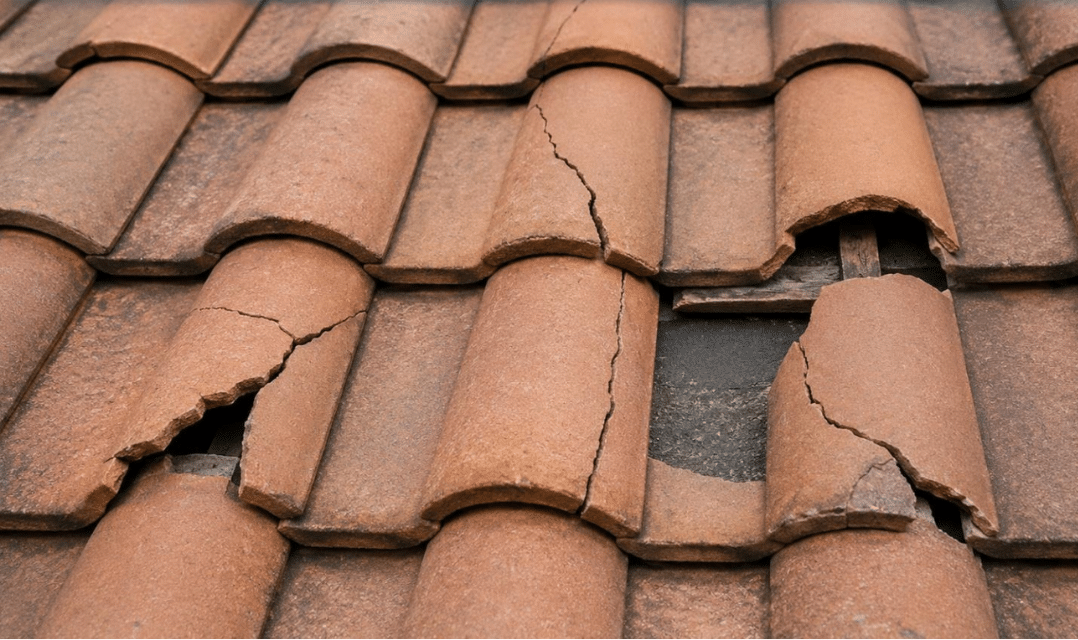
Clay tile is typically more premium and often more expensive. It can be beautiful and long-lasting, but it is also more brittle than concrete tile. That means it requires more care during installation, repairs, inspections, solar work, HVAC work, or any other rooftop activity.
That does not make clay tile a bad option. It simply means the crews working on it need to understand the material and handle it correctly.
If a home has solar panels, rooftop AC equipment, satellite equipment, or frequent roof access needs, tile fragility becomes an important part of the decision.
Why Asphalt Shingles Are Usually Chosen for Lower Upfront Cost
Asphalt shingles are usually one of the most affordable roofing options for pitched roofs.
They are lighter than tile, widely available, and often faster to install. For homeowners focused mainly on upfront budget, shingles can make sense.
The tradeoff is lifespan and maintenance.
In Phoenix, shingles take a beating. Heat and UV exposure can dry out asphalt shingles, loosen granules, weaken seals, and make shingles more brittle. Darker shingles may absorb more heat, which can speed up aging.
Homeowners may notice granules near downspouts, curled edges, cracking, fading, or shingles lifting after wind.
Shingle roofs also need more attention than many homeowners expect. In Phoenix, it is smart to have shingle roofs checked every few years, especially around penetrations, flashings, lifted shingles, exposed fasteners, and areas where wind or heat has started to affect the system.
Shingles are usually best for homeowners who want a lower upfront cost and understand that the roof may not last as long in Arizona as tile or metal.
When Metal Roofing Can Be the Best Option
If budget is not the main concern, metal roofing can be one of the strongest pitched roof options.
A properly designed and installed metal roof can offer long lifespan, strong durability, and good heat reflectivity. It is also lighter than tile in many cases, so weight is not usually the same concern as switching from shingles to tile.
But metal roofing has two major barriers in Phoenix: cost and appearance restrictions.
Metal is usually more expensive upfront than shingles and often more expensive than many tile options. It also looks very different from tile or shingles, which means some HOA communities may not allow it or may restrict color, profile, or visibility.
That matters because a roof can be technically excellent and still not be allowed in the neighborhood.
Metal is usually best for homeowners who want long-term durability, have a roof design that works well with metal, are willing to invest more upfront, and have confirmed that their HOA allows it.
Once you know which materials generally fit your roof type, the next question is whether you are actually allowed — or structurally able — to use them.
Other Factors That Can Limit Your Roofing Material Choices
Even if a roofing material sounds like the best option, it still has to fit the home and the neighborhood.
In Phoenix, two common limits are HOA rules and the difficulty of switching from one roof type to another. These issues do not always show up in a simple material comparison, but they can strongly affect what the homeowner can actually install.
How HOA Rules Can Limit Roofing Material Choices
In many Phoenix-area communities, roof material is not only a technical decision. It is also an HOA decision.
An HOA may limit:
| HOA Rule | What It Can Affect |
|---|---|
| Material type | Whether tile, metal, shingles, or another system is allowed |
| Color | Which colors can be installed |
| Profile | The shape or appearance of the material |
| Visibility | Whether certain materials can be seen from the street |
| Replacement standards | Whether the new roof must match existing neighborhood style |
This becomes especially important when a homeowner wants to change from one roof type to another.
For example, switching from shingles to metal may be technically possible on some homes, but the HOA may not approve the look. Switching from shingles to tile may require structural evaluation because tile is much heavier.
Before spending too much time comparing materials, homeowners should confirm what their HOA allows.
Can You Change from One Roofing Material to Another?
Sometimes you can change from one roofing material to another, but it is not always simple.
A homeowner may ask whether they can switch from shingles to tile, tile to metal, or another system entirely. In some cases, that may be possible. In other cases, the roof structure, slope, engineering requirements, HOA rules, or cost may make it impractical.
Tile is a good example. It is much heavier than shingles. A home that was not designed for tile may need structural evaluation before making that switch.
Metal may be lighter than tile, but that does not automatically make it simple. Changing to metal can still affect flashing details, ventilation, drainage, appearance, noise considerations, and HOA approval.
In many situations, the most practical choice is to stay within the type of roofing system the home was originally designed to support, then choose the best version of that system.
Even after you choose the right material, the material itself is only part of the decision. A roof is an installed system, and the quality of that installation often determines whether the roof performs the way it should.
Why Installation Quality Matters as Much as Roofing Material
Roofing material matters, but it is not the only thing that determines how well a roof performs.
Installation quality matters just as much.
A properly installed average roofing system can outperform a premium material installed poorly. That is especially true in Phoenix, where heat, UV exposure, and monsoon storms tend to expose weak details quickly.
The most important details are often the least visible from the ground:
| Installation Detail | Why It Matters |
|---|---|
| Underlayment | The waterproofing layer beneath tile and some other systems |
| Flashing | Protects transitions, walls, penetrations, and roof edges |
| Drainage | Helps water move off the roof correctly |
| Valleys | Carry heavy water flow during storms |
| Penetrations | Pipes, vents, skylights, and AC-related openings are common leak points |
| Fasteners | Poor fastening can create future problems |
| Coating thickness | Critical for foam roof protection |
| Surface preparation | Affects how well foam coatings or membranes bond |
| Workmanship | Determines whether the system is installed as designed |
This is why homeowners should not choose a roof based only on the material name.
A better question is:
Which system is right for my home, and who is installing it?
At this point, homeowners usually want a simple way to compare their options. The table below is not a substitute for an inspection, but it can help narrow the decision before talking with a contractor.
How to Compare Roofing Materials for a Phoenix Home
Here is a practical way to compare the most common roofing materials in Phoenix.
| Roofing Material | Best Fit | Main Advantage | Main Tradeoff | What to Ask |
|---|---|---|---|---|
| Foam / SPF | Flat or low-slope roofs | Waterproofing, insulation value, reflectivity, and recoatability | Needs regular coating maintenance | How often will this need recoating in Phoenix? |
| Built-up / rolled roofing | Some flat or low-slope roofs | May require less early maintenance | Replacement can become expensive when the system ages out | What happens at the end of its service life? |
| TPO / membrane | Certain flat or low-slope roofs | Durable membrane option | Less common residentially and can be costly | Why would this be better than foam for my roof? |
| Concrete tile | Pitched roofs built to support it | Long lifespan, curb appeal, and strong Phoenix fit | Underlayment eventually becomes the key issue | What underlayment system are you using? |
| Asphalt shingles | Pitched roofs where upfront cost matters | Lower initial cost | Shorter lifespan and more maintenance in Phoenix heat | What lifespan should I realistically expect here? |
| Metal | Select pitched roof designs | Long lifespan, durability, and reflectivity | Higher cost and possible HOA restrictions | Is this allowed by my HOA and right for my roof design? |
This table is not a substitute for an inspection, but it can help narrow the decision.
The right material depends on the roof you have, not just the roof you want.
After reviewing the major roof materials, homeowners should use the comparison as a starting point, not the final answer. The best next step is to ask questions that connect the material to the actual roof, the home, and the long-term plan.
Questions Homeowners Should Ask Before Choosing a Roofing Material
Before choosing a roof material, ask the contractor questions that connect the material to your actual home.
| Question | Why It Matters |
|---|---|
| Is my roof flat, low-slope, or pitched? | Roof pitch determines which systems are practical |
| Can my structure support this material? | Tile and some systems may require more structural support |
| Does my HOA allow this material? | Some materials, colors, or profiles may be restricted |
| What is the realistic lifespan in Phoenix? | National lifespan claims may not match Arizona conditions |
| What maintenance will this material need? | Foam, tile, shingles, metal, and built-up roofs age differently |
| What are the main failure points? | Helps you understand future risks |
| What underlayment, coating, or waterproofing system is included? | The visible material is not always the main protection |
| Who will install it? | Workmanship affects performance |
| What warranty applies, and what voids it? | Warranty details matter before you choose |
| What happens at the end of this system’s service life? | Some systems are easier and cheaper to renew than others |
A good roofing contractor should be able to explain the pros, cons, cost differences, maintenance needs, and lifespan expectations in plain language.
If the recommendation sounds too simple, it may not be complete.
So, What Is the Best Roofing Material for Phoenix Homes?
The best roofing material depends on the roof.
For flat and low-slope Phoenix roofs, foam is often one of the strongest options because it provides seamless waterproofing, insulation value, reflectivity, and long-term maintainability through recoating.
For pitched roofs, concrete tile with a high-quality underlayment system is often one of the best overall fits for Phoenix homes. It handles the climate well, fits many neighborhood styles, and can provide strong long-term value when installed properly.
Shingles can make sense when upfront cost is the main priority, but homeowners should understand that Phoenix heat shortens their expected lifespan and increases the need for maintenance.
Metal can be excellent when budget, roof design, and HOA rules support it. But cost and neighborhood restrictions often limit how practical it is for many homeowners.
No material is automatically best for every home.
The right roof must fit the home’s design, structure, drainage, neighborhood requirements, budget, maintenance expectations, and long-term plan.
Most importantly, it has to be installed correctly.
Bottom Line: The Best Roofing Material Is the One That Fits Your Home
The best roofing material for a Phoenix home is not always the most expensive, the longest-lasting, or the best-looking option.
It is the material that fits your roof design, works with your home’s structure, meets your HOA requirements, fits your budget, and can be installed properly by a qualified roofing contractor.
For many flat roofs, that may point toward foam. For many pitched roofs, that may point toward concrete tile with a strong underlayment system. For some homes, shingles, metal, TPO, or built-up roofing may still make sense.
There is no universal best roofing material. There is only the best fit for your specific home.
What to Do Next
If you are not sure which roofing system is right for your home, start with a professional roof inspection and material consultation.
A good roofer should evaluate your roof type, pitch, structure, drainage, existing system, HOA limitations, budget, maintenance expectations, and long-term goals before recommending a material.
That way, you are not choosing based on a generic “best material” claim.
You are choosing based on what actually makes sense for your home.