Jeff Nickerson, Technical Roofing Consultant
Date: June 12th, 2026
The Quick Answer (TL;DR)
Roofs in Phoenix often age faster because of heat, UV exposure, thermal expansion, poor ventilation, and long-term environmental stress.
But climate is only part of the story.
A roof’s lifespan also depends heavily on how well it was installed. A quality roofing material installed poorly can fail much earlier than expected, while a more basic material installed correctly can last for decades.
That is why two roofs in the same neighborhood, built around the same time, can age very differently.
Phoenix Roofs Age Differently: Here’s Why
Most homeowners expect roof problems to be obvious.
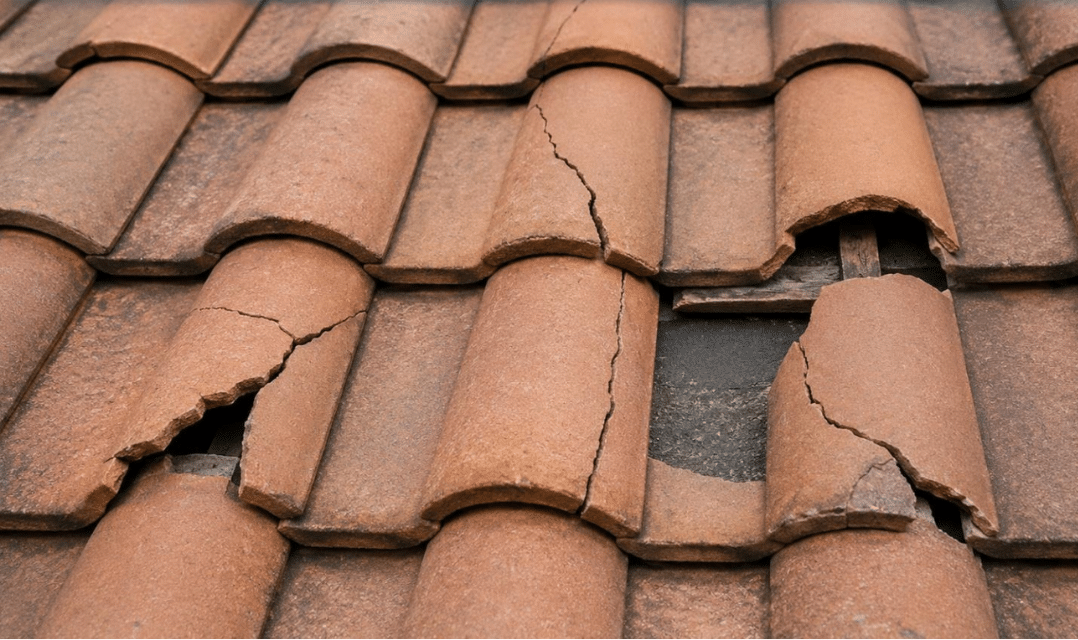
They picture missing shingles, broken tiles, storm damage, or an active leak. And sometimes roofing problems do look like that.
But in Phoenix, many roofs age more quietly. The roof may still look fine from the ground while the materials underneath are slowly breaking down from years of heat, expansion, contraction, and everyday exposure.
That is especially true with tile roofs. The tile itself may still look good, but the waterproof underlayment beneath it may be much further along in its lifespan than the homeowner realizes.
Heat Matters — But It Is Not the Only Factor
Phoenix heat is hard on roofing systems.
During summer, roof surfaces can reach extremely high temperatures, especially on darker roofing materials. That heat slowly dries out materials, weakens sealants, stresses flashings, and accelerates aging.
But heat alone does not explain everything. The quality of the installation matters just as much.
It can be helpful to think of a roof not as a material, but as a system. Underlayment, fasteners, flashing, laps, penetrations, ventilation, drainage, and workmanship all have to work together.
If those details are wrong, even premium materials can fail early.

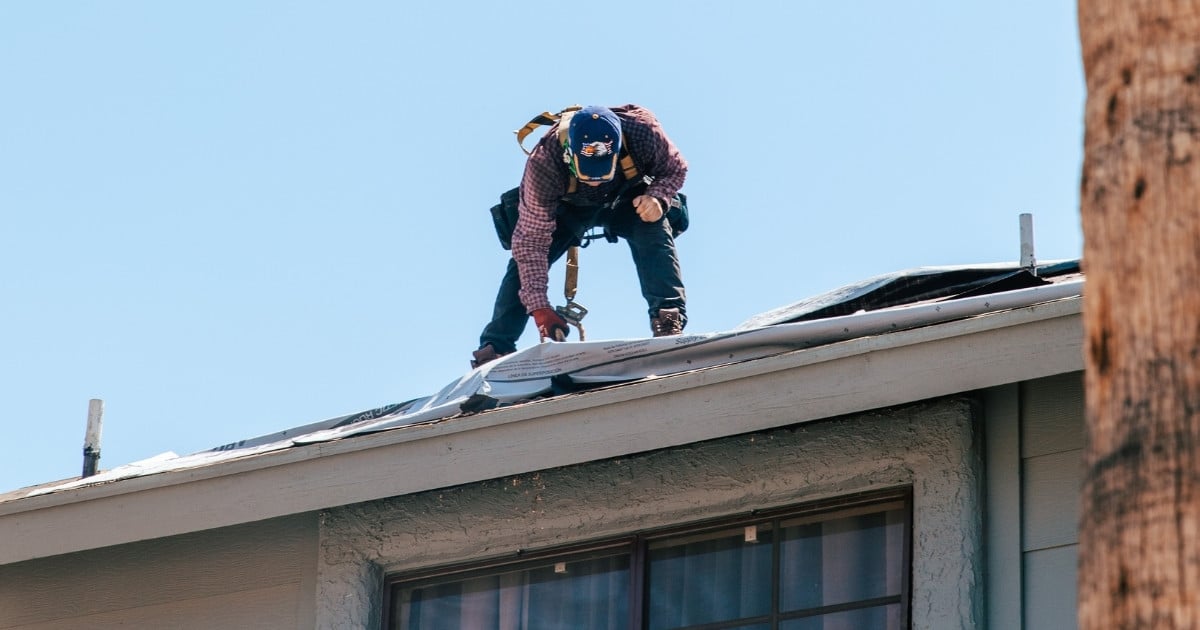
The Quality of Your Roofer Can Shorten or Extend the Life of your Roof
This is where many homeowners get surprised.
It is easy to assume that a roof’s lifespan comes mostly from the product being used. But in the field, installation quality can make or break the roof.
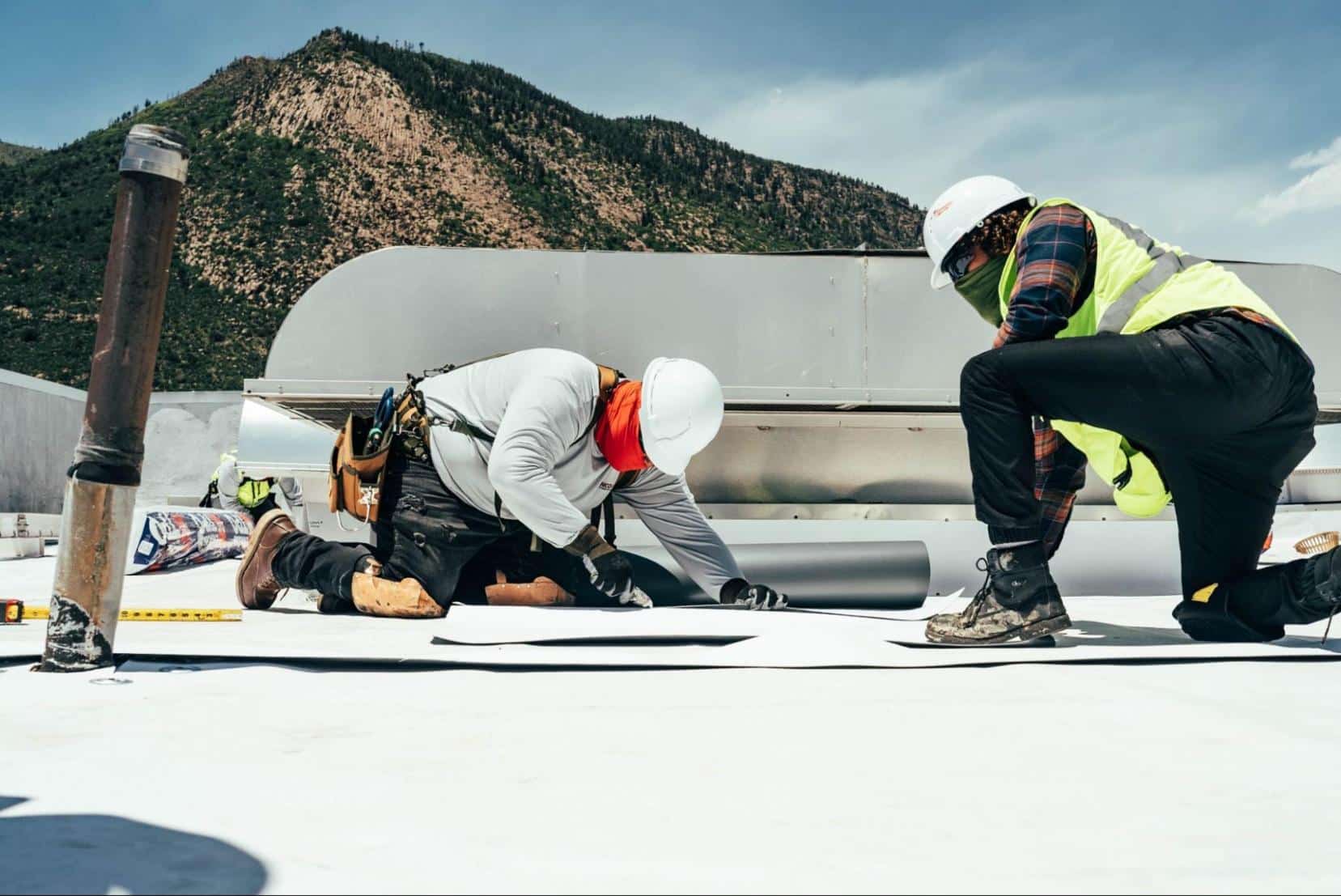
A basic two-ply 30-pound underlayment system, installed correctly with proper laps, fasteners, and flashing details, can last a long time in Phoenix. On the other hand, a higher-end material installed poorly may not perform the way the homeowner expects.
That is why the cheapest quote isn’t always the cheapest roof long-term.
It is also why homeowners should ask not only “What material are you using?” but also “How is it being installed, and who is supervising the work?”
Why Tile Roofs Can Be Misleading
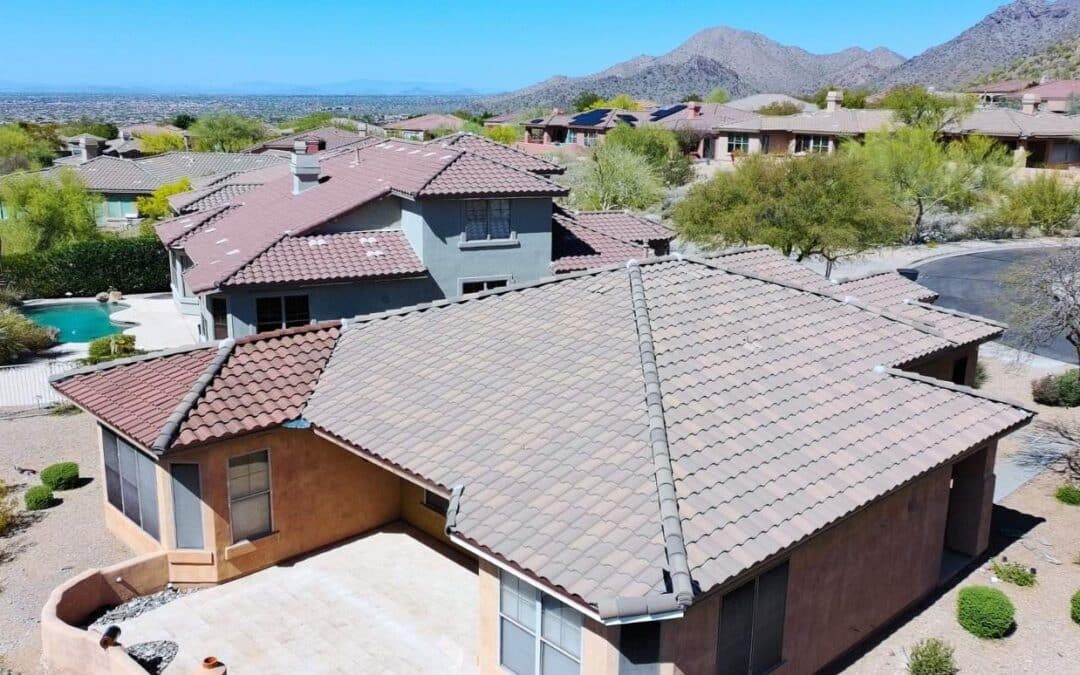
Tile roofs are common across Phoenix, and they can be confusing for homeowners because the visible tile often lasts much longer than the waterproofing system underneath.
Concrete and clay tile are designed to take the sun and UV exposure. The underlayment beneath the tile usually does not see direct UV, but it does deal with trapped heat and long-term aging.
That underlayment is what actually keeps water out of the home.
From the street, the roof may look perfectly fine. But under the tile, the waterproofing layer can become dry, brittle, or worn down over time.
That does not mean every older tile roof is failing. It means you cannot judge a tile roof by the tile alone.
Attic Heat and Ventilation Matter Too
Another factor homeowners rarely think about is attic temperature.
In Phoenix, attic spaces can get extremely hot. Even with static ventilation, the air being pulled into the attic may already be 105 or 110 degrees during summer. That means ventilation helps, but it does not magically make the attic cool.
In Arizona, static ventilation has limits because the “cooler” replacement air is still very hot.
That attic heat can contribute to the roof system aging from below, especially when combined with the heat coming from above.
This does not mean ventilation is pointless. Proper ventilation still matters. But homeowners should understand that Phoenix heat creates a much harsher environment than many roofing systems face in milder climates.
How Different Roofing Materials Break Down in Phoenix
Not every roof fails the same way in Phoenix. Tile, shingle, and foam roofs are all affected by heat, UV exposure, monsoon storms, and installation quality, but they do not show aging in the same way. Some roof systems show visible damage quickly. Others can look fine from the street while the most important waterproofing layers are aging underneath.
Why Shingle Roofs Often Wear Out Faster in Phoenix
Asphalt shingle roofs tend to show aging more visibly than tile roofs.
Over time, Phoenix heat and UV exposure can dry out asphalt shingles, loosen granules, weaken seals, and make shingles more brittle. Darker shingles can be especially affected because they absorb more heat.
Homeowners may notice granules near downspouts, curled edges, cracking, fading, or shingles lifting after wind.
Those signs do not always mean immediate failure, but they do suggest the roof is moving further along in its lifespan.

Foam Roofs Fail Differently
Foam roofs are different from tile and shingle roofs.
With foam, the protective coating acts almost like sunscreen. Its job is to protect the foam from UV exposure. When that coating wears away, the foam can start to turn orange, chalky, or brittle from sun exposure.
Some roofs we’ve seen had been neglected for 12 to 15 years. At that point, the issue may no longer be a simple recoat. If the foam surface is too deteriorated, the old material may need to be removed or scraped before a new system can be applied.
That is why foam maintenance matters so much.
A foam roof can last a long time if it is maintained properly, but waiting too long between recoats can turn a manageable maintenance project into a much larger job.
Every Roof System Has Its Own Rules
The fact of the matter is roofing is more specialized than many homeowners realize.
Tile, shingle, foam, and metal systems all have different installation rules. Even within tile roofing, concrete tile and two-piece clay tile require different skills and processes.
A crew that is excellent at one type of roof may not be equally experienced with another.
That matters because a roof can fail early when the wrong crew, wrong details, or wrong installation method are used for that specific system.
This is another reason homeowners should be careful when comparing roofing quotes. The material matters, but the crew’s experience with that specific system matters too.
How Long Do Roofs Typically Last in Phoenix?
Every roof is different, but these are realistic ranges homeowners can use as a general guide:
| Roofing System | Typical Phoenix Lifespan | Why Phoenix Is Hard on It |
| 3-tab asphalt shingles | About 10–15 years | Asphalt dries out faster, granules shed, and UV/heat accelerate wear |
| Tile roof underlayment | About 15–25 years standard; longer with premium systems and strong installation | Heat builds under tile and ages the waterproofing layer |
| Foam / SPF roof | 20–40+ years if maintained; coating often every 5–10 years | UV wears down the coating; exposed foam deteriorates over time |
| Metal roof | 40–70 years | Metal handles heat well, but sealants, coatings, flashing, and penetrations still age |
These are not guarantees. Installation quality, ventilation, roof design, maintenance history, drainage, material grade, and exposure can all change the outcome.
Does an Older Roof Automatically Mean There Is a Problem?
No.
An older roof does not automatically mean there is an emergency, and it does not always mean replacement is required.
Many older roofs continue performing well because they were installed correctly and maintained over time. Other roofs fail early because the workmanship was poor, the wrong details were used, or the system was not maintained.
The better question is not simply: “Does my roof look okay?”
It is: “Where is my roof realistically within its lifespan, and was it installed well enough to perform the way it should?”
What Homeowners Should Do
For Phoenix homeowners, the smartest approach is to stop judging a roof only from the curb.
A roof can look fine from the ground and still have aging underlayment, brittle shingles, worn foam coating, weak flashings, or drainage problems that are not obvious without a closer inspection.
A roof inspection should help answer:
| Question | Why It Matters |
| How old is the roof system? | Age helps estimate remaining lifespan |
| What material/system is installed? | Tile, shingle, foam, and metal age differently |
| Was it installed correctly? | Workmanship can shorten or extend roof life |
| Is the underlayment still healthy? | Especially important on tile roofs |
| Is the foam coating still protecting the roof? | Exposed foam can deteriorate quickly |
| Are flashings, penetrations, and drainage areas intact? | These are common leak points |
| Is maintenance needed now? | Small maintenance can prevent larger repairs later |
The goal is not to scare homeowners into replacing a roof that still has life left. The goal is to understand the actual condition before leaks or emergency repairs force a decision.
Bottom Line
Roofs fail faster in Phoenix because the environment is harsh. Heat, UV exposure, thermal movement, attic temperatures, and monsoon storms all wear roofing systems down over time.
But climate is only half the story.
Installation quality, ventilation, maintenance, roof type, crew experience, and material choice all affect how long a roof actually lasts.
A roof that looks fine from the street may still be aging underneath, especially if it is a tile roof where the underlayment is hidden. But a roof that was installed well and maintained properly may last much longer than expected.
The only real way to know is to inspect the roof as a system — not just look at the surface.