The Quick Answer
Yes, you can replace just part of a roof, but it only makes sense in certain situations.
Partial roof replacement usually works best when the damaged area is clearly isolated, the roof has a natural stopping point, and the rest of the roof still has meaningful life left.
It is often easier to replace part of a sloped roof, such as a tile, shingle, or sloped metal roof, because those roofs have clearer sections. A roofer may be able to replace one slope or one defined roof area with confidence.
Flat roofs are more complicated. Water can enter in one area, travel horizontally under the roof system, and show up somewhere else inside the home. That makes small flat-roof patches harder to diagnose, separate, and warranty.
The goal is not simply to replace less roof. The goal is to solve the roofing problem without creating new weak points, wasting money, or tying new materials into a roof that is already close to failing.
Why Homeowners Ask About Replacing Only Part of a Roof
A full roof replacement is a major investment, so it is reasonable for homeowners to ask whether they can replace only the damaged section.
Maybe one roof slope is leaking. Maybe storm damage affected one area. Maybe part of the roof looks worse than the rest. Or maybe the homeowner knows the roof is aging but is not financially ready to replace the entire system.
In the right situation, replacing part of a roof can save money and buy time. But partial replacement should not be just a pricing decision. It is a roof-system decision.
The main question is this: can the damage whether the damaged area can be separated cleanly from the rest of the roof? If it can, partial replacement may make sense. If it cannot, the homeowner may pay for work that does not fully solve the problem.
Partial Roof Replacement Question#1: Is Your Roof Sloped
The first thing to understand is that partial roof replacement depends heavily on roof type.
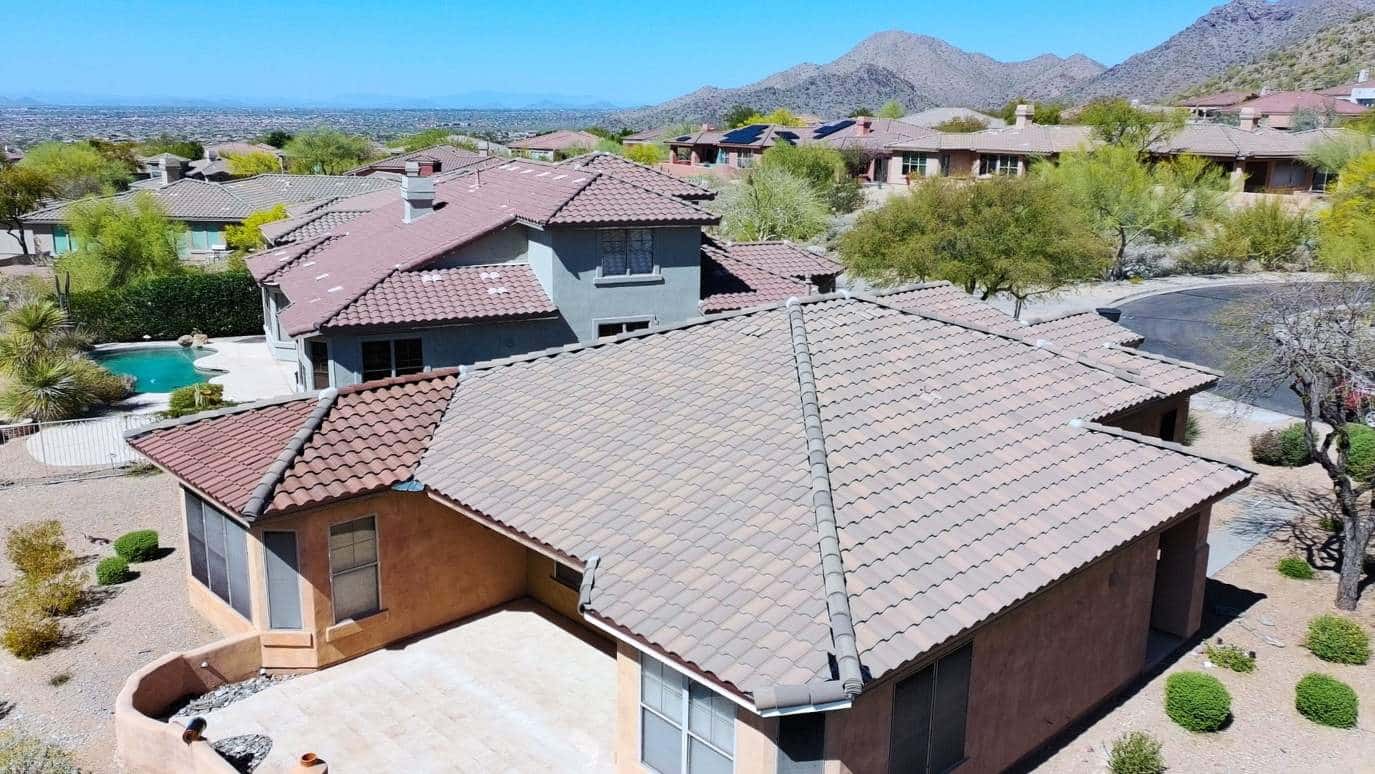
On a sloped roof, such as tile, shingles, or sloped metal, partial replacement can often be more practical. That is because the roof is divided into slopes, ridges, hips, valleys, and edges. In some cases, a roofer can replace one full slope or one clearly defined roof section and know where the work starts and stops.
For example, if a tile roof is leaking in the middle of the front slope and the rest of the roof is still in good condition, it may be possible to replace that slope or section without replacing every other part of the roof.
Flat roofs are different.
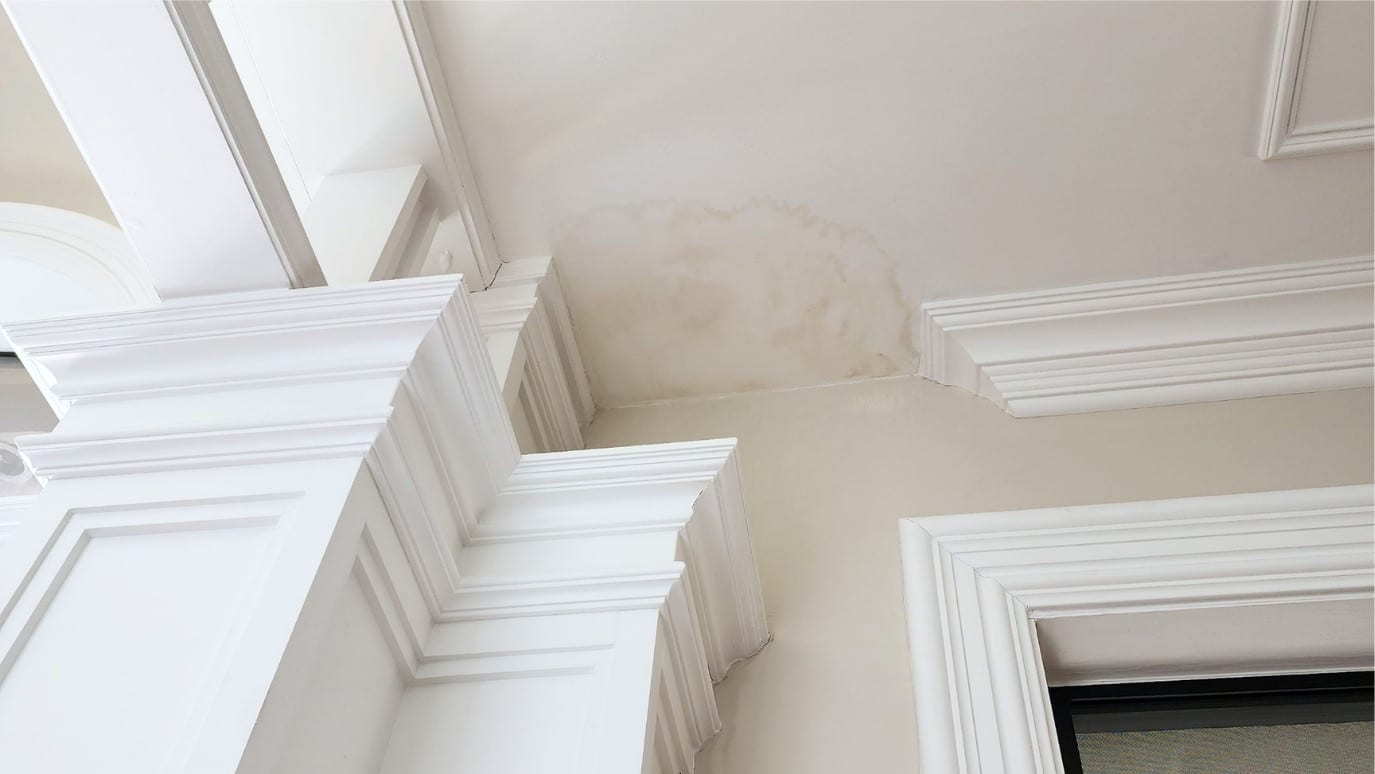
On a flat or low-slope roof, water may enter in one area and travel horizontally under the roofing system before it finally appears inside the home. That makes it harder to know exactly where the problem begins and ends. It also makes small patches harder to warranty because water may still get under the system from outside the repaired area.
That does not mean partial work on a flat roof is impossible. It means the homeowner needs to understand the limitation. A roofer may be able to patch or replace a defined section, but that may not permanently resolve the issue if water is entering somewhere else.
When Partial Roof Replacement Makes Sense
Partial roof replacement can be a good option when the damage is limited, the rest of the roof is still in good condition, and the roofer can tie the new work into the old roof properly.
| Situation | Why Partial Replacement May Work |
|---|---|
|
|
The key word is confidence.
If the roofer can confidently identify the damaged section, separate it from the rest of the roof, and protect the transition between old and new materials, partial replacement may be reasonable.
If the roofer is guessing, or if the surrounding roof is already worn out, partial replacement becomes much riskier.
Short-Term Roof Repairs and Long-Term Roof Solutions Are Different Decisions
A homeowner may ask for partial replacement because they are trying to solve the problem permanently. Another homeowner may only need to get through the next few months while they plan for a larger project.
Those are different conversations.
If the goal is a long-term solution, the roofer needs to evaluate whether the partial replacement will actually solve the problem and hold up over time.
If the goal is temporary protection, the roofer should explain that clearly. A short-term repair may help a homeowner get through a season or buy time for budgeting, but it should not be presented as the same thing as a full roof solution.
This distinction matters because some roofs are too far gone for patching to be a responsible recommendation. If the overall roof condition is poor enough that even the repair is likely to fail, a contractor should be honest about that.
A good roofer should be honest when a repair is unlikely to hold, even if that means recommending against the smaller, cheaper option.
Why Partial Roof Replacement Needs a Natural Stopping Point
A roof is a connected system.
If you replace only part of it, the new section has to stop somewhere. That stopping point matters because the transition between old and new materials can become a future leak risk if it is not handled correctly.
Good stopping points may include:
| Natural Stopping Point | Why It Helps |
|---|---|
|
|
Problems start when partial replacement cuts through areas that were not meant to be separated.
If the new roof section has to be forced into the old one without a clean transition, the risk of leaks goes up. The homeowner may save money upfront, but the roof may become harder to maintain and more vulnerable during monsoon storms.
Why Valleys Are Risky Places to Stop a Partial Roof Replacement
Valleys are one of the most important areas to evaluate before replacing only part of a roof.
A valley is where two roof planes meet and direct water downward. During Phoenix monsoon storms, valleys can move a large amount of water very quickly.
That makes valleys a higher-risk area for partial replacement.
If new roofing materials have to tie into old materials through a valley, the transition must be handled carefully. Poor valley tie-ins can create weak seams, water-entry points, and long-term reliability issues.
That does not mean partial replacement is impossible near a valley. It means the roofer needs to inspect the roof carefully before recommending it.
For homeowners, the question is simple:
Will the partial replacement stop at a clean transition, or will it cut through one of the roof’s main water paths?
If it cuts through a major water path, the risk may be higher.
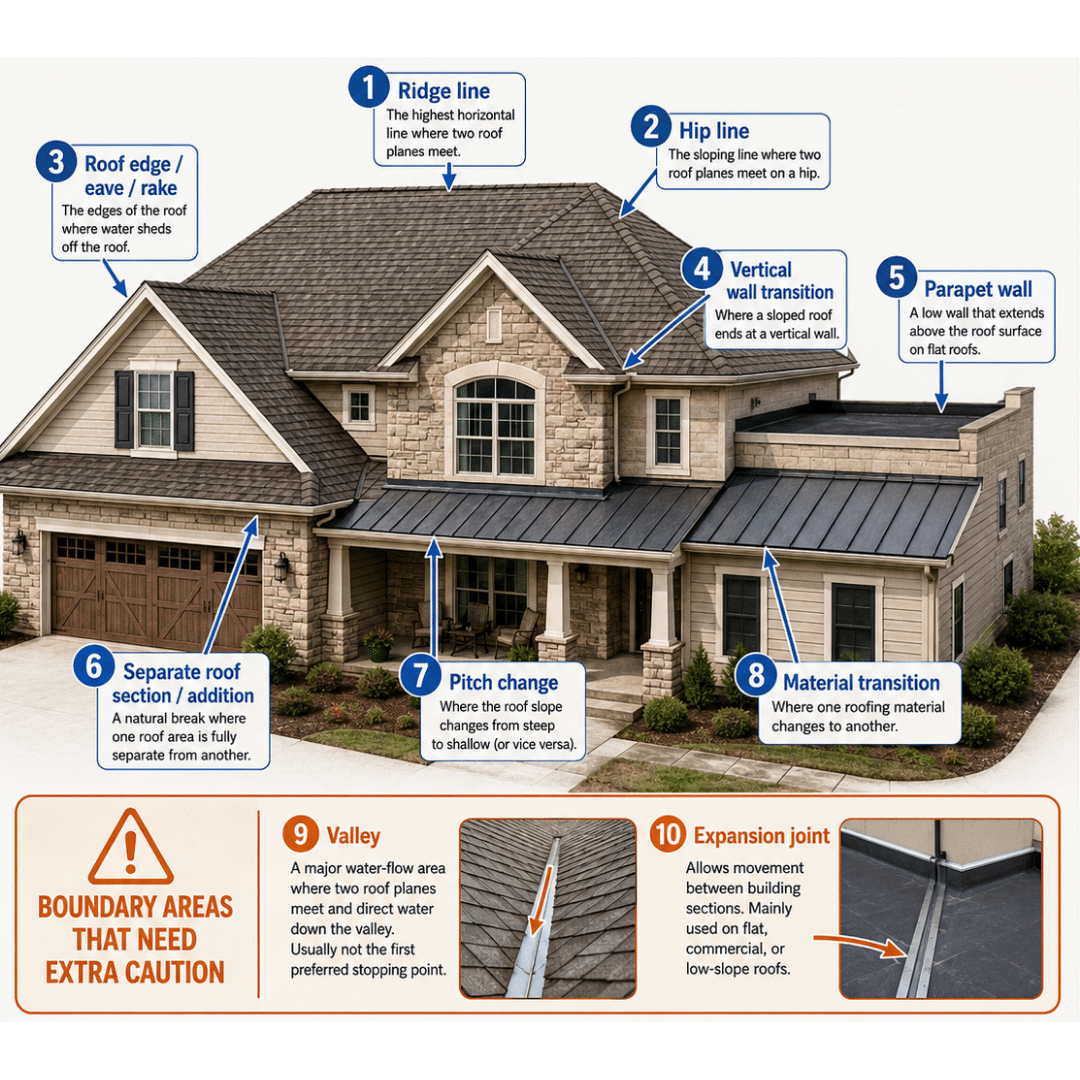
Why the Rest of the Roof Still Needs Meaningful Life Left
Partial replacement only makes sense if the rest of the roof is still worth preserving.
If most of the roof is in good shape, replacing one damaged section can be practical. But if the roof is already near the end of its life, partial replacement may only delay a larger project.
This is where homeowners sometimes spend more than they expected.
They replace one section this year. Another section starts leaking next year. Then another problem appears after the next monsoon season. At that point, they may realize they are slowly paying for the roof in pieces instead of solving the larger issue once.
There is also a practical cost to doing roof work multiple times. Each project requires someone to come to the home, inspect or re-inspect the roof, prepare a scope, order or gather materials, schedule the crew, set up the jobsite, protect the property, complete the work, clean up, document the repair, and manage the internal office work behind the project.
If a homeowner replaces one section now, another section next year, and another section after that, they may end up paying for that setup and coordination several times. In some cases, unless budget constraints make phased work necessary, replacing the full roof or a larger logical section can be more cost-effective than doing the same process over and over.
That does not mean partial replacement is always wrong. Sometimes buying time or phasing the work is the right decision, especially when budget is the main constraint. But it should be a clear decision. A homeowner should understand whether partial replacement is expected to solve the problem for years, reduce the immediate financial burden, or simply help them get through a season while they plan for a larger project.
How Partial Roof Replacement Differs by Roof Type
Partial replacement is not the same on every roof system.
Tile, shingle, foam, metal, and flat roof systems all have different risks, stopping points, tie-in details, and warranty limitations.
|
Roof Type |
Partial Replacement Considerations |
|---|---|
|
Tile roof |
One slope or section may be replaced if the underlayment issue is isolated |
|
Shingle roof |
Matching color, brittleness, and tie-ins can be difficult on older shingles |
|
Foam roof |
Water can travel, and coating condition, tie-ins, and old foam condition matter |
|
Metal roof |
Panel layout, seams, fastening, and transitions can make partial work more complex |
|
Flat roof section |
Drainage, scuppers, parapets, ponding, and existing repairs affect the decision |
Homeowners often think of partial replacement in terms of square footage. Roofers think about it in terms of systems, water paths, transitions, and remaining roof life.
The smaller project is not always the simpler project.
Why Tile Roofs Can Sometimes Be Replaced by Section or Slope
Tile roofs are common in Phoenix, and they can sometimes be good candidates for partial replacement when the problem is isolated to one section or one slope.
That is because a sloped tile roof usually has more defined roof planes. If the issue is located in the middle of one slope and the surrounding roof is still in good condition, a roofer may be able to replace that section or slope with confidence.
But tile roofs can also be misleading.
The visible tile may last much longer than the waterproofing underneath. On many tile roofs, the underlayment is the actual waterproofing layer. The tile protects the roof and adds durability, but the underlayment is what keeps water out of the home.
That means a homeowner may see one leak and assume only one small section needs work. During inspection, the roofer may find that the underlayment is dry, brittle, or aging across a much larger area.
Partial tile roof replacement may make sense if the problem is truly isolated and the surrounding underlayment still has life left. It becomes riskier when the new work has to tie into an older waterproofing system that is already weakening.
Why Flat Roof Patches Can Be Harder to Guarantee
Flat roof repairs and partial replacements can be more difficult to guarantee than sloped roof sections. The reason is water movement.
On a sloped roof, water generally moves downhill. On a flat or low-slope roof, water can enter through one weak point, move horizontally under the system, and show up somewhere else inside the home.
That makes it harder to say, “This small repaired area will stop the leak permanently,” unless the surrounding roof condition is also understood.
A small flat roof patch may still be the right decision if the homeowner needs a short-term solution or if the problem is clearly isolated. But the warranty and expectations should be very clear.
The contractor may be able to warranty the workmanship on the patch itself without guaranteeing that the entire flat roof will stop leaking.
Why Shingle Roofs Can Be Hard to Match After Years of Phoenix Sun
Partial replacement on a shingle roof can be difficult because shingles age visibly in Phoenix.
Heat, UV exposure, dust, and monsoon weather can fade the shingles, loosen granules, and make older materials more brittle. Even if the same brand and color are available, the new shingles may not match the older section perfectly. Appearance is not the only issue.
Older shingles can be harder to tie into because they may crack, lift, or break during repair work. If the surrounding shingles are already brittle, replacing one section may disturb materials around it.
Partial shingle replacement can still work, but the roofer should evaluate the condition of the surrounding shingles before promising a clean result.
Why Foam Roofs Depend on Coating Condition and Tie-Ins
Foam roofs can sometimes be repaired or restored in sections, but the condition of the existing foam and coating matters.
With foam roofing, the protective coating acts almost like sunscreen. It protects the foam from UV exposure. If the coating has worn down, the foam can become chalky, brittle, or damaged.
A partial foam repair may make sense if the problem is isolated and the surrounding coating is still performing. But if the coating is failing across a larger area, a small repair may not solve the bigger issue.
The roofer also needs to consider tie-ins, drainage, ponding areas, previous repairs, and whether new coating will bond properly to the existing surface.
Foam can be very effective in Phoenix, but maintenance timing matters. Waiting too long can turn a manageable repair or recoat into a larger restoration.
Why Old and New Roofing Materials Can Be Hard to Blend
Even when the same roof material is used, old and new materials do not always behave the same way.
The older section has already been exposed to years of Phoenix heat, UV, dust, wind, and monsoon weather. The new section starts fresh.
That can create differences in:
|
Difference |
Why It Matters |
|---|---|
|
Appearance |
New materials may not match faded older materials |
|
Flexibility |
Older materials may be more brittle |
|
Sealing |
Old and new materials may not bond or seal the same way |
|
Drainage details |
Water may move differently across repaired areas |
|
Warranty coverage |
The new section and old section may not be covered the same way |
|
Long-term performance |
The older section may fail before the new section wears out |
The issue is not just whether the roof looks acceptable from the street.
The bigger question is whether the transition between old and new materials will perform properly over time.
How Partial Replacement Can Affect Roof Warranty Coverage
Warranty coverage can become more complicated when only part of the roof is replaced.
A full slope replacement may allow the contractor to provide a stronger warranty on that defined section because the work has clear boundaries and natural stopping points.
A small patch or partial repair inside a larger roof section is different. In that case, the contractor may only be able to warranty the specific workmanship performed in that small area.
That is not the same as a full roof warranty or a no-leak warranty.
For example, if a roofer repairs one patch on a flat roof, but water enters 20 feet away and travels under the system into that same area, the patch itself may not have failed. The larger roof system may still be allowing water in.
That is why homeowners should ask exactly what is being warrantied.
|
Warranty Question |
Why It Matters |
|---|---|
|
What part of the roof will be covered? |
Partial work may not cover the entire roof system |
|
Is this a workmanship warranty or a roof warranty? |
A repair warranty may only apply to the work performed |
|
What happens if the leak appears near the tie-in? |
Transition areas can be more complicated |
|
Does the old section still have coverage? |
Older materials may be outside warranty |
|
What voids the warranty? |
Future work, poor maintenance, or other issues may affect coverage |
|
Will I receive photos or documentation? |
Documentation helps clarify what was done |
This does not mean partial replacement is a bad idea. It means the warranty should be explained clearly before the homeowner makes a decision.
When Partial Roof Replacement Can Backfire
Partial replacement becomes risky when the roof problem is not truly isolated or when the surrounding roof is already too worn to support the new work.
It can backfire when:
|
Risk Factor |
Why It Creates Problems |
|---|---|
|
The leak source is uncertain |
The wrong section may be replaced |
|
The roof is aging in multiple areas |
Another section may fail soon after |
|
There is no natural stopping point |
The new work may create weak tie-ins |
|
Valleys or major water paths are involved |
Water volume increases leak risk |
|
Old materials are brittle or worn |
Tie-ins may not hold up well |
|
Matching materials are unavailable |
Appearance and performance may be affected |
|
Warranty boundaries are unclear |
The homeowner may not know what is covered |
|
The repair is only buying time |
The homeowner may still need replacement soon |
A good contractor should be honest about whether partial replacement is a real solution or only a temporary step. Sometimes buying time is reasonable. But the homeowner should know that is what they are doing.
What If You Are Not Ready for a Full Roof Replacement?
Not every homeowner is ready for a full roof replacement, and that is understandable.
An honest roofer will not automatically jump to the biggest project. They should help the homeowner understand the available options and tradeoffs.
Depending on the roof condition, possible options may include:
|
Option |
When It May Make Sense |
|---|---|
|
Targeted repair |
The problem is small and clearly isolated |
|
Partial replacement |
One section is failing but the rest of the roof has life left |
|
Temporary repair |
The homeowner needs time to plan or get through a season |
|
Phased replacement |
The roof can be divided into logical sections |
|
Full replacement |
The system is aging broadly or multiple areas are failing |
|
Financing |
The larger project is needed, but timing or budget is a concern |
The right answer depends on the roof, the budget, and the homeowner’s timeline.
Sometimes the best decision is to repair or replace part of the roof now and plan for a larger project later. Other times, it makes more sense to stop putting money into sections and replace the roof properly.
The important thing is honesty. A temporary repair should be presented as temporary. A partial replacement should be explained as limited. A full replacement should be recommended when the condition of the roof truly supports that recommendation.
How Roofers Decide Whether Partial Roof Replacement Makes Sense
When a roofing contractor evaluates partial replacement, they are usually asking practical questions about the whole roof system, not just the damaged area.
|
Question |
Why It Matters |
|---|---|
|
Is the problem truly isolated? |
Partial replacement works best when the issue is contained |
|
Is the roof sloped or flat? |
Sloped sections are often easier to separate than flat roof areas |
|
Is there a natural stopping point? |
Clean transitions reduce leak risk |
|
Is the surrounding roof still healthy? |
Old surrounding materials can shorten the value of the new work |
|
Are valleys or major water paths involved? |
These areas are higher risk during storms |
|
Can the new section tie into the old roof properly? |
Poor tie-ins are one of the biggest failure points |
|
Can the materials be matched or blended? |
Appearance and performance may be affected |
|
How will the warranty work? |
Partial replacement can create different coverage areas |
|
Is the homeowner looking for a short-term or long-term solution? |
The recommendation should match the homeowner’s goal |
|
Will this solve the problem or only delay replacement? |
The homeowner should understand the long-term tradeoff |
This is why inspection matters.
Partial replacement is not just a pricing decision. It is a roof-system decision.
Questions Homeowners Should Ask Before Replacing Part of a Roof
Before agreeing to partial roof replacement, homeowners should ask the contractor direct questions.
|
Question |
What You Are Trying to Learn |
|---|---|
|
Why do you think partial replacement makes sense here? |
Whether the recommendation is based on roof condition, not just price |
|
Where will the new work stop? |
Whether there is a clean transition point |
|
Is this a sloped section or a flat roof area? |
Flat roofs may be harder to isolate and warranty |
|
How will the new section tie into the old roof? |
Whether the connection is reliable |
|
Is the rest of the roof still in good condition? |
Whether the old roof is worth preserving |
|
Are any valleys or high-water areas involved? |
Whether the project has higher leak risk |
|
What could still leak after this work is done? |
Whether the homeowner understands the limits |
|
Is this a workmanship warranty or a roof warranty? |
Whether the homeowner understands the coverage |
|
Is this a long-term fix or a way to buy time? |
Whether the homeowner is making a clear financial decision |
|
What would full replacement solve that partial replacement will not? |
Whether the cheaper option leaves important risks |
These questions help homeowners compare partial replacement against repair, temporary work, or full replacement.
The goal is not to pressure homeowners into a bigger project. The goal is to make sure they know what they are choosing.
Bottom Line: Partial Roof Replacement Can Work When the Roof Allows It
Yes, you can replace just part of a roof. And sometimes it is the right move.
Partial replacement usually works best when the damage is clearly contained, the roof has a natural place to separate the work, and the rest of the roofing system still has meaningful life left.
It is usually easier to define partial replacement on sloped roofs because slopes create clearer sections. Flat roofs can be more difficult because water can travel horizontally and show up away from the original entry point.
If those conditions are not present, partial replacement can become a short-term fix that leads to more repairs later.
The goal is not to replace the least amount of roof possible. The goal is to make the smartest decision for the roof, the home, and the homeowner’s budget.
What to Do Next
If you are considering partial roof replacement, start with a proper roof inspection.
A good inspection should help answer whether the problem is isolated, where the tie-in points would be, what risks are involved, how the warranty would work, and how partial replacement compares to repair or full replacement.
Once you understand those tradeoffs, you can make a decision that fits your situation instead of guessing based only on price.