Jeff Nickerson, Technical Roofing Consultant
Date: June 10th, 2026
The Quick Answer (TL;DR)
Most homeowners in Phoenix pay somewhere between $10,000 and $30,000+ for a roof replacement, depending on the roofing system, roof complexity, and the size of the home.
For example, a simpler 3,000-square-foot foam roof may land near the lower end of that range, while a large two-story tile roof requiring extensive labor and premium waterproofing work will likely go well beyond that range.
You might be surprised to see two quotes for the same house that are $10k apart. Usually, that’s because the scope of work is completely different.
You are not just paying for the visible roofing material (especially with tile roofs). You are paying for labor, waterproofing, code-required components, and the complexity of the roof itself.
And in Phoenix, complexity matters more than most homeowners realize.
Roofs Aren’t Fun
You know it’s true. Replacing a roof is a major investment. For most people, it is not a “fun” purchase like remodeling a kitchen or building a backyard pool. It usually happens because something forced the issue.
Maybe a leak will not stop dripping. Maybe there are stains spreading across your ceiling. Maybe your neighbor with the same age home just replaced theirs, and now you are wondering if they overreacted or if you’re pushing your luck.
So you start researching prices. That is usually when the frustration starts.
One company says $15,000. Another says $28,000. But most will say, “It depends.”
It can be frustrating especially when you’re just trying to figure out whether you are dealing with a manageable project or a financial disaster.
The reality is that roofing prices in Phoenix can vary dramatically because not all roofs — or roofing systems — are built the same.
So, What Does a Roof Replacement Cost in Phoenix?
Most homeowners land somewhere between $10,000 and $30,000+, but that range alone does not tell the full story.
Two homes that look nearly identical from the street can have completely different roofing costs once the work begins.
The type of roof matters. The size matters. But labor, complexity, access, and what is hidden underneath often matter just as much. A simple roof moves fast. A complicated roof does not. And that difference alone can change the price by thousands of dollars.

Roofing Material Costs: What Are You Really Paying For?
1. Tile Roof Replacement
- Underlayment Only (R&R): $3.50 – $7.50 per sq. ft.
- Full New Tile Roof: $9.00 – $13.00+ per sq. ft.
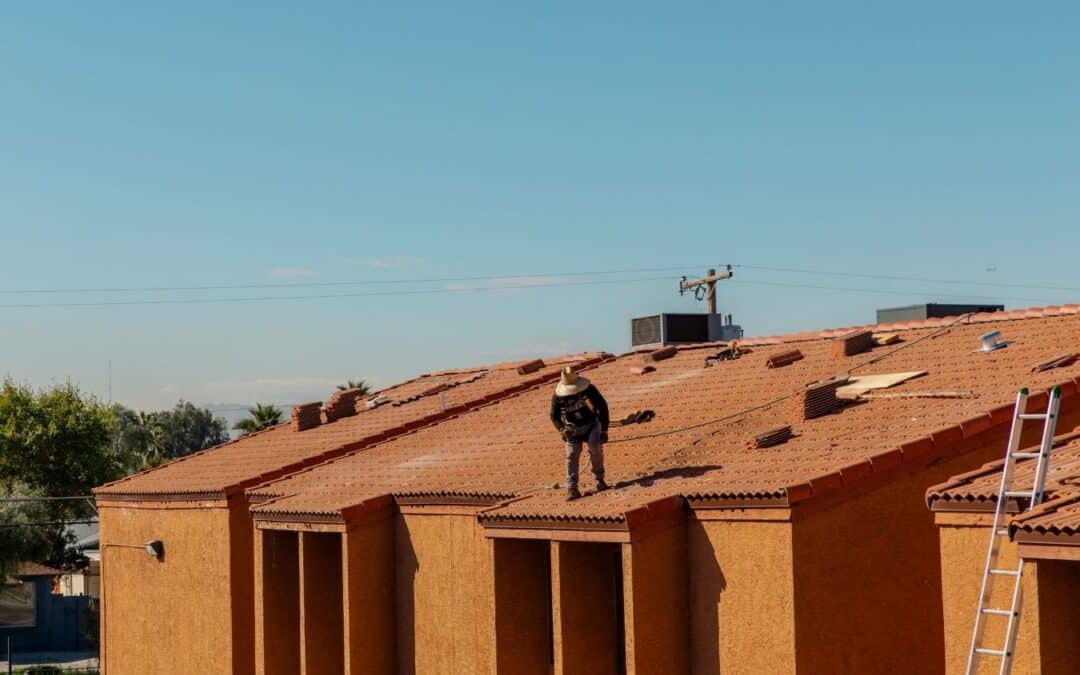
Tile roofs are one of the most common roofing systems in Phoenix, especially on newer homes in many master-planned communities throughout the Valley.
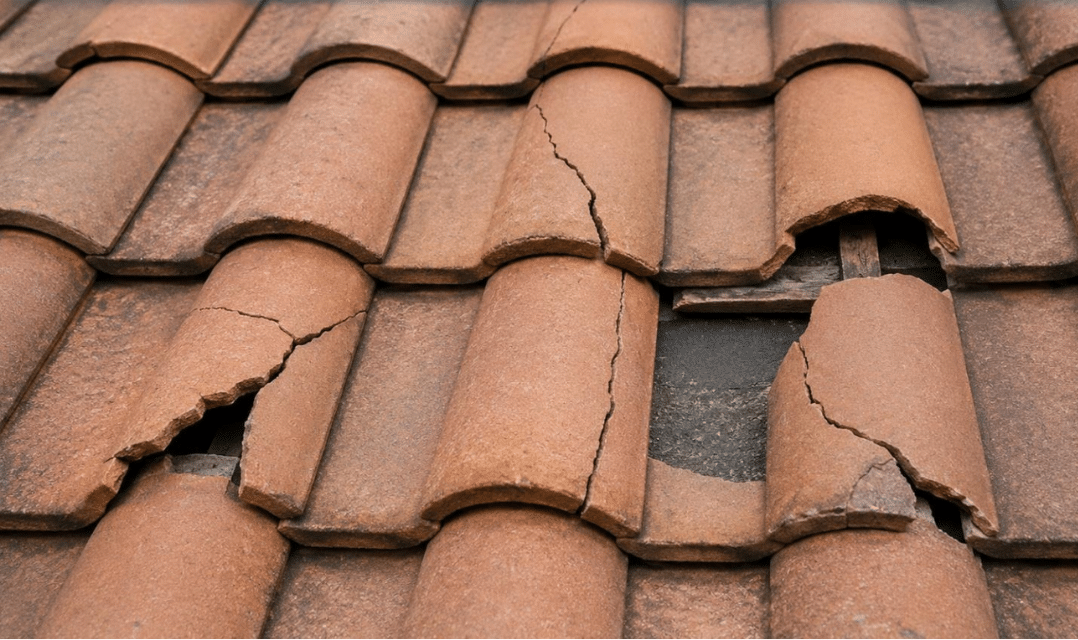
What many homeowners do not realize is that the tile itself is often not the problem. Concrete and clay tiles can last 50 years or more. The real failure usually happens underneath, where the waterproof underlayment has been slowly “cooked” by years of extreme Phoenix heat.
That is why many tile projects are called a “remove and replace” or “R&R.” The existing tiles are carefully removed and stacked, the waterproofing system underneath is rebuilt, and then the original tiles are reinstalled with replacement tiles added where necessary.
A true brand-new tile roof — where both the tile and the entire roofing system are replaced from scratch — is significantly more expensive.
Tile roofs are also extremely labor intensive. On a typical remove-and-replace project, crews are physically moving thousands of pounds of tile twice: once to remove it, and again to reinstall it after the waterproofing system has been rebuilt.
On larger two-story homes, that process can take nearly a week depending on roof complexity, valleys, fascia condition, wood damage, and how difficult the roof is to access. That is one reason tile roofs are often among the most expensive roofing systems in Phoenix, even when the original tile is being reused.
Important: Roofing is priced based on roof square footage, not livable square footage. Because of slopes, overhangs, elevations, and roof design, your roof is usually much larger than the footprint of your home.
For Phoenix homes, a practical estimate would be:
| Roof Type / Shape | Approx. Roof Sq. Ft. vs Home Footprint |
|---|---|
| Flat roof or very low slope | +0% to +10% |
| Simple low-pitch roof | +10% to +15% |
| Moderate-pitch roof | +15% to +25% |
| Steeper or more complex roof | +25% to +40%+ |
So if a homeowner has a 2,500 sq. ft. home, the roof might be roughly:
- flat/simple roof: 2,500–2,750 sq. ft.
- typical pitched roof: 2,875–3,125 sq. ft.
complex/steeper roof: 3,250+ sq. ft.
2. Foam Roof Cost
- Typical Cost: $3.50 – $5.50 per sq. ft.
If you have a flat roof, spray foam is one of the most common roofing options in Arizona.
Foam creates a seamless waterproof barrier while also adding insulation value, which can help reduce heat transfer into the home.
Compared to tile roofs, foam systems are generally faster and less labor intensive to install. On a straightforward home, a foam roof can often be completed relatively quickly if weather conditions cooperate.
Still, foam comes with its own challenges. Conditions like humidity can affect installation quality, and foam is a roof that requires ongoing maintenance over time.
Most foam roofs need recoating every 5–10 years. Homeowners who stay ahead of that maintenance can often avoid a much larger replacement cost later.
3. Asphalt Shingle Roof Cost
- Typical Cost: $5.00 – $9.00 per sq. ft.
Shingles are usually the cheapest roofing option upfront, which is why many homeowners consider them first.
But Phoenix is extremely hard on shingles.
In cooler parts of the country, shingles might last 25 years or more. In Arizona, the heat and UV exposure can cause them to dry out, curl, crack, and lose protective granules much earlier.
Most Phoenix homeowners should realistically expect something closer to 12–15 years depending on ventilation, attic heat, installation quality, and sun exposure.
Roof complexity also matters heavily with shingles. Features like HVAC units, skylights, multiple roof levels, valleys, and ventilation upgrades all increase labor and detailing requirements.
4. Metal Roof Cost
- Typical Cost: $21.00 – $26.00+ per sq. ft.
Metal roofing is considered a premium system in Phoenix.
It is extremely durable, lightweight, energy efficient, and can last decades when properly installed.
The downside is the upfront cost and the skill required to install it correctly. Metal roofing mistakes are expensive, which is why installation quality matters heavily.
Homeowners should also check HOA restrictions before seriously considering metal roofing, since some neighborhoods regulate roofing appearance and materials.

Why Do Roofing Quotes Vary So Much?
This is one of the biggest sources of confusion for homeowners.
You may receive three bids for the same house and find a $10,000 difference between the highest and lowest quote.
The problem is that many homeowners assume they are comparing “apples to apples” when they really are not.
In Phoenix, most established roofing companies are usually in a fairly similar price range because they are accounting for many of the same things:
- upgraded underlayment systems
- proper ventilation
- updated flashings
- code-required components
- labor
- insurance
- licensing
- safety requirements
The extremely cheap quotes often leave out the things homeowners cannot easily see.
Sometimes that means:
- reusing old flashings
- skipping ventilation upgrades
- installing lower-grade underlayment
- avoiding code-required improvements
- or simply doing the minimum needed to get the roof back on
From the street, both roofs may look identical.
Five years later, they may perform very differently.
What Actually Changes the Price?
Roof Size & Pitch
Square footage is only the starting point. Steeper roofs are slower, more dangerous, and require additional safety equipment and labor time.
Roof Complexity
Roofs with multiple levels, steep transitions, dead valleys, skylights, parapet walls, HVAC units, or difficult access points simply require more labor hours and more detailed waterproofing work. A simple roof moves fast. A complicated roof does not.
Ventilation Upgrades
This is especially important in Phoenix, where attic temperatures can exceed 160°F during summer.
Proper ventilation helps regulate heat and moisture buildup, which can significantly affect how long roofing materials last.
Contractor Legitimacy
Reputable roofing companies build the cost of licensing, insurance, worker’s compensation, trained labor, and code compliance into their bids. They also account for current building code requirements.
For example, items like valley metal, eave closures, flashing systems, and ventilation upgrades may need to be brought up to current standards during a roof replacement.
Established contractors know these details matter because if something fails later, those components are often among the first things inspected.
Less reputable and cheaper contractors sometimes skip these upgrades to lower the price — even though homeowners may never realize what was left out.

The Part You Don’t See Coming: Hidden Costs
This is the part that surprises many homeowners.
Once the old roofing system is removed, hidden issues sometimes appear underneath.
Common examples include:
- Damaged or rotted decking from long-term leaks
- Damaged fascia or wood trim
- Structural weak points
- Old flashing failures around penetrations
A good roofing contractor should prepare you for this possibility upfront and explain how additional repairs are handled before work begins.
Why Roofing Quotes Sometimes Cluster Together
Many homeowners expect roofing quotes to vary wildly between companies.
And sometimes they do. But if you compare estimates from several established roofing contractors in Phoenix, you may notice that many of them end up surprisingly close in price.
That is usually because reputable companies are often doing many of the same things:
- pulling permits
- following code requirements
- carrying insurance
- replacing critical components properly
- using trained crews
- and standing behind warranties
The very low bids usually come from somewhere else. Sometimes that means corners are being cut. Sometimes important parts of the roofing system are being skipped. And sometimes the scope of work simply is not equivalent, even if the estimates appear similar at first glance.
That does not automatically make every lower-priced contractor bad. But homeowners should understand that roofing estimates are not always comparing the same level of workmanship, materials, or long-term durability.
How to Decide What You Should Spend
The “right” roof depends on your goals.
Planning to stay in the house for 10+ years?
Investing in a higher-quality system often pays off through durability, fewer repairs, and longer lifespan.
Planning to sell soon?
A solid repair or less expensive roofing system may make more financial sense.
Budget tight?
Focus on the waterproofing system first. In Phoenix, what is underneath the roof is often more important than what you see on top.
How Most Phoenix Homeowners Pay for a Roof
Because roofing is a major investment, many homeowners finance at least part of the project.
Common options include:
- Financing through the roofing company
- HELOCs (Home Equity Lines of Credit)
- Home improvement loans
- Insurance claims for storm-related damage
If monsoon winds or hail caused the damage, insurance may cover part of the replacement cost depending on the situation.
Bottom Line
Are you dealing with a $15,000 project or a $40,000 project? Are you comparing the same scope of work? Are corners being cut where you cannot see them? Because in roofing, the cheapest quote is often not the cheapest roof.
The next step is getting a professional inspection with photos and a clear explanation of what is actually failing.
If a contractor cannot show you the problem, they should not be asking you to pay to fix it.