Jeff Nickerson, Technical Roofing Consultant
Last Updated: July 6th, 2026
The Quick Answer
The amount of life left in your roof depends on more than its age.
The roof type, materials used, quality of the original installation, maintenance history, previous repairs, and current condition all matter.
In Phoenix, heat, UV exposure, dust, wind, and monsoon storms bring existing weaknesses to the surface faster.
A roof may still have useful life left even if it looks older. Another roof may look fine from the street while an important waterproofing layer underneath is beginning to fail.
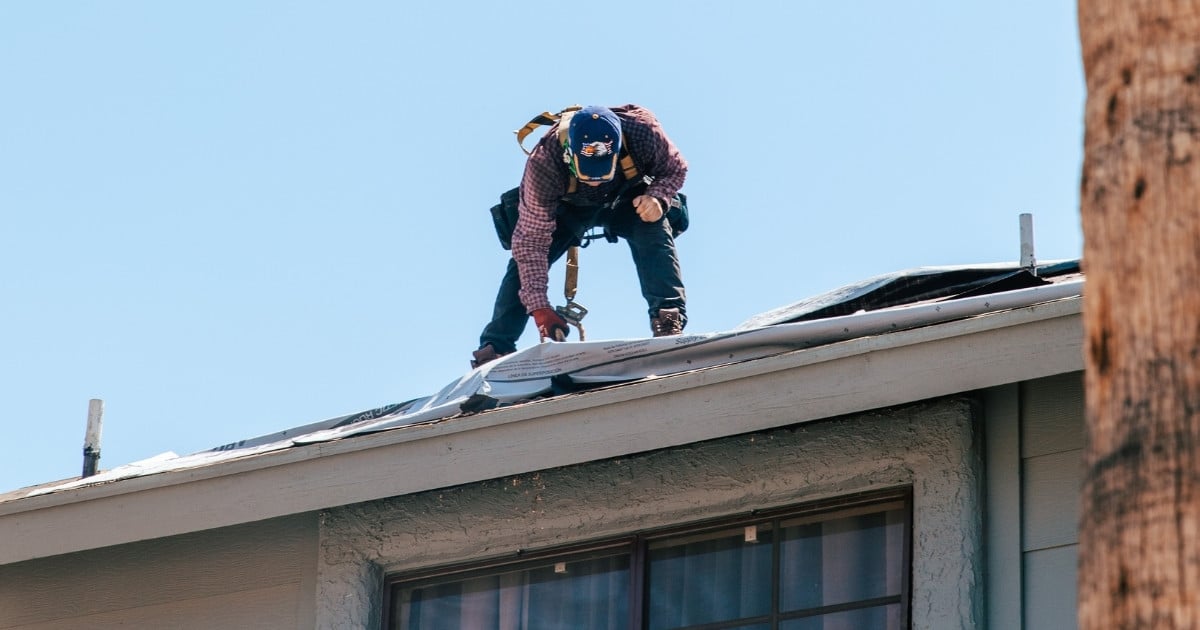
The most reliable way to estimate remaining roof life is to inspect the roof and understand what part of the system is actually wearing out. On a shingle roof, that may be visible granule loss or curling. On a foam or flat roof, it may be cracking or peeling at the surface. On a tile roof, the tiles themselves may look fine while the underlayment underneath is nearing the end of its useful life.
The goal is not to replace a roof too early. It is to understand whether the roof needs maintenance, repair, replacement planning, or immediate attention.
Roof Age Helps, but It Does Not Give You the Whole Answer
It is reasonable to ask how long a roof should last. Most homeowners want to know whether they can repair a problem and move on, or whether they should start budgeting for larger work.
The problem is that the age of a roof does not tell you everything.
Two roofs installed in the same year can age very differently. One may have been installed with better materials and careful detail work. Another may have had poor flashing, weak waterproofing details, improper preparation, or repairs that did not solve the underlying issue.
Maintenance also changes the picture. A foam roof that has been recoated at the right time may perform very differently from one that has been allowed to weather until the foam is exposed. A tile roof with intact-looking tiles may still have aging underlayment beneath it. A shingle roof may not be leaking yet, but the surface may already show that it is breaking down.
That is why remaining life is estimated by looking at the roof system and its condition, not simply by counting years.
Durability of Different Roof Systems: What to Look For?
Phoenix roofs deal with intense sun, high temperatures, blowing dust, wind, and heavy rain during monsoon storms. Those conditions do not affect every roof in the same way, but they can accelerate wear or expose details that were already weak.
Heat and UV exposure can dry out shingles, wear down foam coatings, and contribute to aging in waterproofing layers beneath tile. Heavy rain can reveal problems around flashing, valleys, drains, penetrations, and older repairs. Wind may damage material that has already become brittle or loose.
Installation quality matters just as much as material choice. A strong product installed poorly can fail early. A roof that was prepared correctly and installed with careful flashing, drainage, and transition details may hold up far better over time.
When a roof is inspected, the question is not just, “How old is it?” The question is, “How well is this roof system still doing its job?”
What Remaining Roof Life Looks Like on Different Roof Systems
Each roofing system gives different clues about its remaining life. A sign that matters on shingles may tell you very little about a tile roof or a foam roof.
Shingle Roofs: Look for Granule Loss, Curling, and Breakdown
On a shingle roof, one of the clearest signs of aging is granule loss.
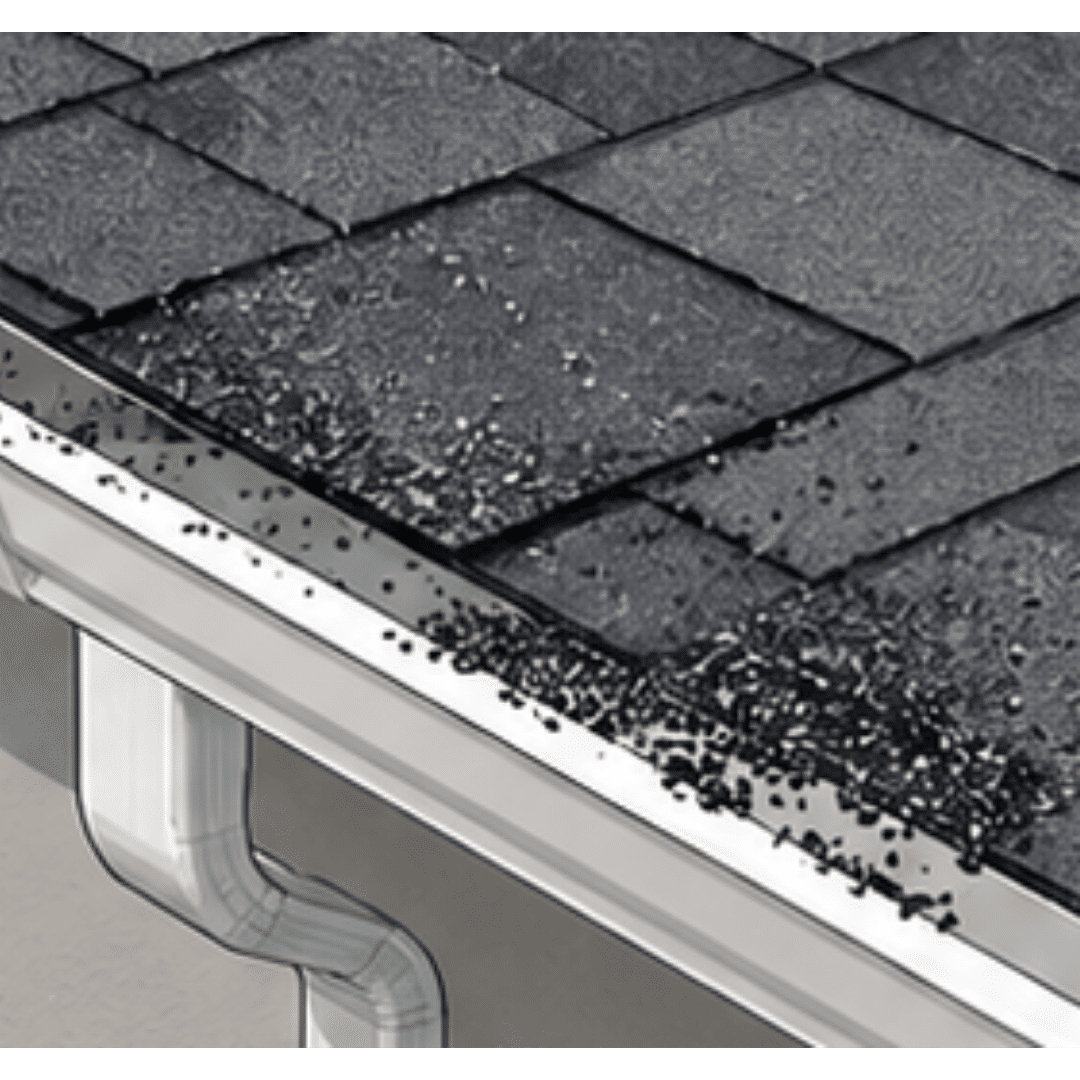
The small, rock-like granules on the surface of shingles help protect them. As shingles age, more of those granules can come loose. Homeowners sometimes notice what looks like small rocks collecting on sidewalks, patios, or near drainage areas after rain. That material may be coming from the shingles.
Some granule loss can occur over time, but heavier or widespread loss can be a sign that the roof surface is wearing out.
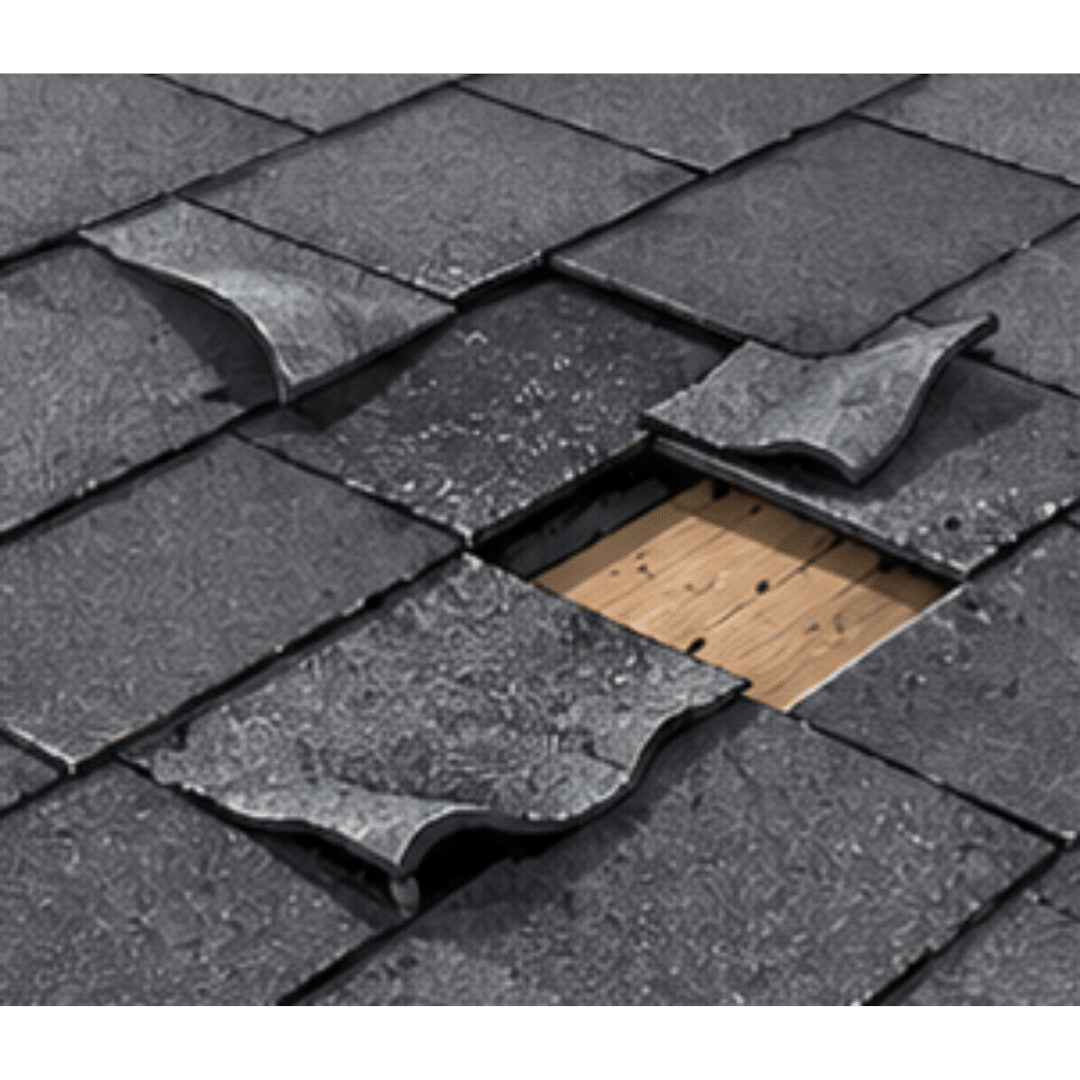
Curling is another warning sign. When the front edges of shingles begin lifting or curling, the material may be becoming dry and brittle. Missing shingles after a storm can also suggest that the roof is no longer holding together as well as it should.
A shingle roof can often be evaluated visually because the material that protects the home is visible from the roof surface. A close inspection may reveal whether the wear is isolated or widespread and whether repair is still practical.
Foam and Flat Roofs: The Surface Condition Matters
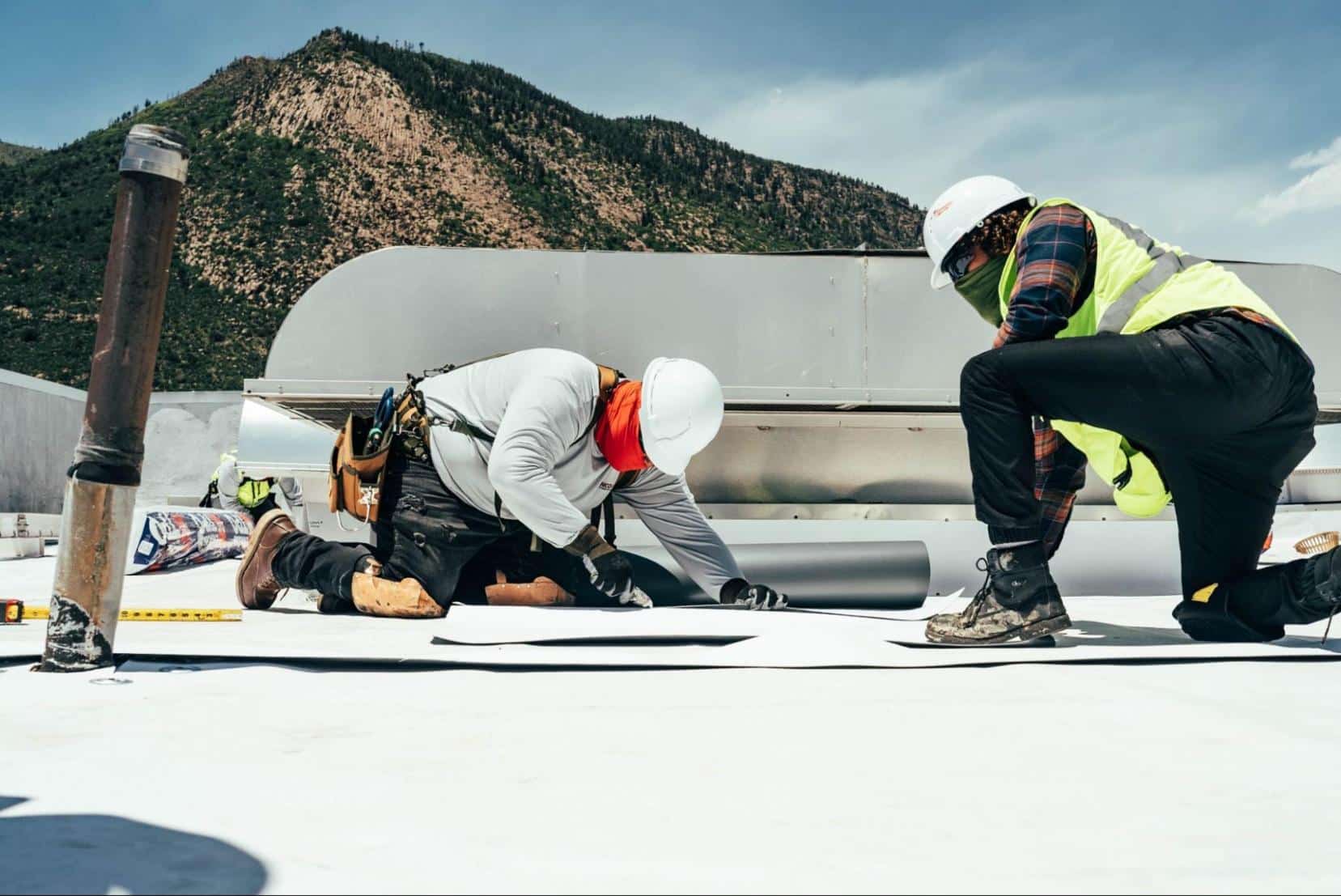
On a foam or flat roof, the condition of the top surface is one of the most important clues.
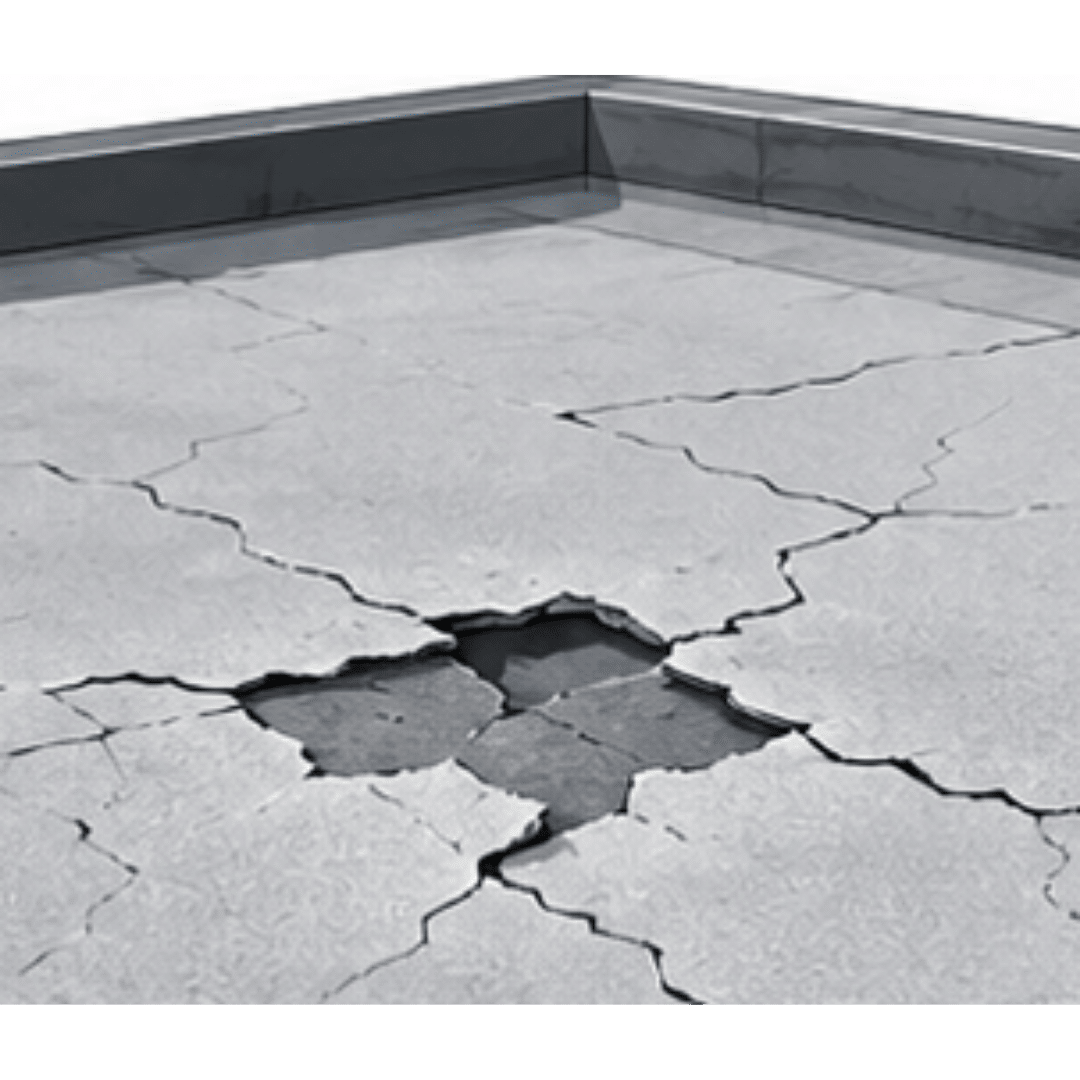
A foam roof depends on its protective coating to shield the foam beneath it. If that coating becomes heavily weathered, cracked, peeling, or worn away, the foam may become vulnerable to sun exposure and moisture.
One of our inspectors describes an aging flat roof surface a lot like dry skin: if the surface looks weathered, cracked, and in need of help, that is a sign the roof should be evaluated.
That does not automatically mean the entire roof needs replacement. Some foam roofs may only need maintenance, repairs, or a recoat if the foam underneath is still sound. But if the surface is badly deteriorated, if moisture has entered the system, or if damaged areas are widespread, the roof may need more significant work.
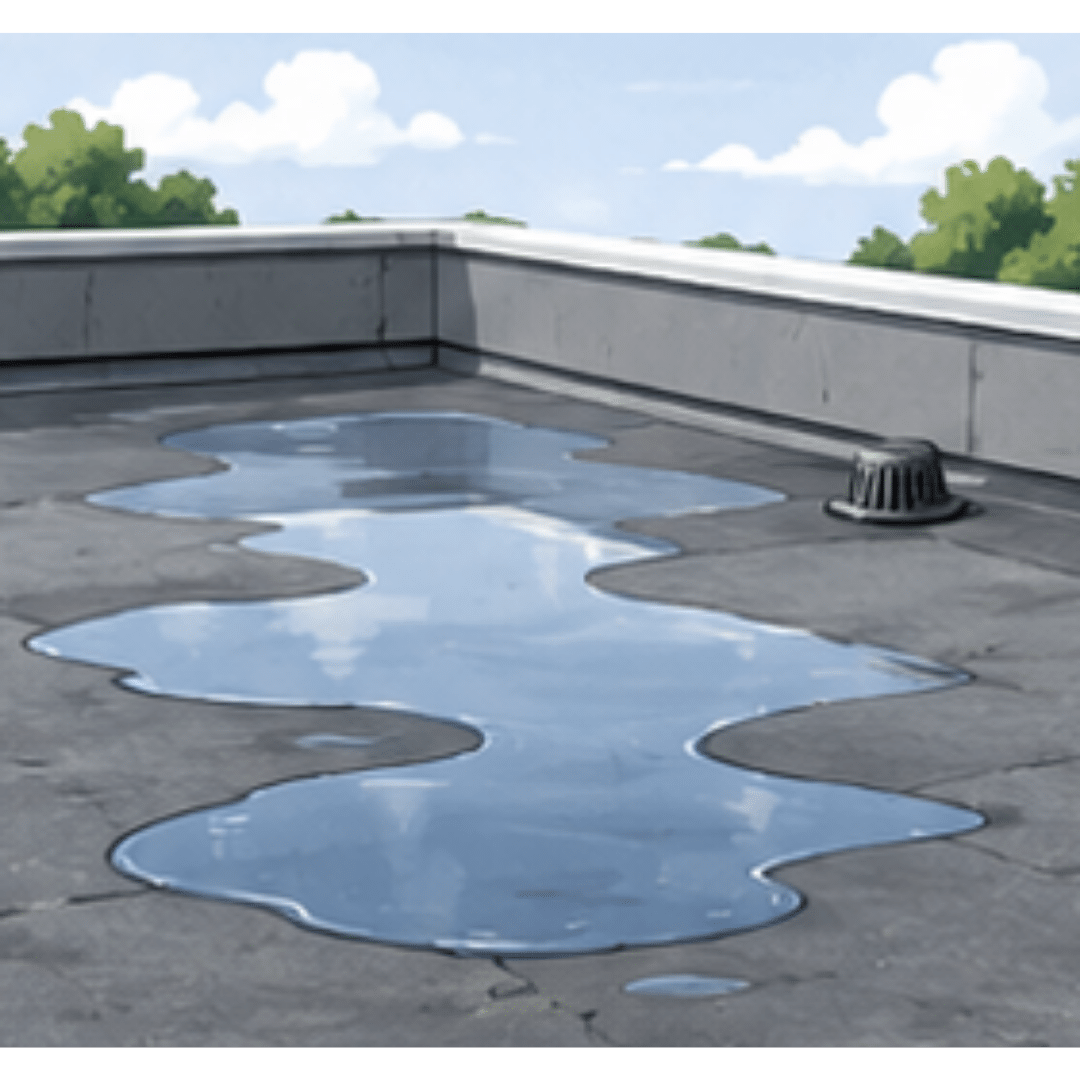
Flat roofs are also affected by drainage. Ponding water, blocked drains, damaged scuppers, and problem areas around AC equipment or penetrations can shorten the useful life of the system.
Tile Roofs: The Tiles May Not Tell You What You Need to Know
Tile roofs are different because the visible tile is often not the part that determines whether the roof is still watertight.
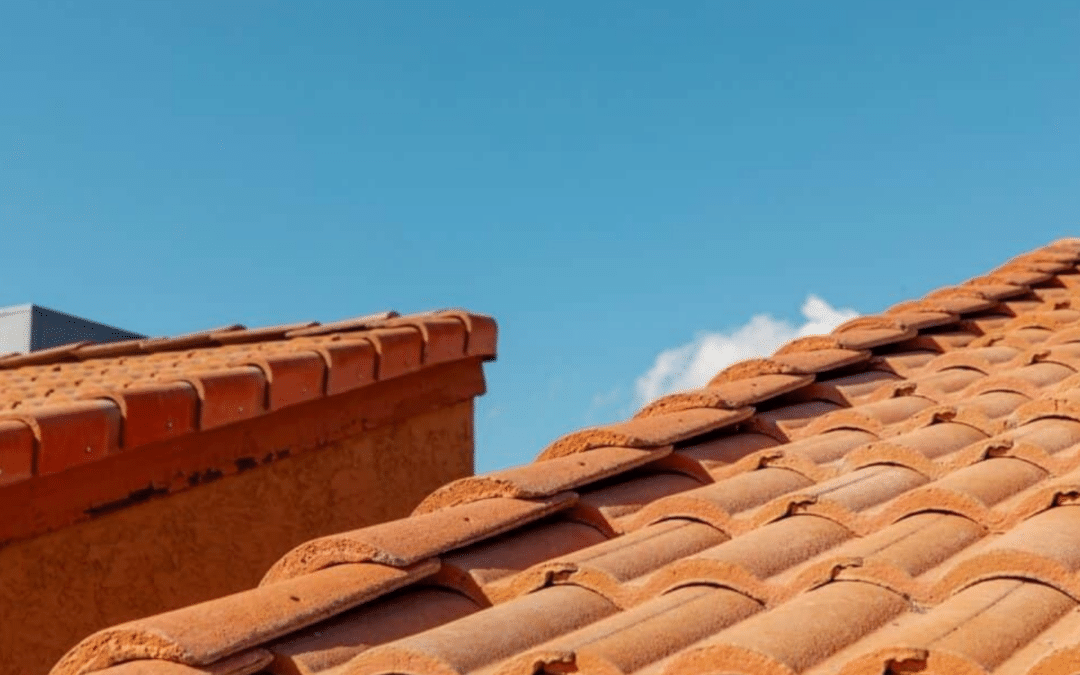
Tile can remain on the roof for a very long time. The underlayment beneath it is usually the waterproofing layer that matters most when estimating remaining roof life.
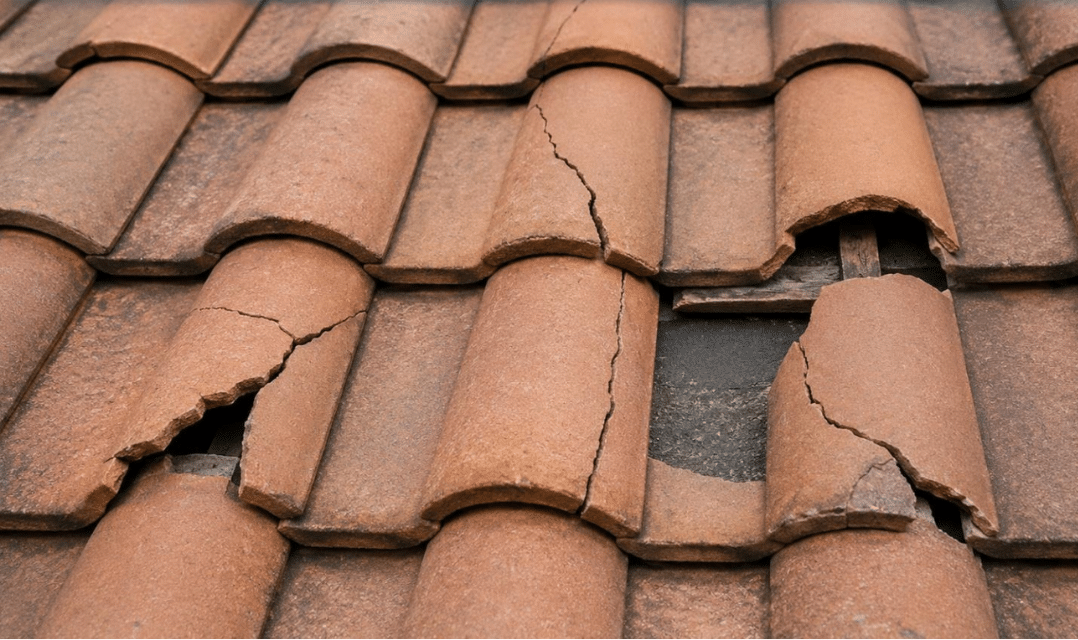
This is why a tile roof can look good from the street but still be nearing a major maintenance or replacement point underneath.
When it is safe and appropriate to do so, selected tiles may be lifted or removed so the underlayment can be checked. One sign of aging is visible along underlayment seams. If the material is beginning to curl at the seams, it may be becoming brittle and more likely to crack beneath the tile, creating a path for water intrusion.
A visual inspection from the ground usually cannot tell you how much life a tile roof has left because it does not reveal the condition of the underlayment. The tile may look intact while the waterproofing layer underneath is failing.
Metal Roofs: Details and Connections Matter
On a metal roof, remaining life often depends on the condition of seams, fasteners, flashing, coatings, penetrations, and installation details.
Metal panels can be durable, but leaks may develop at the connections and transitions rather than across the broad surface of the panel. A roof inspection should look for failed seams, loose fasteners, coating wear, rust where applicable, and problem areas around penetrations or roof-to-wall transitions.
As with any roof system, the material alone does not tell the full story. How the system was installed and how the details have held up matter just as much.
Can Someone Estimate Roof Life Without Getting on the Roof?
Sometimes homeowners hope a roofer can look from the ground, hear the age of the roof, and tell them how many years are left.
In most cases, that is not enough.
For a shingle roof, visible wear may sometimes be apparent from photos, drone footage, or a close visual review. For a flat or foam roof, a drone may show severe surface deterioration, but smaller maintenance issues can be difficult to judge without seeing the roof up close.
For tile roofs, visual inspection alone is especially limited because the main concern is often beneath the tile. Without evaluating the underlayment where possible, it is difficult to give a reliable estimate of remaining life.
There are exceptions. If a homeowner has multiple active leaks, there may already be enough evidence to know the roof needs significant attention. A homeowner with strong records may also be able to provide useful information before the inspection.
But when a roof is not actively leaking and the homeowner wants to know how much life it has left, a physical inspection is usually necessary.
Records Can Help You Plan More Accurately
Many homeowners do not know when their roof was installed or what products were used. That is common, especially when they purchased a home with an existing roof.
But records can make estimating remaining life much easier.
Useful information includes:
| Helpful Record | Why It Matters |
| Installation date | Helps establish how long the system has been in service |
| Roof type and product information | Different materials age differently |
| Underlayment type on tile roofs | The waterproofing layer may determine the planning timeline |
| Coating and recoat history on foam roofs | Shows whether maintenance has been kept current |
| Previous repair records | Helps identify recurring issues or repaired areas |
| Warranty documents | May identify materials, installation dates, and coverage requirements |
For example, if a homeowner knows the type of underlayment used beneath a tile roof and when it was installed, a roofer may be able to offer a much more useful planning conversation even before physically opening areas of the system.
Without that information, the roof itself has to provide the evidence.
Signs Your Roof May Need Attention Soon
Not every sign of wear means replacement. But certain signs should prompt an inspection, especially if several are happening together.
| What You Notice | What It May Mean |
| Granules collecting below a shingle roof | The shingles may be losing their protective surface |
| Curling, cracking, or missing shingles | The shingle material may be becoming brittle or breaking down |
| Cracking or peeling on a foam or flat roof | The protective surface may need repair or maintenance |
| Ponding water on a flat roof | Drainage issues may be stressing the system |
| Ceiling stains or interior water | Water has already found a path into the home |
| Repeated leak repairs | The issue may no longer be isolated |
| Tile roof leaks despite intact-looking tile | The underlayment beneath the tile may be aging or failing |
| Failed flashing or problem areas around penetrations | Common water-entry points may need attention |
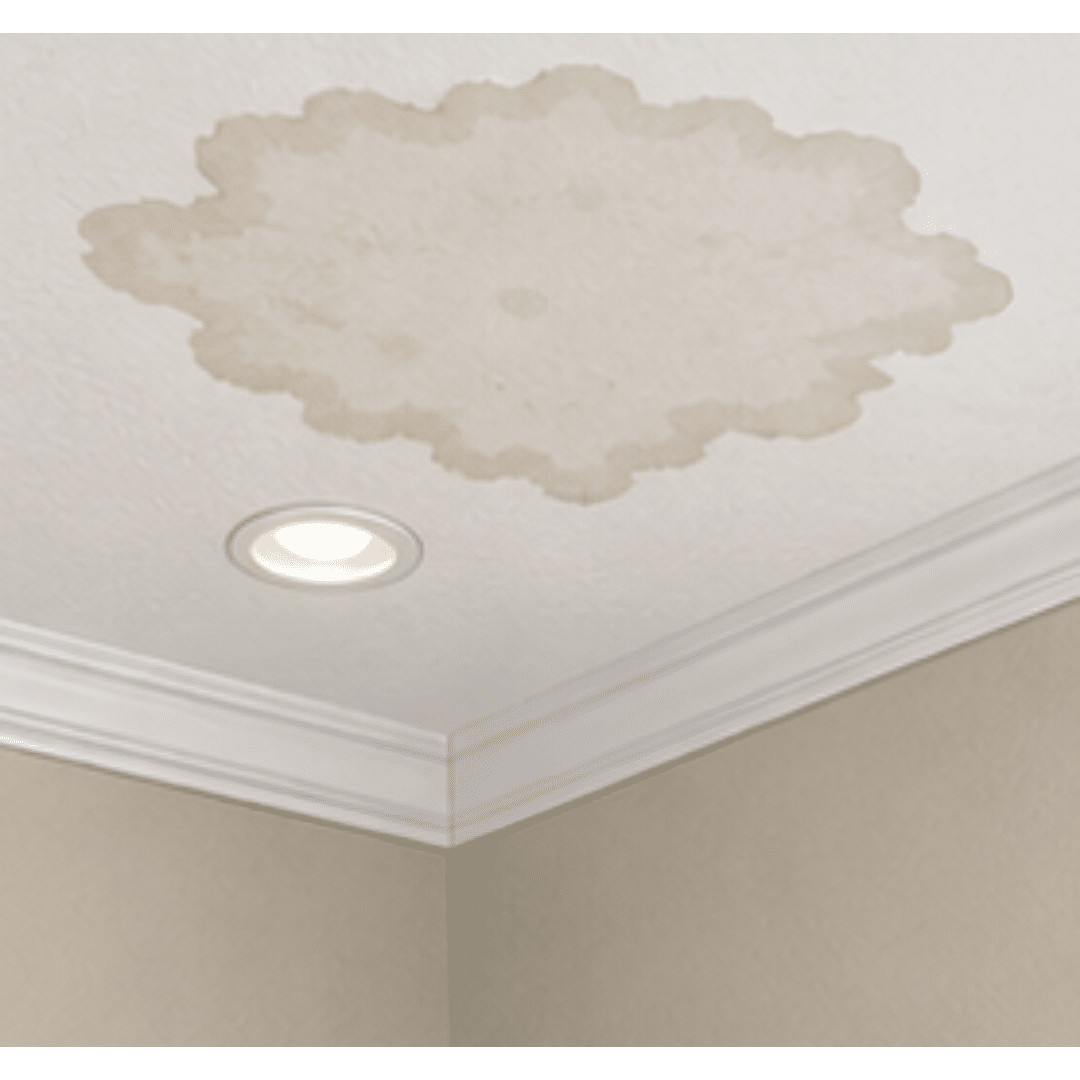
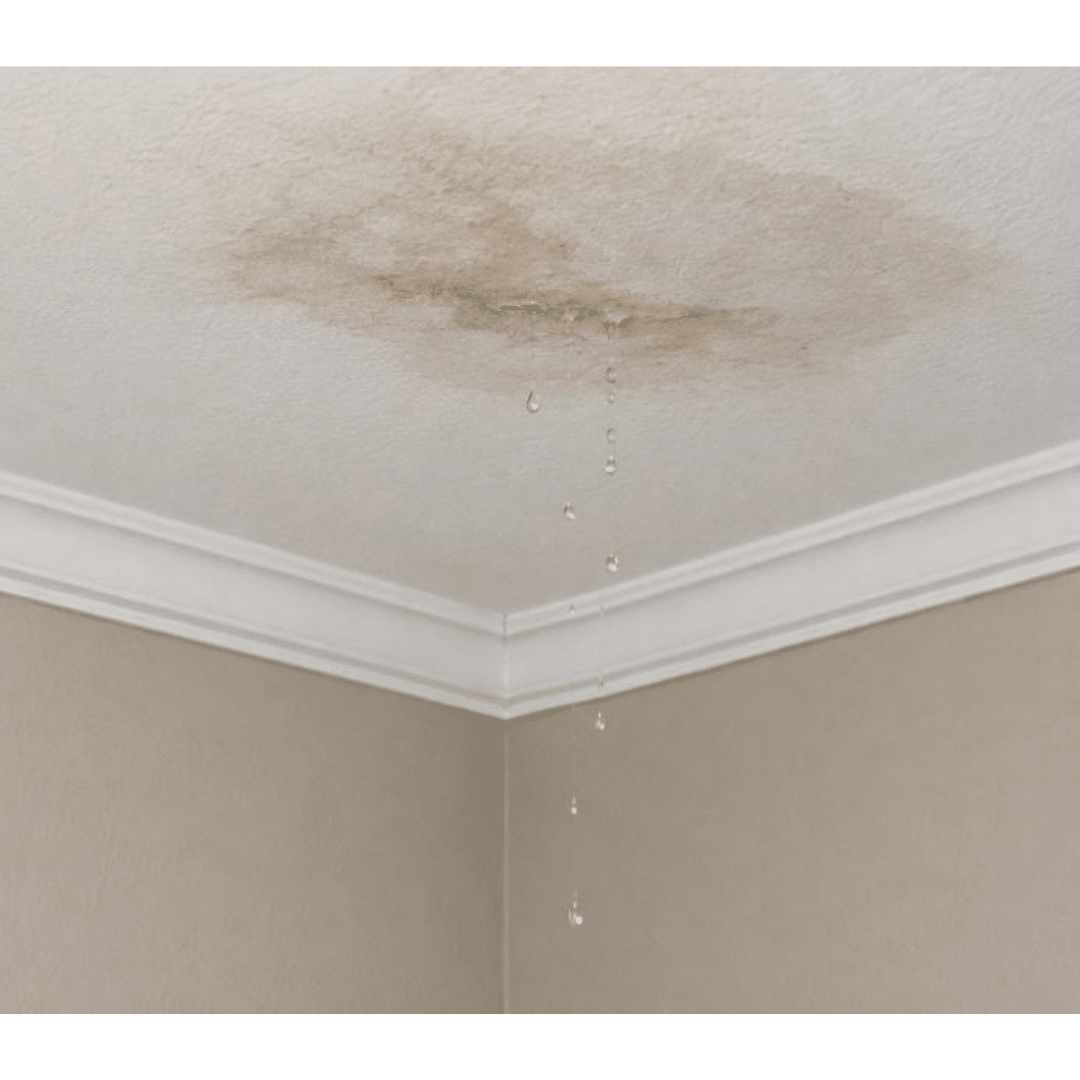
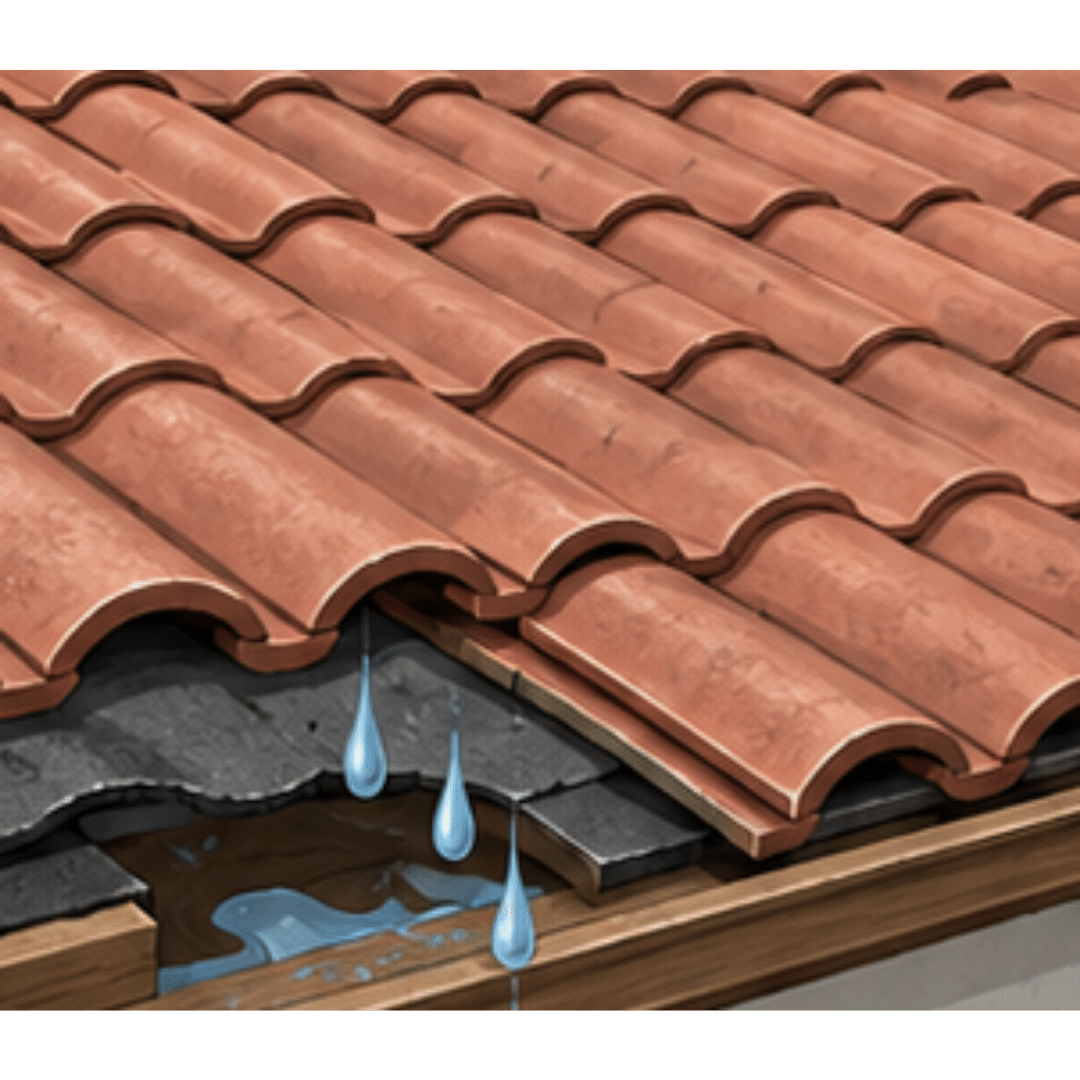
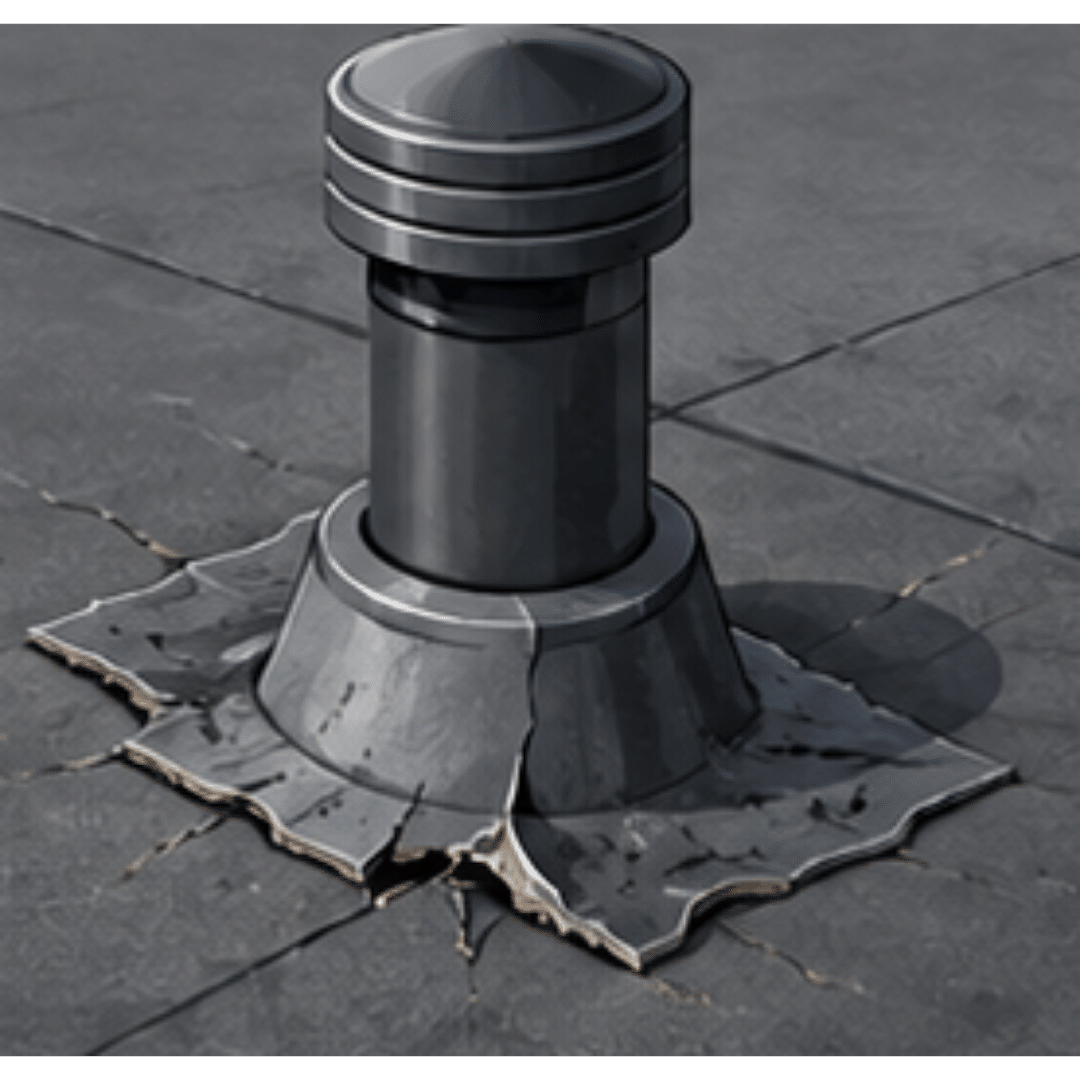
A single issue may be repairable. Several issues across different areas of the roof may indicate the system is moving closer to replacement.
When Repair Still Makes Sense — and When It May Only Buy Time
A repair can be the right decision when the problem is isolated and the rest of the roof is still performing well.
For example, replacing a damaged shingle area, repairing a small foam issue, correcting a flashing problem, or addressing a limited leak may be reasonable when the surrounding roof still has usable life.
But repairs become harder to justify when problems are happening in multiple areas or when the material around the repair is already near the end of its life.
That does not always mean a homeowner must replace the roof immediately. Budget, timing, and long-term plans for the home all matter. In some situations, a repair may be used to buy time while the homeowner prepares for a larger project.
The important thing is understanding the difference between a repair that is expected to solve an isolated problem and a repair that is mainly delaying a larger need.
[Read article Roof Repair vs Replacement in Phoenix]
Questions to Ask About How Much Life Your Roof Has Left
When a roofer evaluates your roof, do not settle for a number of years without an explanation. Ask how they reached that estimate.
Useful questions include:
|
Question |
What It Helps You Understand |
|
What specific signs show the roof is aging? |
Whether the estimate is supported by actual findings |
|
Is the problem isolated or showing up across the roof? |
Whether repair is likely to be enough |
|
What part of the roof system matters most right now? |
Whether the visible material or a hidden layer is the concern |
|
Were you able to fully inspect the area that determines remaining life? |
Whether the assessment has access limitations |
|
Would a repair extend useful life or mostly buy time? |
Whether the cost makes financial sense |
|
What should I start budgeting or planning for? |
Whether larger work may be approaching |
|
What records would help improve this estimate? |
Whether material or installation information can clarify the timeline |
The answer should connect the recommendation to visible findings, roof history, photos, and any limitations of the inspection.
Final Takeaway: Remaining Roof Life Has to Be Evaluated, Not Guessed
The age of your roof is helpful information, but it is not the answer by itself.
On a shingle roof, granule loss, curling, and missing material may show that the roof is wearing down. On a foam or flat roof, surface cracking, coating wear, and drainage issues may tell the story. On a tile roof, the visible tiles may reveal very little about the underlayment beneath them.
In Phoenix, strong materials and strong installation both matter. Heat, sun exposure, storms, repairs, and maintenance can all affect how long a roof continues to protect the home.
The goal is not to give homeowners a guess based on age alone. It is to inspect the roof, explain what is wearing out, and help you understand whether the next step is maintenance, repair, planning for replacement, or addressing a problem now.
What to Do Next
If you are wondering how much life your roof has left, begin with an inspection.
Bring any information you have about the roof’s age, materials, coating history, underlayment, past repairs, or warranties. The more that is known about the roof, the more useful the conversation can be.
After the inspection, you should understand what condition the roof is in, what signs support that assessment, and what timeline makes sense for your home.