Jeff Nickerson, Technical Roofing Consultant
Last Updated: June 26th, 2026
The Quick Answer
A proper roof inspection should help you understand the actual condition of your roof, whether any problems are isolated or widespread, and what repair or replacement paths are realistic.
It usually includes a conversation about your roof’s history, a review of your concerns, a physical inspection when the roof can be accessed safely, photos or documentation of important findings, and a plain-language review of what the roofer found.
For Phoenix homes, the inspection may include checking tile underlayment, foam roof coating, flat roof drainage, flashing, valleys, penetrations, storm damage, previous repairs, and signs of heat-related wear. In some cases, access, roof pitch, fragile materials, or safety concerns may limit what can be physically inspected.
The goal is not to scare you or push you into the biggest project possible. The goal is to give you enough information to understand what is happening and decide what to do next.
What a Roof Inspection Is Really For
Most homeowners do not schedule a roof inspection because they are excited about roofing.
They usually schedule one because they are concerned. Maybe they saw a ceiling stain, noticed broken tiles or missing shingles, found granules near a downspout, saw cracks in foam coating, or simply know the roof is getting older.
A roof inspection should answer three basic questions:
| Question | Why It Matters |
|---|---|
| What condition is the roof actually in? | You need to know whether there is real damage, normal aging, or a developing problem |
| Is anything urgent? | Not every roof issue needs immediate work |
| What are the realistic choices? | The answer may be repair, maintenance, partial replacement, restoration, monitoring, or full replacement |
Not every roof needs to be replaced. The inspection should separate minor issues from serious problems and explain the difference clearly. It should also give the roofer context, because the same visible issue can mean different things depending on the roof type, roof age, leak history, previous repairs, and what the homeowner is trying to understand.
The Inspection Starts with a Conversation
Before anyone climbs onto the roof, the inspector should ask questions.
This is not just small talk. The conversation helps identify what the homeowner wants from the inspection. Some homeowners need the source of an active leak. Others want to know whether the roof is near the end of its life. Some want an overall condition review before deciding whether to repair, replace, or monitor the roof.
Common questions may include:
| Question | Why It Matters |
|---|---|
| What are you hoping to learn from this inspection? | A leak diagnosis is different from a general condition review |
| How old is the roof? | Age helps set expectations for wear and remaining life |
| Have you had leaks before? | Past leaks can point to recurring weak areas |
| Where have you noticed the issue inside the home? | Interior signs help guide the exterior inspection |
| Have repairs been done recently? | Previous repair areas may need closer review |
| Did anything happen during a recent storm? | Wind, rain, and debris can expose weak points |
If this conversation is skipped, important context can be missed. The roof’s history, the homeowner’s concerns, and what can safely be verified on the roof all shape the final recommendation.
What the Roofer Checks First: Roof Type, Access, and Safety
Once the conversation is complete, the roofer needs to identify the roof system and determine how safely it can be inspected.
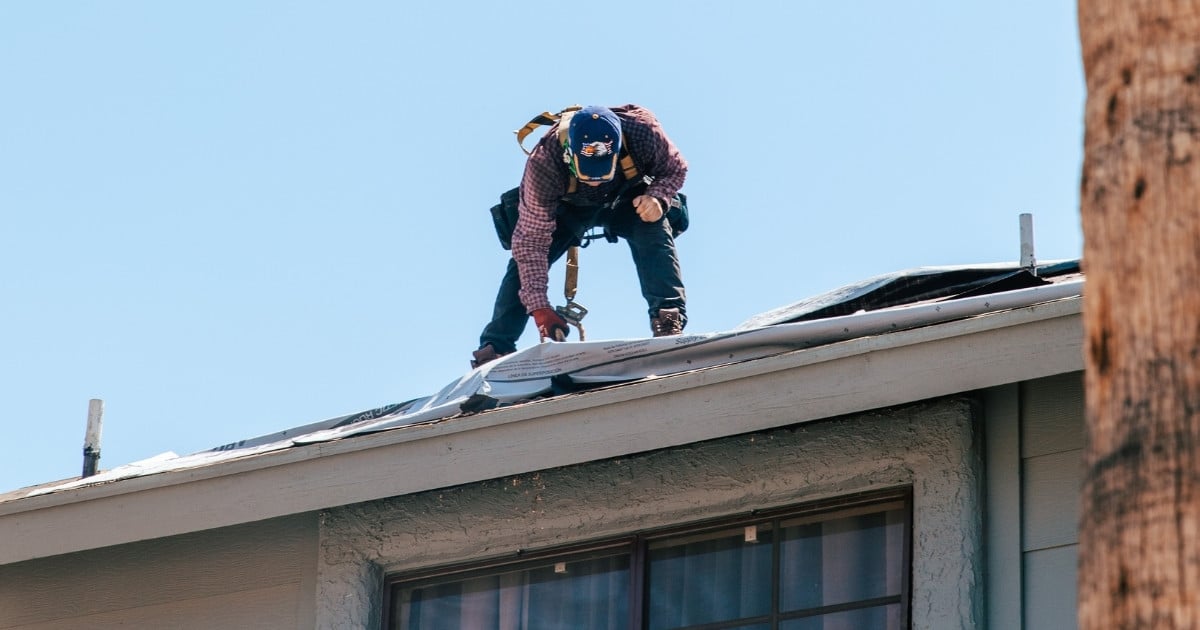
This step matters because not every roof can be inspected the same way. A flat roof is usually easier to walk and inspect closely. A steep roof may create fall hazards. A fragile clay or sandcast tile roof may be too easy to damage by walking on it. A metal roof may not allow the roofer to see the underlayment without removing panels, which is not normally part of a basic inspection.
Before evaluating the details, the roofer is usually asking:
- Is this roof safe to access?
- Can it be walked without damaging the roof?
- Can the underlayment or substrate be inspected?
- Are there areas that require drone photos, attic review, or a visual-only inspection?
- Is the homeowner asking for a leak diagnosis, a life-expectancy estimate, or a general condition review?
The roofer should explain what could be verified, what could not be accessed, and whether any part of the inspection was limited. A roof inspection is valuable, but it is not always the same thing as opening the roof system and seeing every hidden layer.
Why Some Roofs Can Only Be Partially Inspected
Some roof inspections are limited by safety, access, or the roofing material itself.
That does not make the inspection useless. It means the limits should be explained clearly.
For example, some clay or sandcast tile roofs are too fragile to walk without risking breakage. Some steep roofs cannot be safely walked without special equipment. Some metal roofs do not allow the roofer to lift a panel just to check what is underneath. In those cases, the inspection may rely more heavily on visual signs, drone photos, ladder access, attic access, leak history, roof age, and field experience.
A restricted inspection may include ground-level viewing, drone photos, ladder access at the roof edge, attic inspection when available, and careful review of visible flashing, transitions, slopes, valleys, and drainage areas.
Homeowners should know whether they received a full physical inspection, a visual inspection, or a restricted inspection because of roof conditions. A helpful question to ask is: “Were you able to inspect the roof fully, or were there areas you could not safely access?”
What the Roofer Looks for on the Roof
If the roof can be accessed safely, the roofer will check the surface and the areas where roof systems most commonly fail.
The exact inspection depends on the roof type, but most roof inspections focus on the visible surface, water paths, transitions, flashing, penetrations, drainage, previous repairs, and signs of aging.
| Inspection Area | What the Roofer Is Looking For |
|---|---|
| Roof surface | Broken tiles, missing shingles, cracks, blisters, worn coating, or visible damage |
| Underlayment or waterproofing layer | Aging, brittleness, exposed areas, water intrusion, or failure where it can be checked |
| Flashing | Weak points around walls, vents, skylights, chimneys, and transitions |
| Valleys and drainage areas | Places where water concentrates during storms |
| Penetrations | Pipes, vents, AC-related openings, skylights, and other roof openings |
| Previous repairs | Areas that may have failed again or were patched incorrectly |
| Flat roof details | Ponding water, scuppers, drains, seams, coating condition, and parapet walls |
| Interior signs | Ceiling stains, attic moisture, or visible water paths |
| Roof age and repair history | Previous work, maintenance patterns, and expected remaining life |
Many roof problems start in predictable places, especially around flashing, penetrations, valleys, walls, drains, roof transitions, and old repairs. A quick glance from the ground is not the same as a roof inspection, but an experienced roofer may still be able to spot obvious problems from the ground when access is limited.
Depending on the roof type, an inspection may include:
| INSPECTION AREA | WHAT THE ROOFER IS LOOKING FOR | |
|---|---|---|
| Roof Surface |
|
|
| Underlayment |
|
|
| Flashing |
|
|
| Valleys and Drainage Areas |
|
|
| Penetrations |
|
|
| Flat Roof Details |
|
|
| Interior Signs |
|
|
| Roof Age and Repair History |
|
|


How the Inspection Changes by Roof Type
A roof inspection should not be identical for every roof.
Tile, foam, shingle, metal, and flat roof systems age differently. The inspector should understand what problems are common for each system and where hidden issues are likely to appear.
Tile Roofs
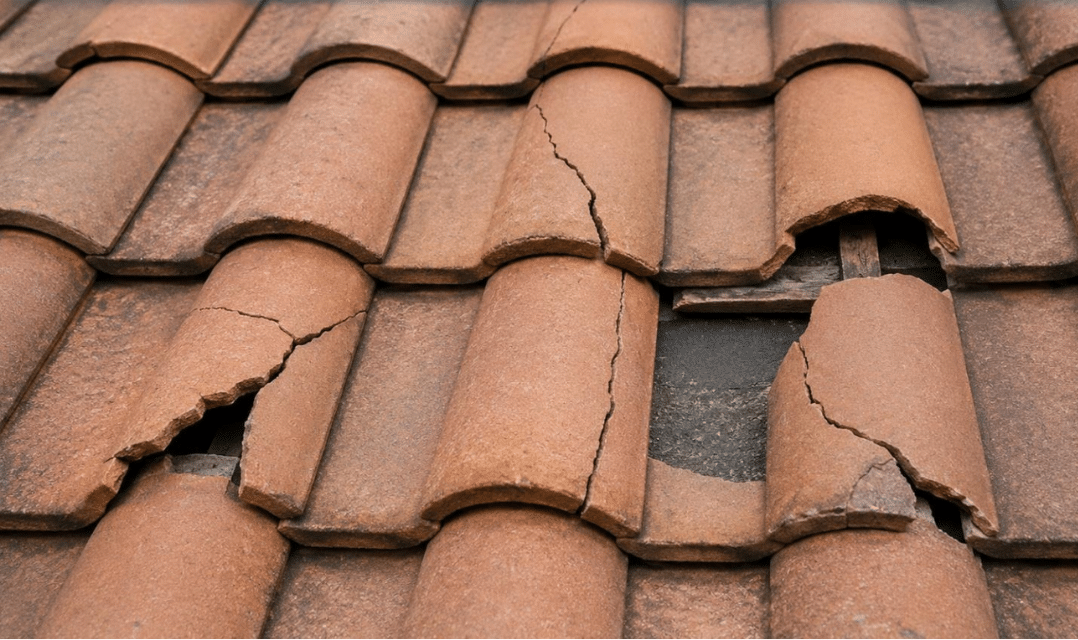
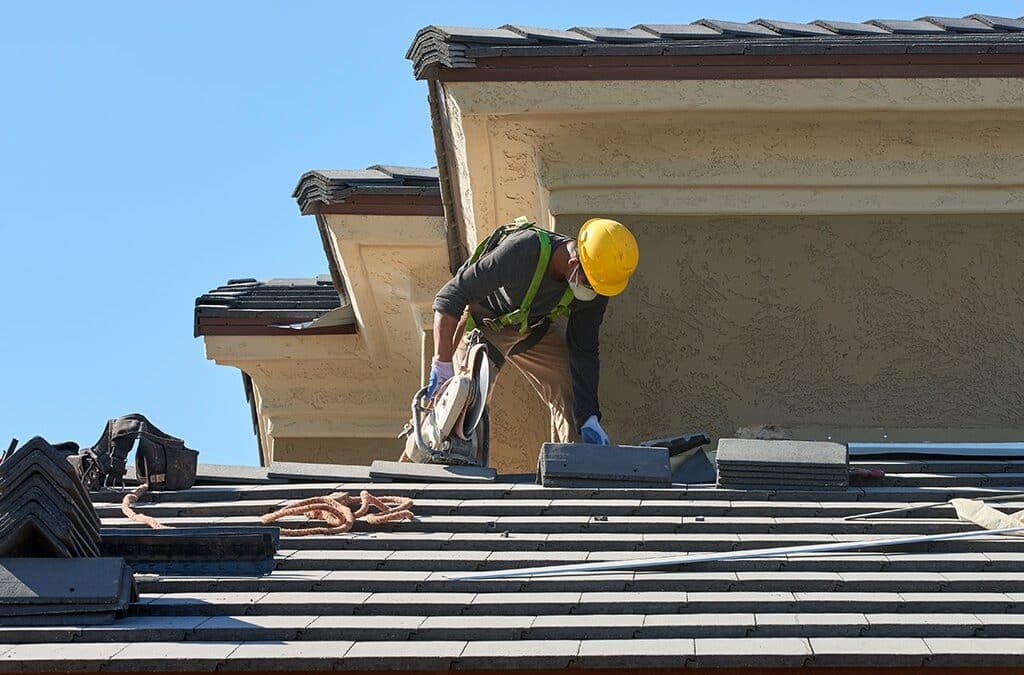
On a tile roof, the roofer may look for broken tiles, slipped tiles, cracked mortar, debris in valleys, flashing problems, and signs that the underlayment may be aging.
The underlayment is especially important because the tile itself is not usually the main waterproofing layer. The tile protects the roof, but the underlayment beneath it is what keeps water out of the home.
When possible, a roofer may lift or remove selected tiles to check the underlayment. But that is not always possible. Some clay, sandcast, or older tile roofs are too fragile to walk or disturb safely. In those cases, the inspection may rely more on visual clues, roof age, leak history, interior signs, and experience.
A tile roof can look fine from the street while the underlayment underneath is brittle, exposed, or failing. That is why the review should explain not only what was seen, but also what could not be confirmed.
Foam and Flat Roofs
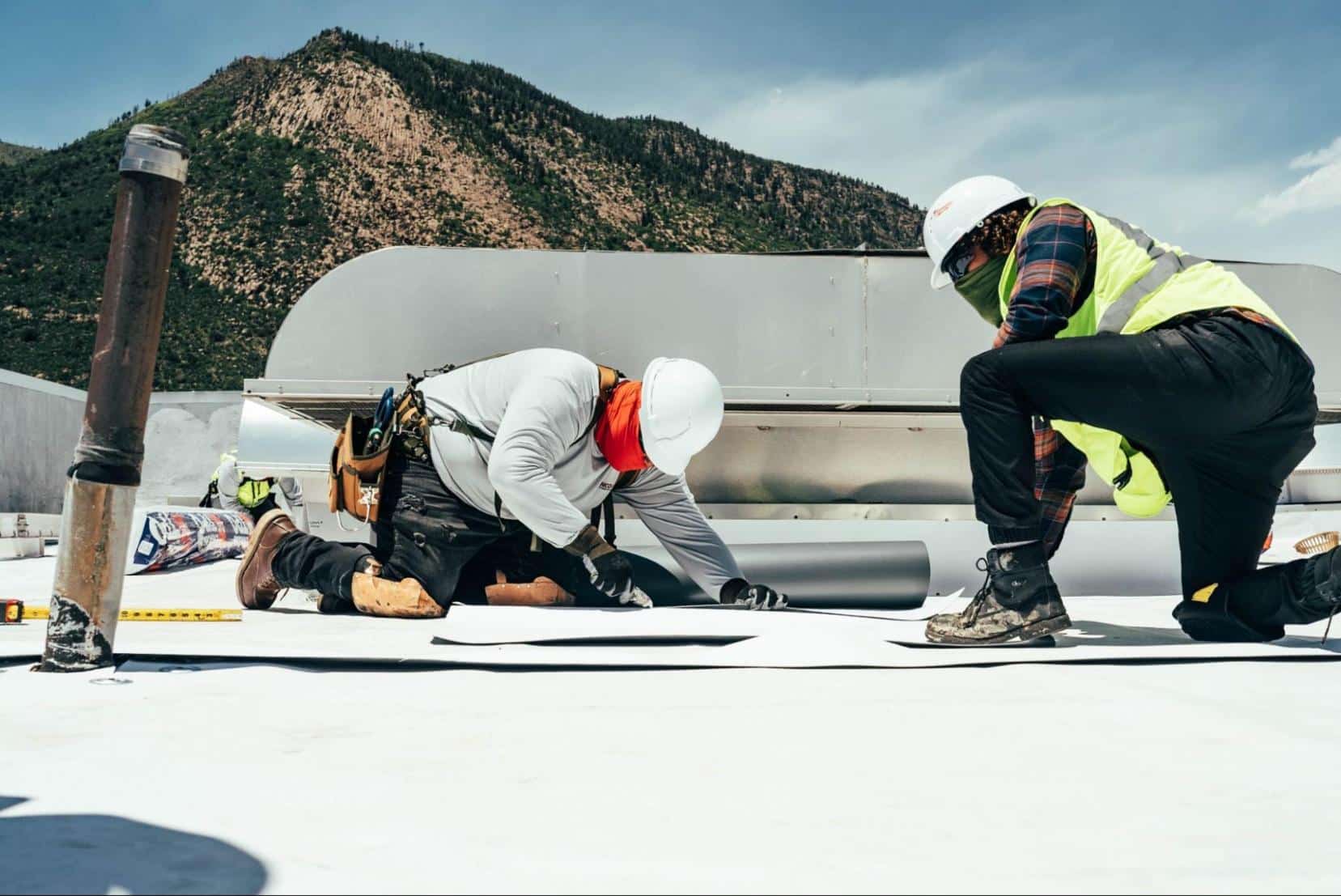
Foam and flat roofs are often easier to physically inspect because they are usually walkable and have less fall risk than steep-slope roofs.
On foam and flat roofs, the roofer will usually focus on coating condition, cracks, blisters, exposed foam, ponding water, drainage, scuppers, drains, parapet walls, AC units, seams, and penetrations.
Flat roofs may also allow for a more detailed look below the surface. In some cases, with the owner’s permission, a roofer may take a core sample. That means cutting or drilling a small section to pull up a plug and identify the roof layers below the top surface.
Core samples are not always needed, and not every property owner wants one done. But on certain flat roofs, they can help determine what roof systems are underneath, whether there are multiple layers, and what kind of repair or replacement approach may be needed.
Standing water also matters on flat and low-slope roofs. Water does not shed the same way it does on a sloped roof, so ponding can accelerate coating wear, expose weak points, and increase future leak risk.
Shingle Roofs
On a shingle roof, the roofer may look for missing shingles, curling, cracking, lifted edges, granule loss, exposed fasteners, brittle shingles, and problems around vents or flashing.
Phoenix heat and UV exposure can dry out shingles and shorten their useful life. Older shingles can also become harder to repair because the surrounding material may crack or break when disturbed.
On shingle roofs, the visible surface often tells a lot about the roof’s condition. Granule loss, brittleness, curling, and repeated repairs can all help determine whether repair still makes sense or whether the roof is nearing the end of its useful life.
Metal Roofs
On a metal roof, the roofer may check seams, fasteners, panels, flashing, coating condition, transitions, expansion movement, and penetrations.
Metal roofs can last a long time, but details matter. Loose fasteners, failed seams, damaged coating, or poor transitions can create leak problems.
Metal roofs can also be harder to inspect beneath the surface because the panels usually are not removed during a standard inspection. If the issue may be related to underlayment or hidden conditions below the metal, the roofer may need to rely on visible signs, leak history, attic access, and experience unless a more invasive inspection is approved.
When the Roofer May Check Inside the Home
If there are interior warning signs, the inspection may also include checking inside the home or attic.
This is especially important when the homeowner has noticed ceiling stains, moisture, odors, soft drywall, or signs of a leak.
Interior signs may include ceiling stains, damp insulation, attic moisture, light coming through roof areas, mold or musty odors, or visible water paths.
A ceiling stain does not always show where water entered the roof. It only shows where water finally appeared. Water can travel along decking, framing, insulation, or underlayment before it becomes visible inside the home.
This is why checking only the outside may not tell the full story when there are active interior signs. In some inspections, attic or interior evidence becomes especially useful because the roof surface cannot be safely walked, lifted, or fully opened.
What Photos and Visual Inspection Can’t Always Show
Photos are useful, but they are not the entire inspection.
A roof can look bad and still not be leaking. A roof can also look fairly normal and still have a leak that is difficult to trace. Sometimes a roof looks so worn that it is surprising the homeowner does not have active leaks. Other times, a roof may look mostly fine from the surface, but water is still finding a path inside.
That is why inspection is not just about taking pictures. It is about interpreting what the pictures mean in context.
A roof that looks rough may still be watertight because it was originally installed well with quality materials. Another roof may have a small detail failure that causes leaks even though the broad surface looks acceptable.
Underlayment problems are among the harder issues to identify when the roofer cannot physically see the underlayment. If the roof system cannot be opened, lifted, walked, or safely accessed, the roofer may have to rely on age, symptoms, leak history, visible flashing details, attic evidence, and experience.
The review should make a clear distinction between what was confirmed, what is suspected, and what could not be verified.
Why Photos and Clear Explanations Still Matter
Even though photos do not show everything, they are still one of the most useful parts of a roof inspection.
A homeowner should not have to rely only on a verbal opinion. Photos or video should be included whenever possible, especially when the roofer is recommending repair, restoration, partial replacement, or full replacement.
Photos help show the exact problem area, the severity of the issue, the roof type, the location of the finding, previous repair areas, and any hard-to-see damage the roofer is trying to explain.
The explanation matters just as much as the photo. By the end of the review, you should understand what was found, why it matters, what needs attention now, and what choices are realistic. If part of the roof could not be fully inspected because of access, safety, or fragile materials, that limitation should also be explained.
What the Findings Should Tell You
At the end of the inspection, you should understand more than a list of problems. You should understand what the findings mean.
The findings should separate urgent issues from normal wear, minor maintenance, and larger roof-system concerns.
| Finding | What It May Mean |
|---|---|
| The issue is isolated | A repair may be enough |
| The issue is widespread | Larger work may be needed |
| The roof is aging but not failing | Maintenance or monitoring may make sense |
| Water is getting past the waterproofing layer | The visible surface may not tell the whole story |
| Multiple weak points are present | Future leak risk may be higher |
| The roof is near the end of its life | Repair may only buy time |
| The inspection was restricted | Some areas could not be safely accessed or confirmed |
Not everything found during an inspection is urgent. By the end of the review, homeowners should know what needs attention now, what should be watched over time, and what is simply normal roof aging. That distinction makes it easier to decide whether repair, maintenance, monitoring, or replacement actually makes sense.
[Read article: Roof Repair vs Replacement in Phoenix]
What Options You Should Hear After the Inspection
Depending on what the inspection shows, the recommendation may include a small repair, a larger repair, partial replacement, roof restoration, maintenance, monitoring, or full replacement.
The recommendation should match the condition of the roof, not a one-size-fits-all sales pitch.
A repair may be the right decision if the issue is isolated and the surrounding roof is healthy. A partial replacement may make sense if one section or slope is failing but the rest of the roof still has life left. A restoration or recoat may work on some foam or flat roofs if the system is still a good candidate. Full replacement may make sense when the roof is failing broadly or repairs no longer make financial sense.
The difference should be explained with evidence, not pressure.
What a Roof Inspection Should Not Feel Like
A roof inspection should not feel rushed, vague, or high-pressure.
Be cautious if the inspector immediately recommends full replacement without explaining what was found, cannot show photos, avoids questions, treats every issue as urgent, or pressures you to sign before you understand the recommendation.
It is also fair to ask whether the inspection was complete or restricted. If a roofer could not safely walk the roof, lift tile, access the attic, or inspect the underlayment, that should be stated clearly.
A restricted inspection is not automatically a problem. Failing to explain the limitation is the problem.
It is completely reasonable to ask questions. In some situations, it is also reasonable to get a second opinion, especially if the recommendation is expensive or the explanation does not make sense.
Should You Be Home for the Roof Inspection?
It is absolutely essential for decision makers to be home for the inspection if they can.
They do not need to follow the roofer onto the roof, but being available allows you to explain concerns, answer questions, review photos, and understand the recommendation more clearly.
Being present can help you understand what the roofer is seeing, where the problem is located, whether the issue is urgent, what options exist, and what to watch for later.
How Long Does a Roof Inspection Take?
Most roof inspections take about 30 to 60 minutes, depending on roof size, roof type, access, complexity, and whether interior areas need to be checked.
A simple roof with one clear concern may take less time. A larger roof, tile roof, foam roof, active leak, or roof with multiple previous repairs may take longer.
A visual-only inspection may be shorter, while a more involved inspection that includes attic review, flat roof core sampling, or detailed leak tracing may take longer.
The inspection should not feel rushed. If the roofer is making a major recommendation after only a quick glance, it is fair to ask what was checked and why that work is being recommended.
Final Takeaway: A Roof Inspection Should Give You Clarity
A roof inspection should leave you with a practical understanding of what is happening with your roof.
You should know what is fine, what needs attention, what can wait, what could not be fully inspected, and which recommendations are based on confirmed findings versus reasonable judgment. You should also understand why repair, maintenance, restoration, partial replacement, or full replacement is being recommended.
The goal is not to overwhelm you with roofing terms or pressure you into a decision. The goal is to help you make the right decision for your roof, your home, and your budget.
What to Do Next
If you are scheduling a roof inspection, go into it prepared to ask questions. Ask what was found, where the issue is located, whether it is isolated or widespread, whether any areas could not be safely inspected, and what repair or replacement paths are available.
Those questions should be part of the conversation. The more clearly the findings are explained, the easier it is to make a confident decision.