January may bring cool mornings and mild afternoons to Phoenix, but it is also one of the most important months for roof maintenance. After a year of intense heat, fall storms, dust, monsoon moisture, and rooftop expansion and contraction, your roof needs a mid-winter checkup.
For homeowners looking to stay ahead of costly repairs, a roof inspection in Phoenix at the start of the year is one of the smartest investments you can make.
Whether your home has tile, shingle, flat, or foam roofing, winter offers the perfect conditions for safe inspections, early detection of problems, and scheduling any needed repairs before the busy season arrives.
This 2026 guide walks you through the six things every Phoenix homeowner should check on their roof in January.
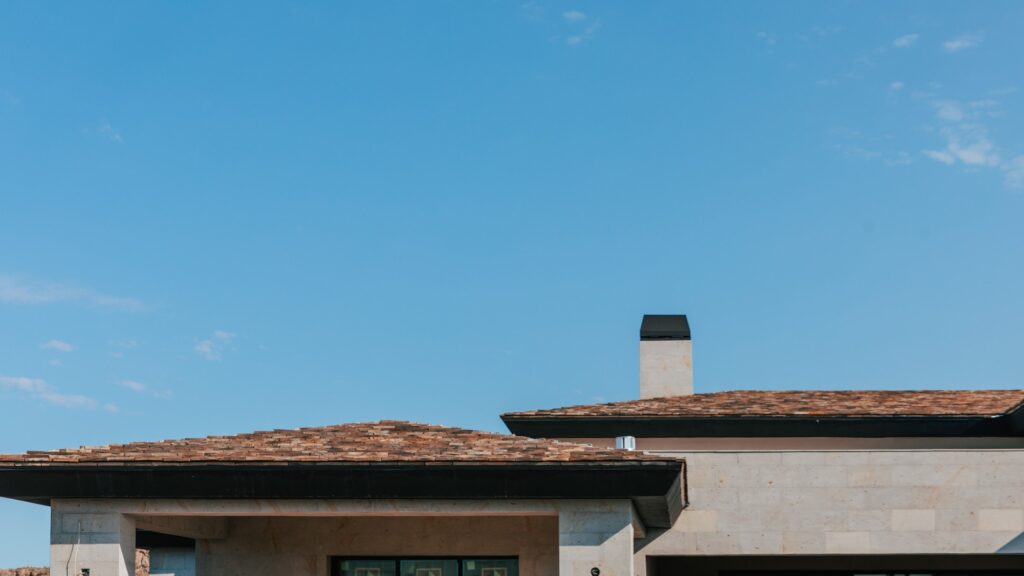
1. Check for Loose, Cracked, or Slipped Tiles
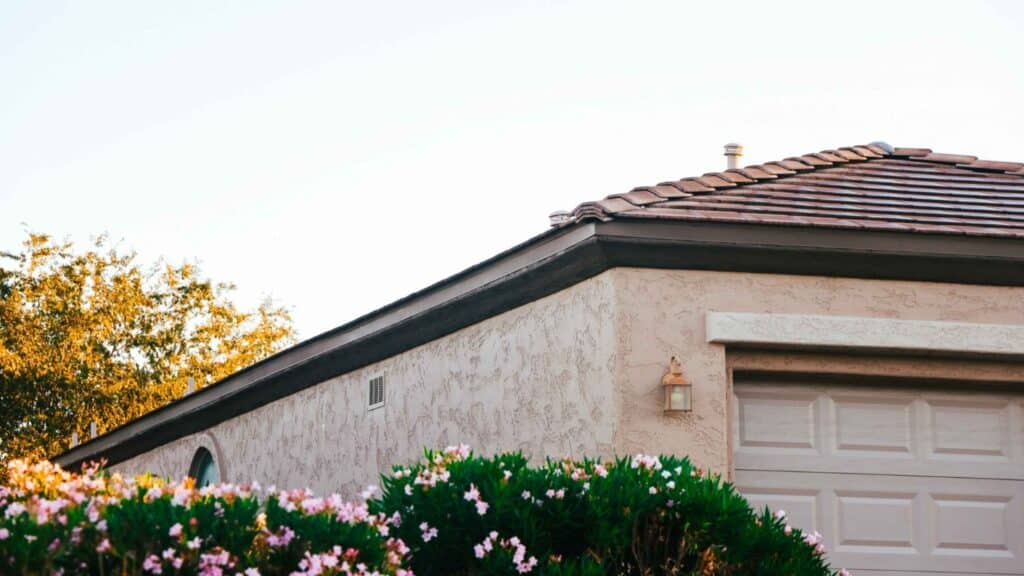
Tile roofs are extremely common across Phoenix, Scottsdale, Tempe, and the East Valley. While tile roofing is durable, the pieces themselves are not waterproof. Instead, the underlayment beneath the tiles is what protects your home from leaks.
January is the ideal month to check:
- Tiles that have slipped out of place
- Tiles broken from wind or foot traffic
- Cracks caused by thermal expansion
- Missing ridge or field tiles
- Exposed underlayment
Cooler temperatures make it safer and more comfortable for roofers to walk on tile, helping reduce the risk of unnecessary breakage. Even a few displaced tiles can expose vulnerable underlayment, eventually leading to interior ceiling stains or mold.
If you spot tile alignment issues or cracked pieces, schedule an inspection with a licensed Phoenix roofing contractor like RENCO Roofing.
Schedule Your Inspection At No Cost
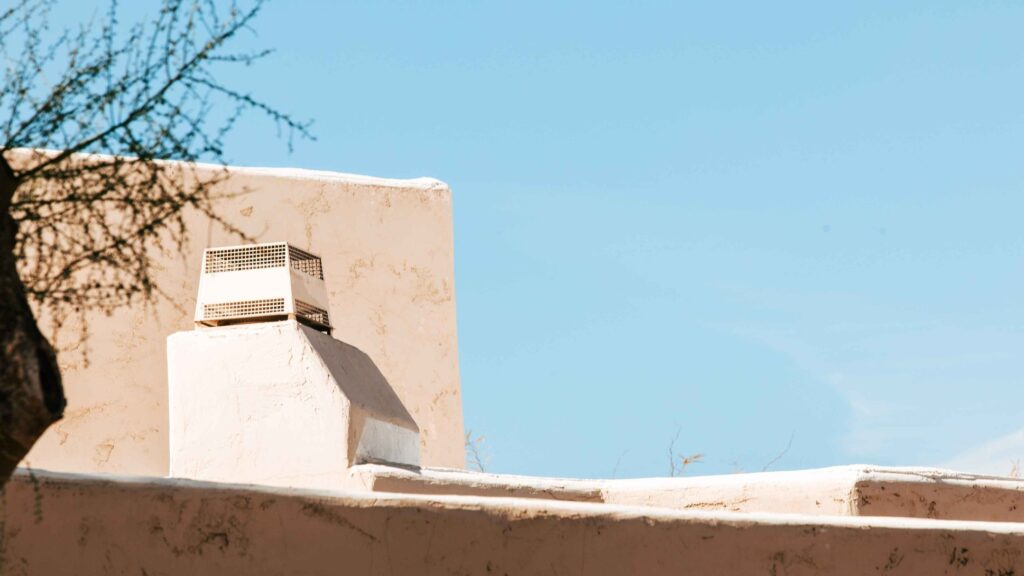
2. Inspect Flashing Around Vents, Chimneys, and Skylights
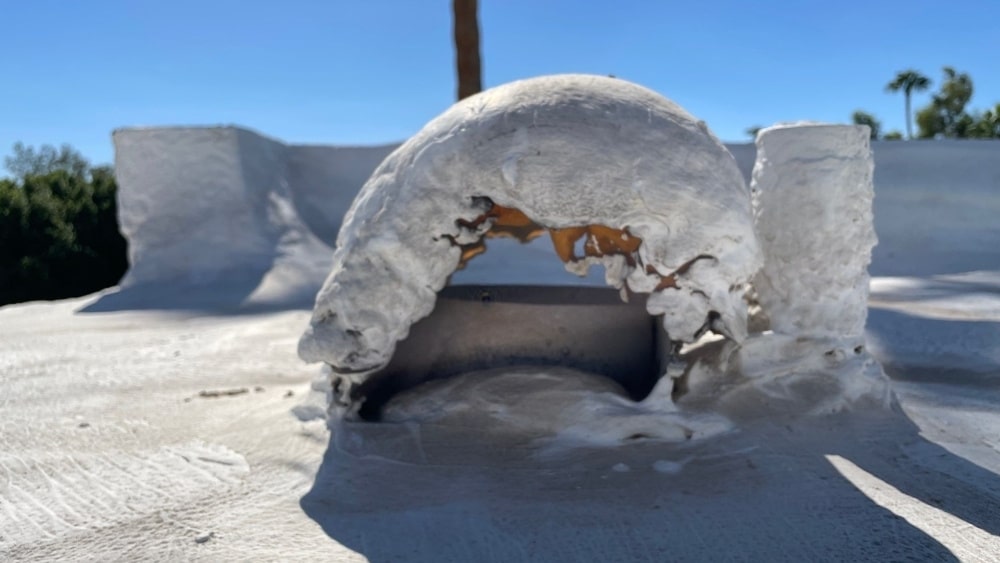
Flashing is one of the most common leak points in Arizona homes. Winter weather, fallen debris, and UV exposure can cause sealants to dry out, metal flashing to separate, or moisture to enter seams.
During your January inspection, pay close attention to:
- HVAC penetrations
- Skylight curbs
- Chimney flashing
- Satellite dish mounting points
- Roof-to-wall transitions
If you’re not sure what normal flashing should look like, a professional inspection can identify vulnerabilities quickly. Catching flashing problems early prevents much larger water damage later.
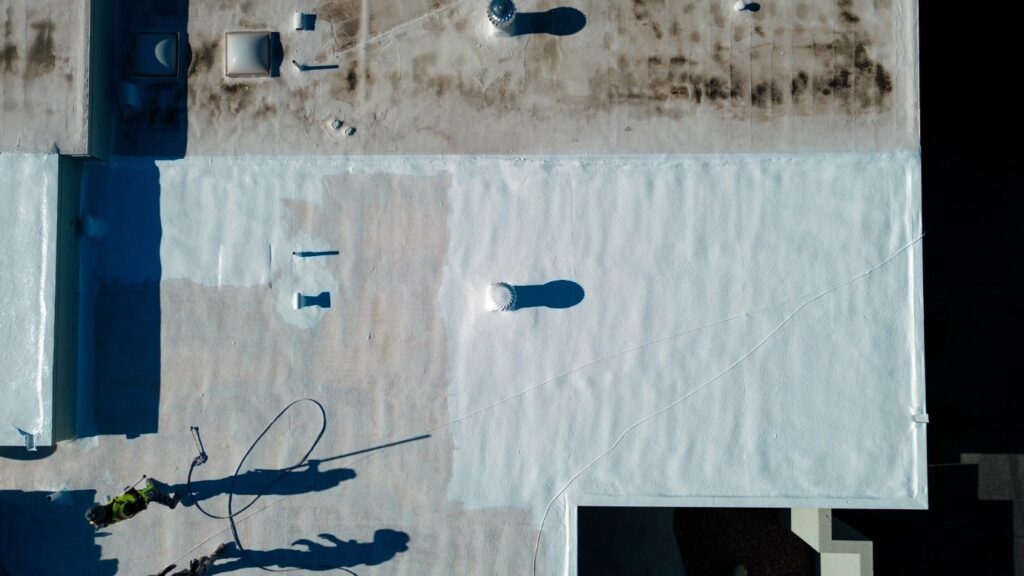
3. Look for Ponding Water or Drainage Issues on Flat or Foam Roofs
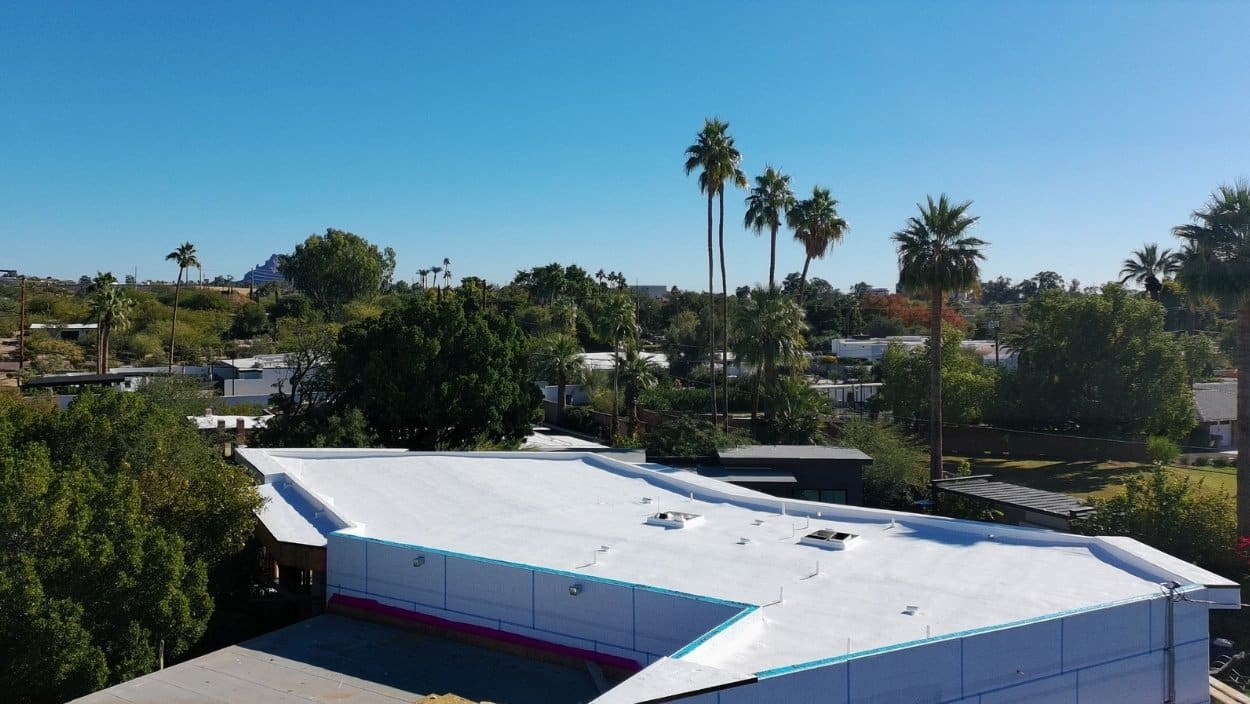
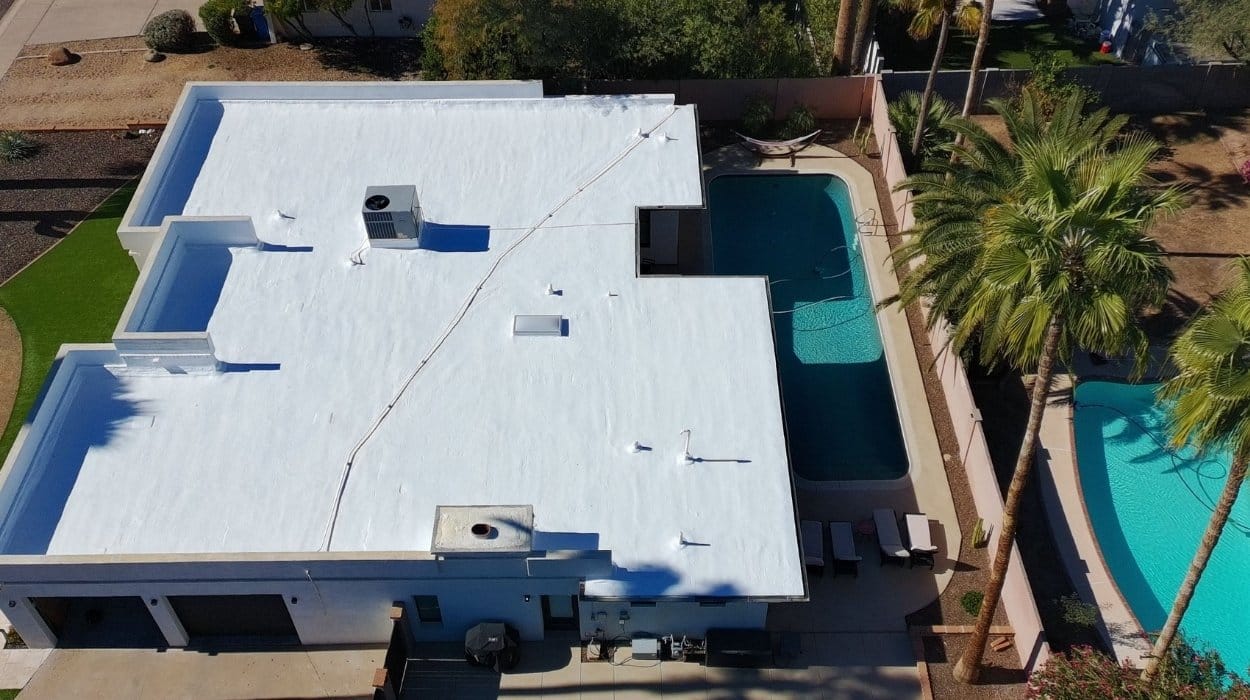
Flat and foam roofing systems are extremely popular throughout Phoenix for their insulation value and energy efficiency. But drainage issues can cause:
- Ponding water
- Premature membrane damage
- Coating deterioration
- Extra structural loading on your roof.
January is an especially important time to look for ponding from fall storms or debris clogging scuppers and drains. Learn more in our guide: Caring for Your Foam Roof!
A professional foam roof inspection can ensure your coating is intact, your slope is performing correctly, and your roof is ready for the hotter months ahead.
Schedule a Foam Roof Inspection
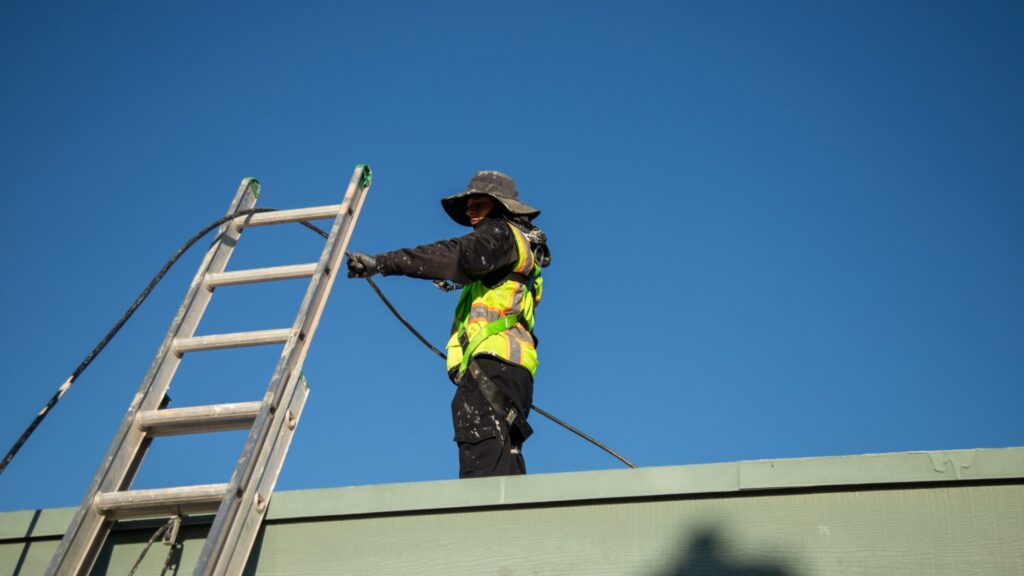
4. Examine Roof Coating or Underlayment for UV Wear
Phoenix roofs take an extreme beating from UV exposure. Over time, this causes:
- Underlayment dry rot on tile roofs (especially where tiles have shifted or underlayment is exposed)
- Shingle granule loss
- Foam coating deterioration
- Cracked acrylic or elastomeric coatings
January is the ideal time to assess coating condition before summer UV returns with force.
If you see chalky residue, thinning areas, or discoloration, it’s likely time to recoat or perform preventive maintenance. A refreshed roof coating can extend the life of your roof by years and improve energy efficiency.
5. Clean Gutters, Scuppers, and Roof Valleys
Arizona may not have heavy foliage like other parts of the country, but dust, seedpods, and debris still collect over time. When drainage paths are blocked, water can back up under tiles, overflow onto walkways, or cause ponding on flat roofs.
In January, make sure to clear:
- Gutter channels
- Scuppers
- Drain openings
- Valley metal
- Debris around roof edges
Clear drainage reduces leak risk during the occasional winter rain and prepares your roof for spring storms.
6. Check for Indoor Warning Signs
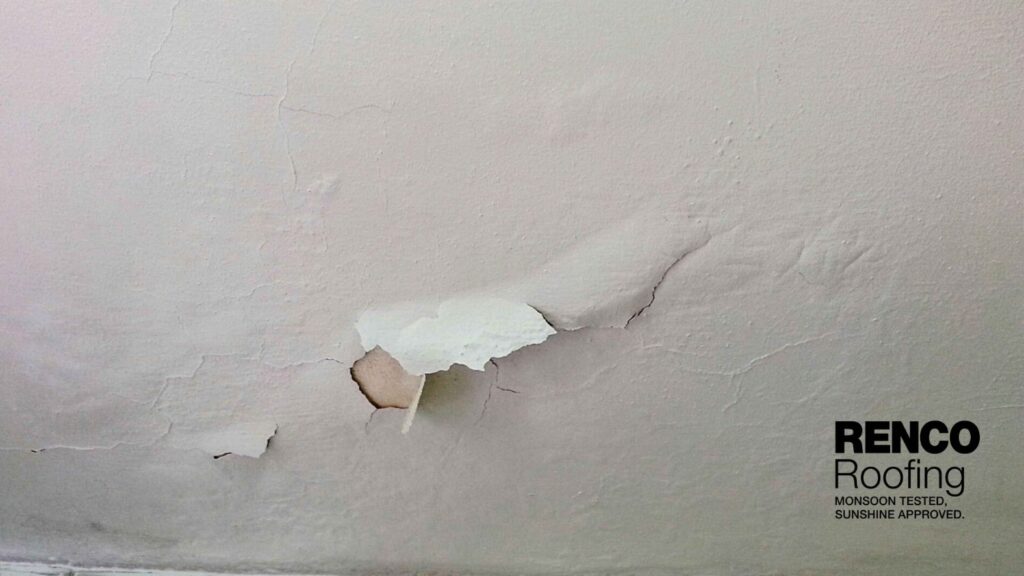
Sometimes, roof damage is easier to spot from inside the home. Look for:
- Ceiling stains
- Bubbling paint
- Musty odors
- Visible mold
- Peeling drywall tape
- Sudden changes in cooling efficiency
Even if the roof surface appears fine, indoor signs often reveal hidden moisture intrusion. January is the ideal time to catch these issues before they worsen.
Schedule An Inspection At No Cost
Schedule a Professional Roof Inspection in Phoenix
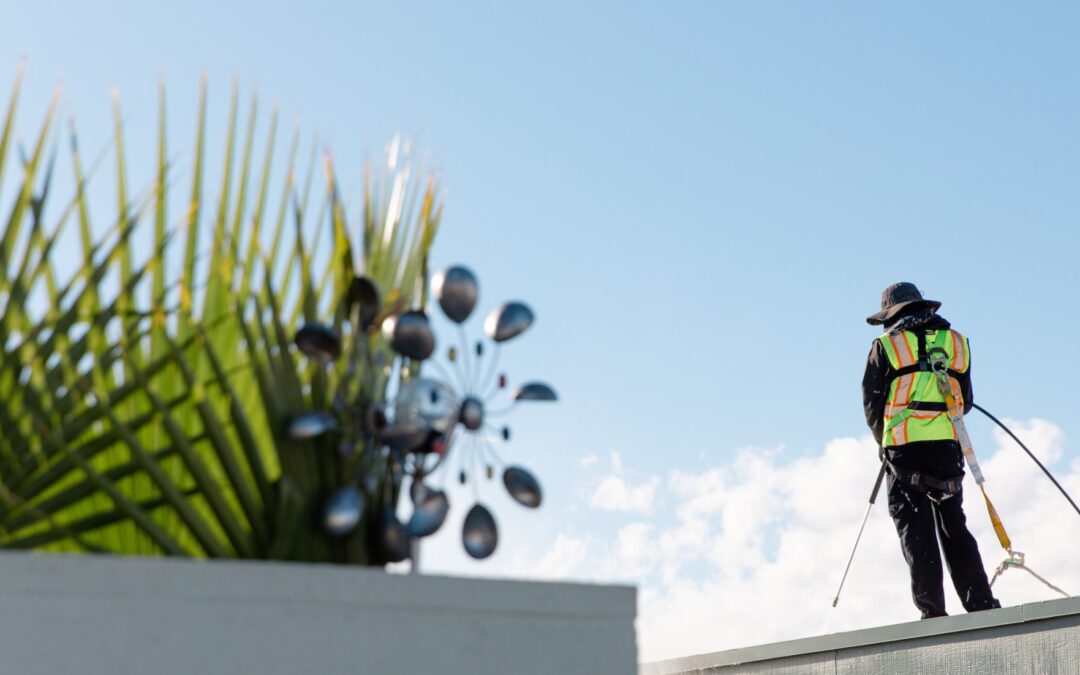
Even the most attentive homeowner won’t catch everything. A professional roof inspection Phoenix homeowners trust should include:
- Thermal imaging (when applicable)
- Full underlayment review
- Tile underlayment condition
- Flashing and penetration evaluation
- Foam coatings and membrane testing
- Detailed photo report
- Repair recommendations
Most roofing companies experience heavy demand right before monsoon season. Scheduling your inspection in January means:
- Faster appointment availability
- Early detection of roofing issues
- Lower-risk conditions for walking the roof
- Enough time to complete repairs before the heat intensifies
If your roof is older than 10 years, or if you have a tile or foam system, an annual January inspection is one of the best ways to protect your home.
Prepare for the Year Ahead
January is the perfect time to get ahead of roof issues, especially after a year of intense Arizona weather. By checking tiles, flashings, coatings, drainage, and interior warning signs, you can prevent costly repairs and extend the life of your roof. A professional inspection ensures your home is protected and ready for whatever 2026’s weather brings.
Ready to book your inspection?
Connect with the trusted Phoenix roofing specialists at RENCO Roofing and schedule your January roof inspection today.